Shay Al Shoomoos, Souq Waqif
A Qatari breakfast in Souq Waqif, cooked the way families make it at home: regag bread, balaleet, eggs with tomato and saffron tea.
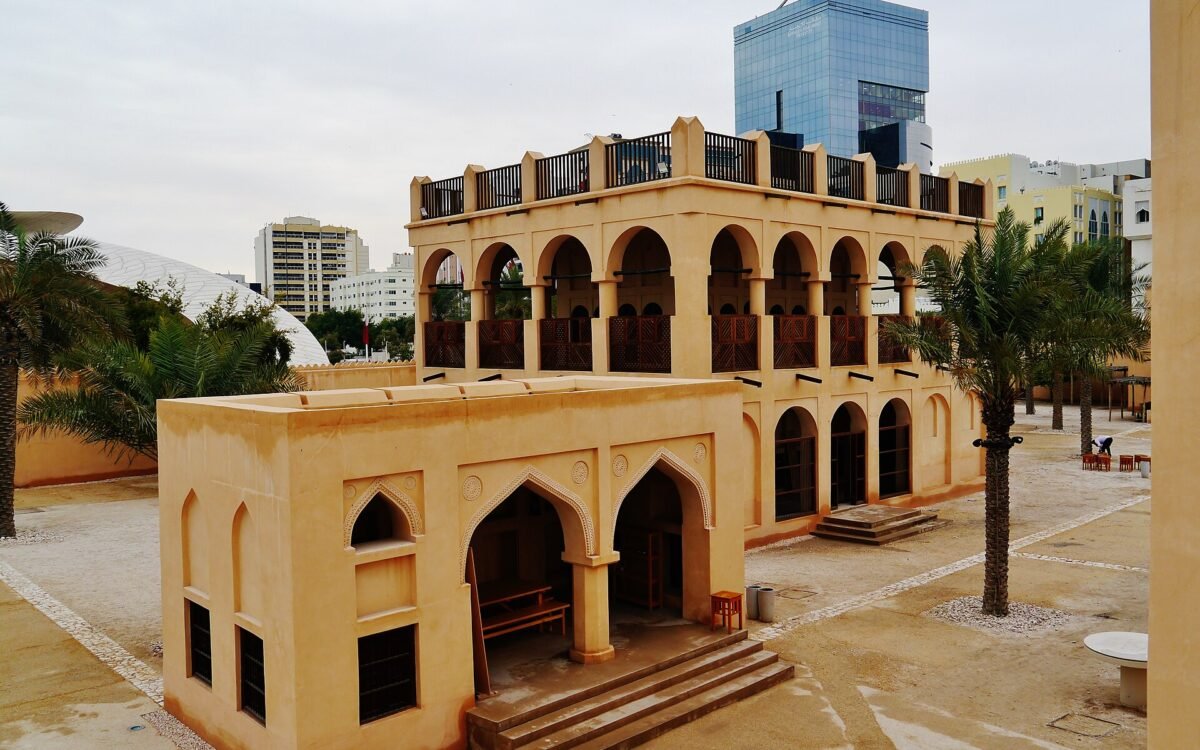
Al Bidda Hotel, Souq Waqif, central Doha
Overview
Shay Al Shoomoos is a small, busy breakfast restaurant inside Souq Waqif, run by one of the best-known women in Doha’s food scene, Shams Al Qassabi. The name means something like “Shams’s tea”, and the food is what many Qatari families would cook at home on a weekend morning: thin regag bread, eggs cooked with tomato, sweet vermicelli with saffron, beans and chickpeas, and glasses of milky tea.
It isn’t a restaurant you go to for the décor or a view. The room is simple, with plain tables and walls covered in framed photos of the politicians, footballers, royals and celebrities who have eaten here. You go because it is one of the easiest places in the city to eat a proper Qatari breakfast, cooked by people who grew up with it, at prices closer to a café than a restaurant.
It suits first-time visitors who want to taste local food without committing to a big lunch, families, early risers exploring the souq before the heat builds, and anyone curious about how Qatari home cooking differs from the Levantine and Indian food that dominates Doha’s cheaper eateries. Time Out Doha included it among the city’s best budget restaurants in its 2025 awards.
The story behind Shay Al Shoomoos
The restaurant is inseparable from the woman who runs it. In a long 2022 interview with Al Jazeera, Shams Al Qassabi described growing up as the daughter of spice merchants in Doha’s old market, spending afternoons in her father’s shop and learning to cook from her grandmother. As a young mother she lived in Dukhan for several years, where she trained cooks and sold hand-embroidered children’s clothes in Doha.
Her business began in 2001, when she spent a few hundred riyals from selling homemade preserves and spice mixes on a stall at an exhibition for Qatar’s “productive families”. The organisers suggested the name Shomous, a play on her own name, which means “sun”. A few years later, around 2004, she opened a spice shop in Souq Waqif, selling her own blends of bezar, the spice mix used in Qatari cooking. She has spoken about the resistance she met as a woman trading among male merchants, and she is often described as the first Qatari woman to open a business in the souq.
The restaurant opened in 2014 on the ground floor of a hotel in the souq. By her own account, business was so slow at first that she gave food away to porters and passers-by. That changed after Sheikha Moza bint Nasser visited during the hotel’s official opening, which brought press attention. Since then the Father Emir, Sheikh Hamad bin Khalifa Al Thani, has been reported as a regular, and the photo wall has kept growing. Her daughter has helped with social media and service at weekends.
Part of what makes the place interesting is that Shams didn’t simply reproduce old recipes. She became known for taking regag, the plain wafer-thin bread cooked on a hot dome, and filling or topping it in ways that go well beyond the traditional version. Her spice mixes are still sold, and some of her sweet regag rolls are ordered in bulk by customers from elsewhere in the Gulf.
A Qatari breakfast, briefly explained
If you have only eaten hotel buffets in Doha, a local breakfast can be confusing at first. There is no fixed “set” and no single main course. Instead, a table fills up with several small dishes that everyone shares, and bread does the work of cutlery. Regag is torn and used to scoop eggs, or eaten on its own with a sprinkle of something sweet or savoury.
The flavours lean on a handful of ingredients that you will notice again and again: saffron, cardamom, dried lime, cumin and the warm spice blend known as bezar. Sweetness turns up in places you might not expect, most famously in balaleet, where sugared noodles sit under egg. Tea is taken milky and sweet, and a breakfast often stretches into a long, sociable morning.
Ordering is easy. Staff are used to visitors, and most menu items have English names or descriptions. The simplest approach is to tell them how many people you are and ask for a mix of their most traditional dishes.
What to order
The menu changes little, but check what is available on the day and ask the staff for their recommendation. These are the dishes most associated with the restaurant in press coverage.
Regag, in several forms
Regag (also spelt rigag or ragag) is a paper-thin bread spread on a hot convex griddle and cooked in seconds. Here it comes plain with a sprinkle of za’atar, folded around egg, with minced meat, or sweet with saffron and sugar. The shoomilah, a regag “sandwich” with a filling Shams has refused to reveal to journalists, is the one regulars talk about. If you only order one thing, make it a regag.
Balaleet
Balaleet is the dish that surprises most first-timers: fine vermicelli cooked with sugar, cardamom and saffron, served with a thin omelette or scrambled egg on top. The sweet and salty combination sounds odd until you try it. It is one of the classic Qatari breakfast dishes, and this is a good place to try a version that isn’t dressed up for a hotel buffet.
Eggs with tomato
Beid tamat (or baid o tomate) is simply eggs cooked into tomatoes and onion with spices, the Gulf cousin of shakshuka. It is hearty, savoury and good for scooping up with regag. The kitchen also does other egg dishes, including scrambled eggs with mushrooms and fried eggs with spiced beans.
Beans and chickpeas
Boiled chickpeas (nakhi) and broad beans (bajilla) are everyday breakfast foods across the Gulf, usually seasoned with salt, cumin and a squeeze of lemon. They are cheap, filling and a good counterbalance if you are ordering the sweeter dishes.
Aseeda and other traditional plates
Aseeda is a soft porridge made from wheat flour, often sweetened and flavoured with saffron and ghee. Travel writers have also mentioned machboos, the spiced rice dish that is Qatar’s national meal, on the menu. Portions and availability vary, so ask on the day.
Tea and spice blends
Finish with shay haleeb, milky tea with cardamom or saffron, or a glass of Vimto, which Time Out mentions as a local favourite here. On the way out, ask about Shams’s bezar and other spice mixes, which make a better souvenir than most of what is sold in the souq’s tourist shops.
How to get there
Shay Al Shoomoos is on the ground floor of Al Bidda Hotel, one of the Souq Waqif Boutique Hotels, towards the northern, Corniche side of the market. Souq Waqif is in central Doha, about 15 to 20 minutes’ drive from West Bay or the airport outside rush hour.
- By metro: Souq Waqif station on the Gold Line is a short walk from the souq. Msheireb station, where all three lines meet, is roughly a 10 to 15 minute walk.
- By car: Souq Waqif has large paid and free car parks, including underground parking beneath the souq. On weekend evenings they fill up, but at breakfast time you rarely have trouble finding a space.
- By taxi or ride-hailing: Ask for Souq Waqif, then walk. The alleys are pedestrianised, so drivers drop you at the edge.
Inside the souq, signs and alley names can be confusing. Search for the restaurant in your maps app, or ask any shopkeeper for Shay Al Shoomoos or for Al Bidda Hotel.
Best time to visit
Come for breakfast. Weekday mornings are the calmest; Friday and Saturday mornings bring Qatari families and groups, and you may wait for a table. Time Out Doha has listed morning and evening opening sessions, with a break in the afternoon, but schedules can change, so check current hours before you go.
From October to April you can combine breakfast with a relaxed walk around the souq in comfortable temperatures. In summer, eat early and head indoors or home before late morning. During Ramadan, restaurant hours in the souq usually shift towards iftar and later evening service.
Tips for your visit
- Go early on weekends. The restaurant is small and well known, so tables go quickly on Friday and Saturday mornings.
- Order to share. Dishes are designed to be eaten together with bread. Two or three plates plus regag is plenty for two people.
- Try something sweet and something savoury. Balaleet with a plate of eggs and tomato is a good introduction to how Qatari breakfasts mix the two.
- Look at the photo wall. Spotting famous faces is half the fun while you wait, and it tells you something about the restaurant’s place in Doha life.
- Don’t expect speed at peak times. Regag is made to order, and the kitchen can get busy.
- Dress modestly. Souq Waqif is a traditional area; covered shoulders and knees are respectful.
- Carry a card and a little cash. Most places in the souq take cards, but cash is handy for small purchases and porters.
Combine it with nearby places
- Souq Waqif alleys and the Falcon Souq: After breakfast, walk through the spice and textile lanes, then visit the falcon shops and the Souq Waqif Falcon Hospital area on the eastern side of the market.
- Bandar Aden: For lunch or dinner another day, the souq’s long-running Yemeni restaurant serves mandi on floor seating. See our Bandar Aden guide.
- Museum of Islamic Art and MIA Park: About a 15-minute walk along the Corniche, MIA is one of Doha’s essential sights, and the park is lovely on a cool morning.
- Msheireb Downtown Doha: The rebuilt downtown district next door has the Msheireb Museums, four restored heritage houses that tell the story of old Doha.
- Doha Corniche: Cross Al Corniche Street for a walk by the bay and views of the dhows moored near the souq.
Frequently asked questions
What is Shay Al Shoomoos known for?
Traditional Qatari breakfast, especially regag bread in many versions, balaleet, and eggs cooked with tomato. It is also known for its founder, Shams Al Qassabi, and the wall of photos of famous guests.
Where exactly is Shay Al Shoomoos?
It is on the ground floor of Al Bidda Hotel inside Souq Waqif in central Doha, on the northern side of the souq. Search for it in a maps app or ask for Al Bidda Hotel once you are in the souq.
Is Shay Al Shoomoos expensive?
No. Time Out Doha named it among the city’s best budget restaurants in 2025. Prices are modest compared with hotel breakfasts, but check the current menu for exact prices.
What are the opening hours?
It is best known as a breakfast spot and has also been listed with evening opening. Hours can change, especially during Ramadan and public holidays, so check current hours before you go.
Is it suitable for vegetarians?
Many breakfast dishes are vegetarian, including plain and sweet regag, balaleet, beans, chickpeas and most egg dishes. Ask the staff which items contain meat.
Do I need to book?
It is generally walk-in. Arrive early on Friday and Saturday mornings if you want to avoid a wait.
Last checked October 2026. Hours, fees and access can change, so confirm with the official source before you go.
More places nearby
All places →

Run a tour, café or stay near Shay Al Shoomoos, Souq Waqif?
List your business free on Companies in Qatar, or get featured on Qatar Unseen in front of people planning their trip.