 Beaches & Islands
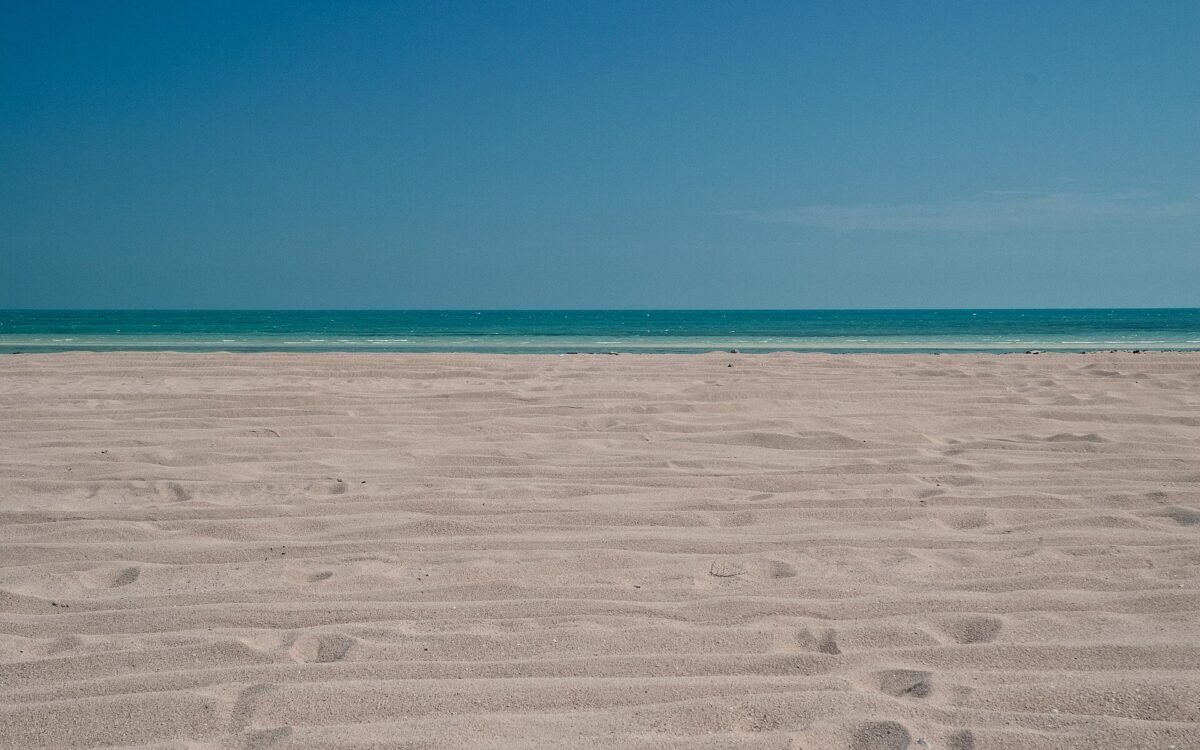
 Fuwairit Beach, Al Shamal
FreeEntry
View details
Mangroves, wildlife reserves, birdwatching and green escapes.
Beaches & Islands  Nature & Mangroves
  Experiences & Tours
  Nature & Mangroves
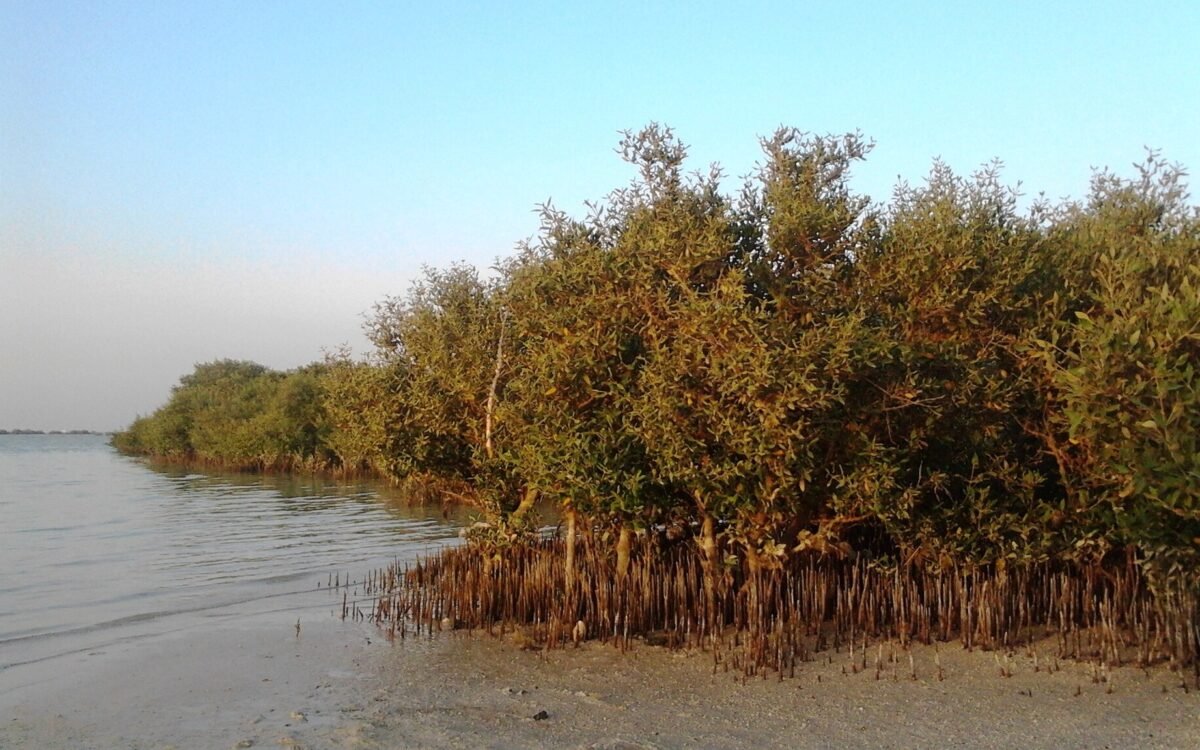
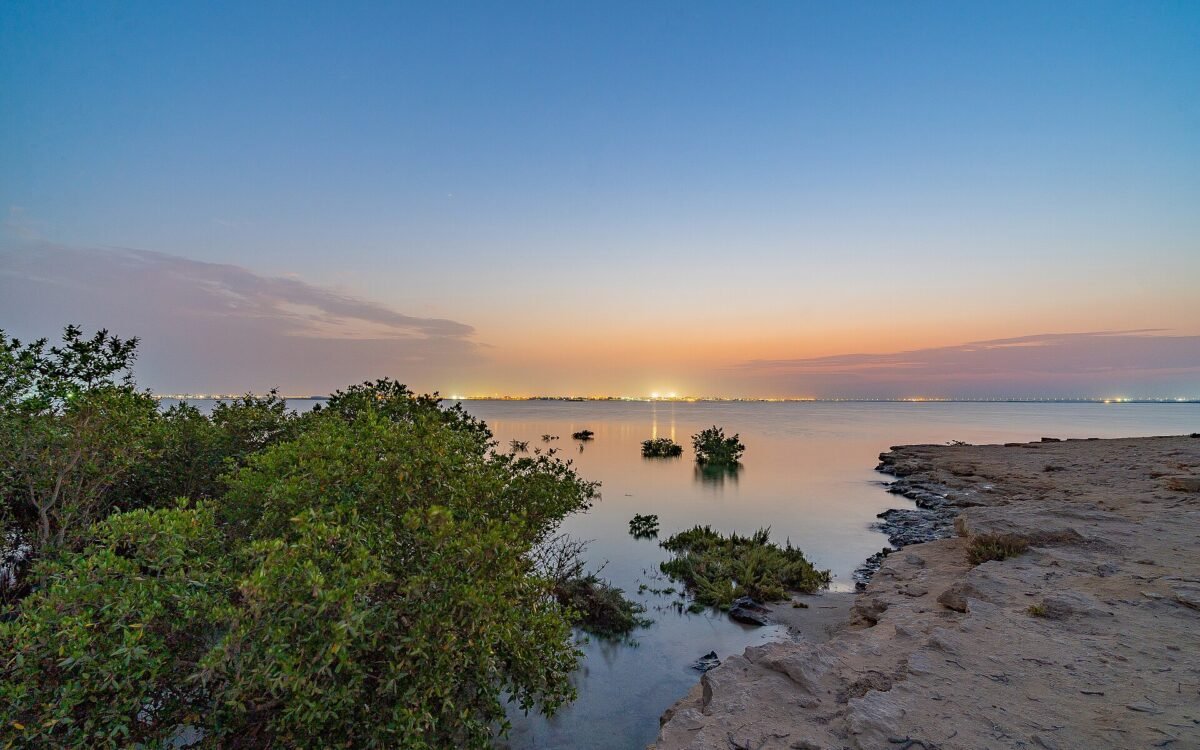
 The largest mangrove stands are on the north-east coast around Al Khor and Al Thakhira, where you can walk to Purple Island or paddle the channels by kayak. They are grey mangroves (Avicennia marina), which tolerate very salty water and summer heat.
From October to April, around high tide and ideally in the morning, when there is enough water in the channels. In summer, kayak tours move to sunrise or late-afternoon slots.
Hawksbill turtles nest on northern beaches, and Fuwairit Beach is the most important site. It closes from 1 April to 1 August to protect nests, so visit between October and March and keep away from any fenced or marked areas.
Arabian oryx live in protected areas such as the Al Reem Biosphere Reserve on the west coast. Public access to Ras Abrouq has mostly been through Visit Qatar's winter Brouq Season, resort stays or authorised tours.
Stay on existing tracks, take all rubbish home, don't feed or chase wildlife and don't fly drones without permission. Camping is limited to the areas and seasons set by the Ministry of Environment and Climate Change.
Yes, there is no gate or ticket, and a normal car can usually reach the parking area in dry weather. Go in the cooler months, as there is very little shade on the island.