Bandar Aden, Souq Waqif
Souq Waqif's long-running Yemeni restaurant: smoky lamb mandi, bubbling saltah and private carpeted rooms for eating on the floor.
Souq Waqif, central Doha
Overview
Bandar Aden is a Yemeni restaurant in the middle of Souq Waqif, and one of the places Doha residents send friends who want a big, filling, unfussy meal in the old market. It is known above all for mandi, slow-cooked meat on fragrant rice, and for its private carpeted rooms where you sit on the floor and eat from shared platters in the traditional way.
It is not a secret. Tourists find it easily, and Time Out Doha shortlisted it among the city’s best budget restaurants in 2025, noting the “homely” floor dining and generous portions. But it is also clearly a local favourite: on weekend evenings you will see Qatari and Arab families, groups of workers and visitors all eating side by side, which is part of the appeal.
Go if you want to try Yemeni food properly, if you are a group that likes to share, or if you have spent the afternoon walking the souq and want something more substantial than a snack. It is less suited to a quick solo bite at peak time, and to anyone who finds sitting on the floor uncomfortable (there are regular tables too).
Background: Yemeni food in the Gulf
Yemeni cooking has deep roots across the Arabian Peninsula. Traders, sailors and workers from Yemen, and especially from the Hadramawt region in the east of the country, carried their cooking to the Gulf ports over generations, and today Yemeni restaurants are among the most popular casual places to eat in Qatar, Saudi Arabia and the UAE. The name Bandar Aden means “Port of Aden”, after Yemen’s historic southern harbour city.
Mandi is the dish most people associate with that tradition. Meat, usually lamb or chicken, is seasoned with a spice mix and cooked slowly over rice in a closed oven or pit, so that the fat and juices drip into the rice below and the meat becomes soft enough to pull from the bone. Related dishes include madhbi (grilled on stones) and haneeth (slow-roasted lamb). In Qatar, mandi has become an everyday celebration food, eaten at family gatherings and ordered by the tray for guests.
Yemeni menus also include dishes that are less familiar outside the region. Saltah, often called Yemen’s national dish, is a bubbling meat broth topped with a frothy fenugreek paste, served in a stone or iron pot. Fahsa is a close relative made with shredded lamb. Breakfasts feature bean dishes, eggs and flaky breads, and sweet dishes are made by breaking bread into pieces and mixing it with honey, dates, banana or cream.
Bandar Aden’s own website highlights saltah and fahsa among its signature dishes, alongside the desserts masoub and areeka, which gives a good sense of how traditional the menu is.
A meal in the floor rooms
The restaurant has ordinary tables, terrace seating when the weather allows, and small private rooms laid with carpets and cushions. In the rooms you take your shoes off, sit around a plastic sheet or cloth on the floor, and the food arrives on large platters in the centre. It is the way many families in the Gulf still eat at home, and it makes a meal feel like an occasion.
Eating with your right hand is normal, but cutlery is available if you ask. Portions are sized for sharing, so a single mandi platter plus bread and a side or two goes a long way. The private rooms are also popular with families who prefer a little privacy, which is why they can be taken on busy nights.
What to order
Menus and availability change, so treat this as a guide to what the restaurant and its reviewers highlight rather than a fixed list.
Lamb or chicken mandi
This is the reason most people come. The lamb version is the one diners rave about for tenderness and smoky flavour; chicken is lighter and cheaper. Mandi usually comes with a tomato-chilli sauce or a yoghurt-based side, which cut through the richness.
Saltah and fahsa
Both arrive bubbling in a hot pot. Saltah is the more traditional introduction to Yemeni food, with the distinctive bitter-savoury fenugreek topping. Fahsa, with its shredded meat, is heartier. Tear bread and use it to scoop from the pot.
Yemeni bread and malawah
Reviewers often single out the bread, fresh from the oven, crisp outside and soft inside. Malawah, a flaky layered flatbread, is also on the menu and is served with some meat dishes.
Fish and seafood
Diners have mentioned hamour, the Gulf grouper, served in a hot cast-iron pot. It is a good choice if someone in your group doesn’t eat red meat.
Yemeni breakfast
The restaurant opens in the morning, and breakfast plates such as shakshuka, beans, liver and cheese dishes with bread make a cheap, hearty start to a day in the souq.
Masoub and areeka for dessert
Masoub is crumbled bread mashed with banana and topped with things like cream and honey; areeka is a similar, richer dish often made with dates and honey. Both are big enough to share and very sweet, so order one for the table.
How to get there
Bandar Aden is inside Souq Waqif, towards the northern side of the market, not far from the Souq Waqif Boutique Hotels. Souq Waqif sits in central Doha between the Corniche and Msheireb.
- By metro: Souq Waqif station on the Gold Line is the closest. Msheireb station, where the Red, Green and Gold lines meet, is a 10 to 15 minute walk.
- By car: Park in one of the souq’s car parks, including the underground parking. Evenings on Thursday, Friday and Saturday are the busiest, so allow extra time.
- By taxi or ride-hailing: Ask to be dropped at Souq Waqif and walk in; the lanes are pedestrian-only.
Once inside, use a maps app or ask a shopkeeper. The restaurant is well known and most people in the souq can point you to it.
Best time to visit
The restaurant’s website lists opening from 8am to 11pm Saturday to Thursday and from 12.30pm to 11pm on Friday. Check current hours before going, especially during Ramadan, when restaurants in the souq often change their schedule around iftar.
For a relaxed meal, come for a late lunch on a weekday. Weekend evenings have the best atmosphere in the souq but also the longest waits. From November to March the terrace is pleasant in the evening; in summer you’ll want to sit inside.
Tips for your visit
- Ask for a floor room. If you want the traditional experience, say so when you arrive. Rooms can be taken at peak times, so be flexible.
- Order less than you think. Platters are generous. For two people, one mandi and a side dish is usually enough.
- Wear clothes you can sit cross-legged in. Tight or short clothing is awkward on the floor and less appropriate in the souq.
- Take off your shoes. Leave them at the entrance to the carpeted rooms.
- Use your right hand. If you eat with your hands, the right hand is customary. Spoons and forks are available.
- Try something new. Mandi is safe and delicious, but saltah or fahsa will tell you more about Yemeni food.
- Come hungry, leave time. A floor-room meal is a slow, social affair, not a quick stop.
Combine it with nearby places
- Shay Al Shoomoos: A couple of minutes away, this is the place for a Qatari breakfast on another morning. Read our Shay Al Shoomoos guide.
- Souq Waqif spice and textile lanes: Walk off lunch among the spice sacks, perfume shops and traditional clothing stalls.
- The Falcon Souq: On the eastern edge of the souq, shops sell falcons, hoods and hunting gear, and the Souq Waqif Falcon Hospital is nearby.
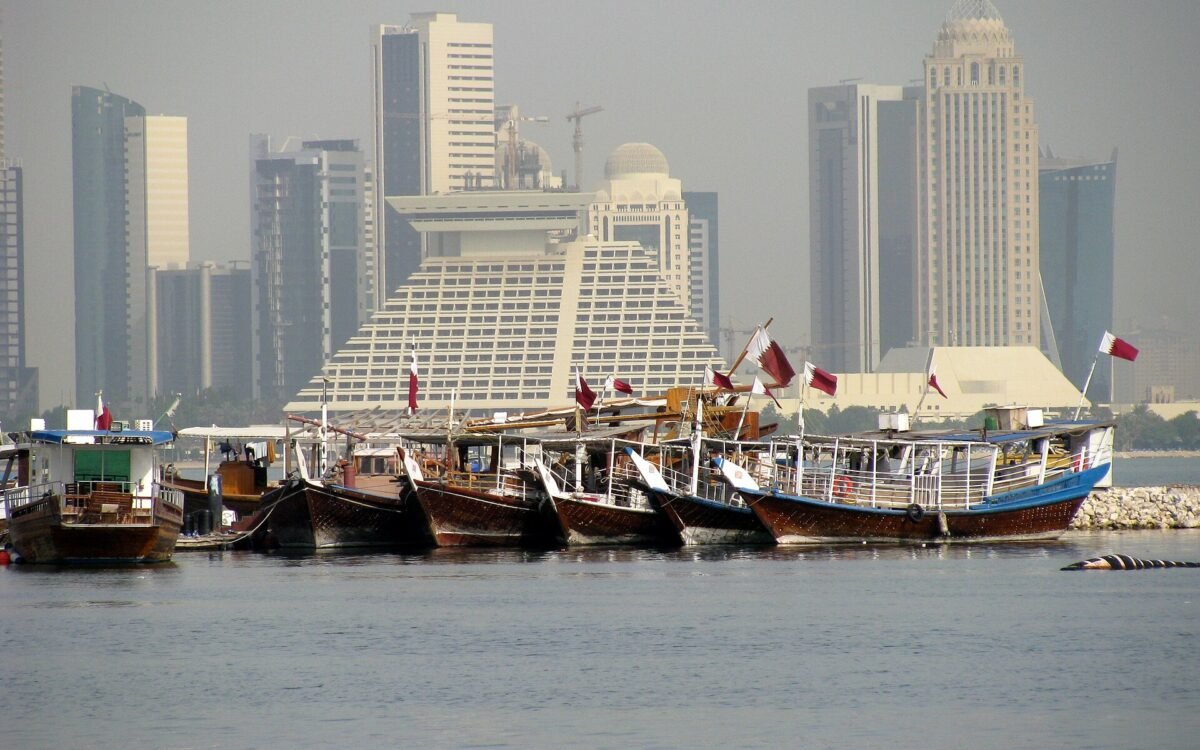
- Doha Corniche: Cross the road to the waterfront for dhows, sea breezes and skyline views, especially at sunset.
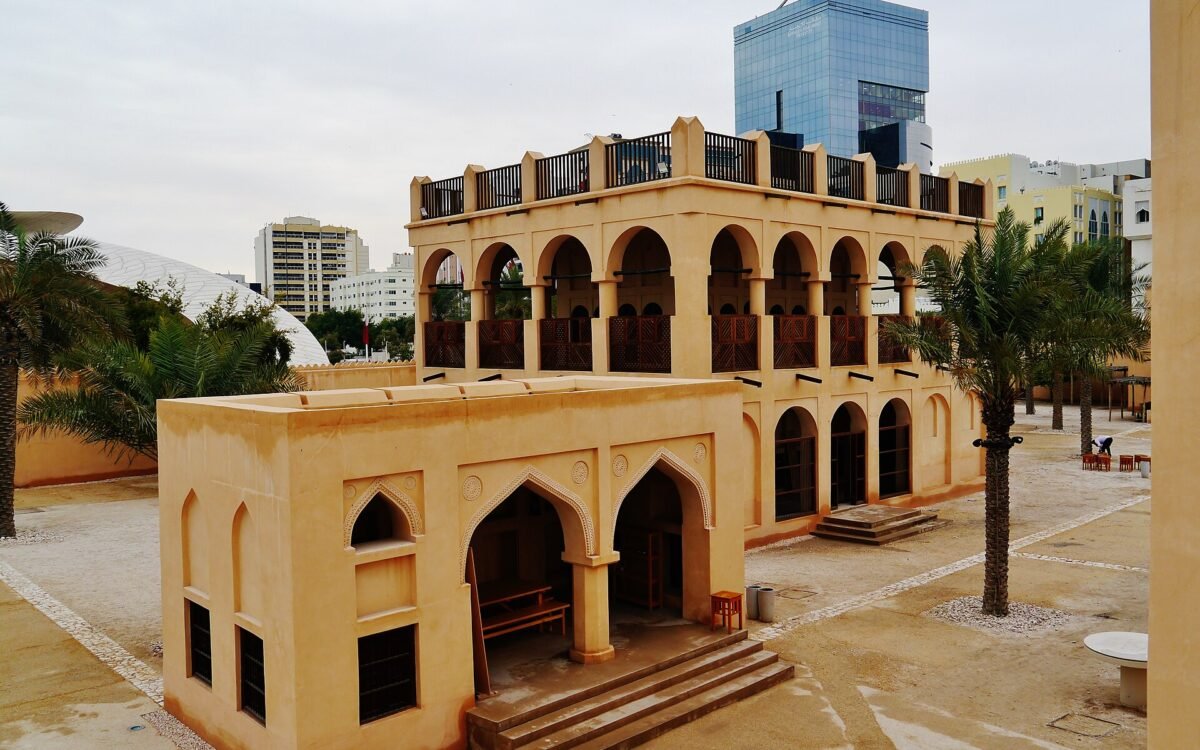
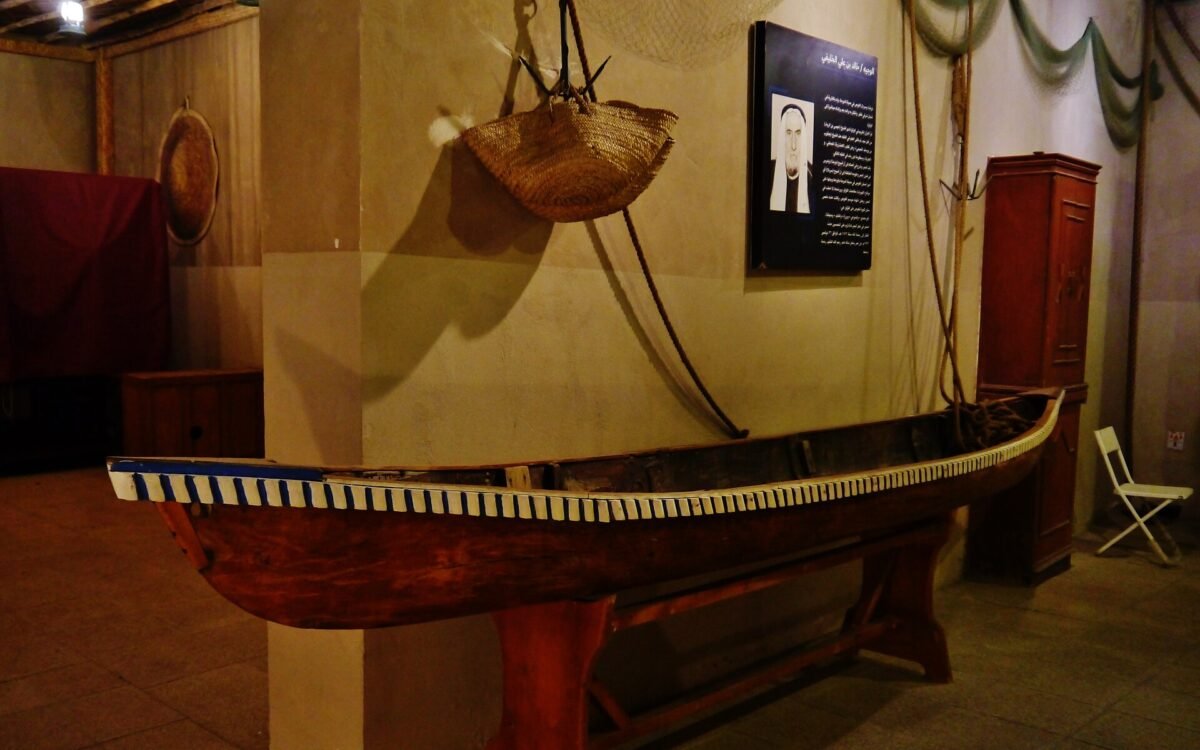
- Msheireb Downtown Doha: Next door to the souq, with the four heritage houses of Msheireb Museums and plenty of cafés.
Frequently asked questions
What kind of food does Bandar Aden serve?
Traditional Yemeni food. It is best known for lamb and chicken mandi, and its own website lists saltah, fahsa, masoub and areeka among its specialities.
Can you sit on the floor at Bandar Aden?
Yes. It has carpeted private rooms with cushions for traditional floor dining, as well as normal tables and, in cooler weather, terrace seating.
What are Bandar Aden’s opening hours?
Its website lists 8am to 11pm Saturday to Thursday and 12.30pm to 11pm on Friday. Hours may change during Ramadan and holidays, so check before you go.
Is Bandar Aden expensive?
No. It is a mid-priced to budget restaurant, and Time Out Doha shortlisted it among Doha’s best budget restaurants in 2025. Sharing platters make it good value for groups.
Is Bandar Aden good for families?
Yes. The private floor rooms work well for families with children, who can move around more freely than at a table.
Where is the nearest metro station?
Souq Waqif station on the Gold Line. Msheireb station is also within walking distance.
Last checked October 2026. Hours, fees and access can change, so confirm with the official source before you go.
Read the Companies in Qatar visitor guide ↗
More places nearby
All places →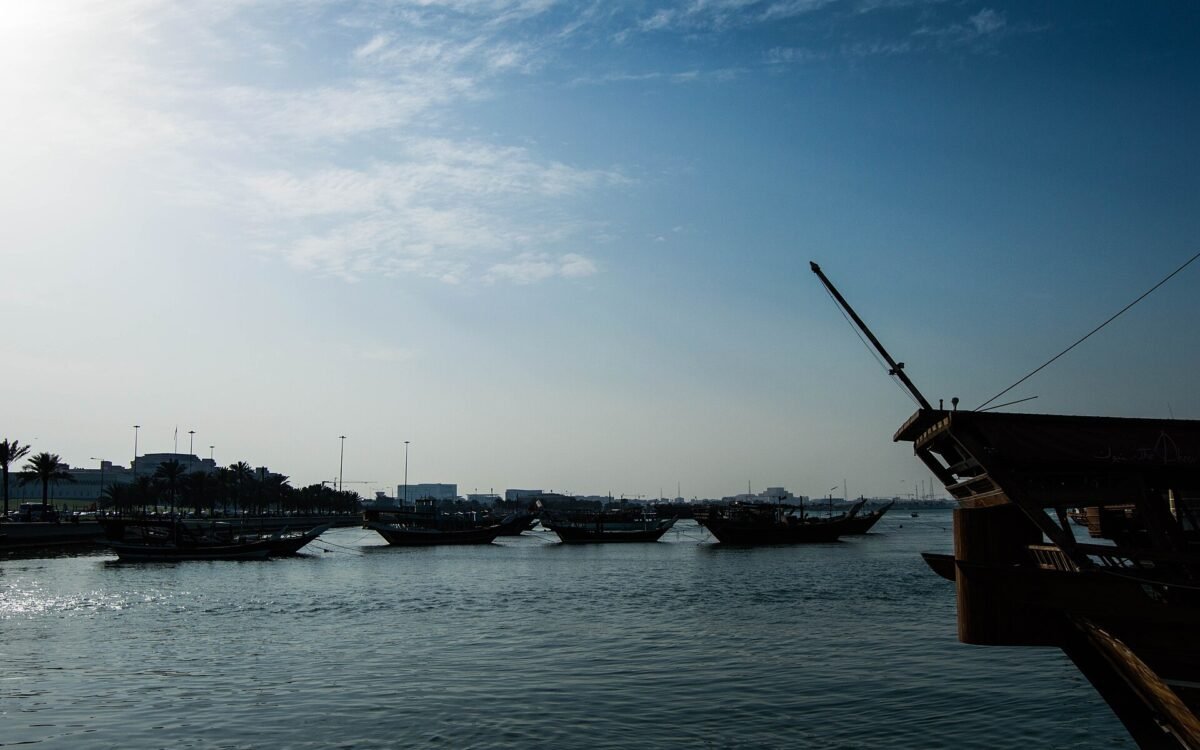
Run a tour, café or stay near Bandar Aden, Souq Waqif?
List your business free on Companies in Qatar, or get featured on Qatar Unseen in front of people planning their trip.