Bayt Sharq, Doha Corniche
Harees, madrooba and a proper Qatari breakfast in a restored century-old family house just off the eastern Corniche.
Al Sharq Street, Al Doha Gardens (off the eastern Corniche), Doha
Overview
Bayt Sharq is a Qatari restaurant set in a restored family house just off the eastern end of the Doha Corniche, in the Al Khulaifat and Ras Bu Abboud area near the National Museum of Qatar. It is open from breakfast until late and serves the dishes Qatari families grew up on: balaleet and liver at breakfast, harees, madrooba and machboos later in the day, with bread baked on the premises.
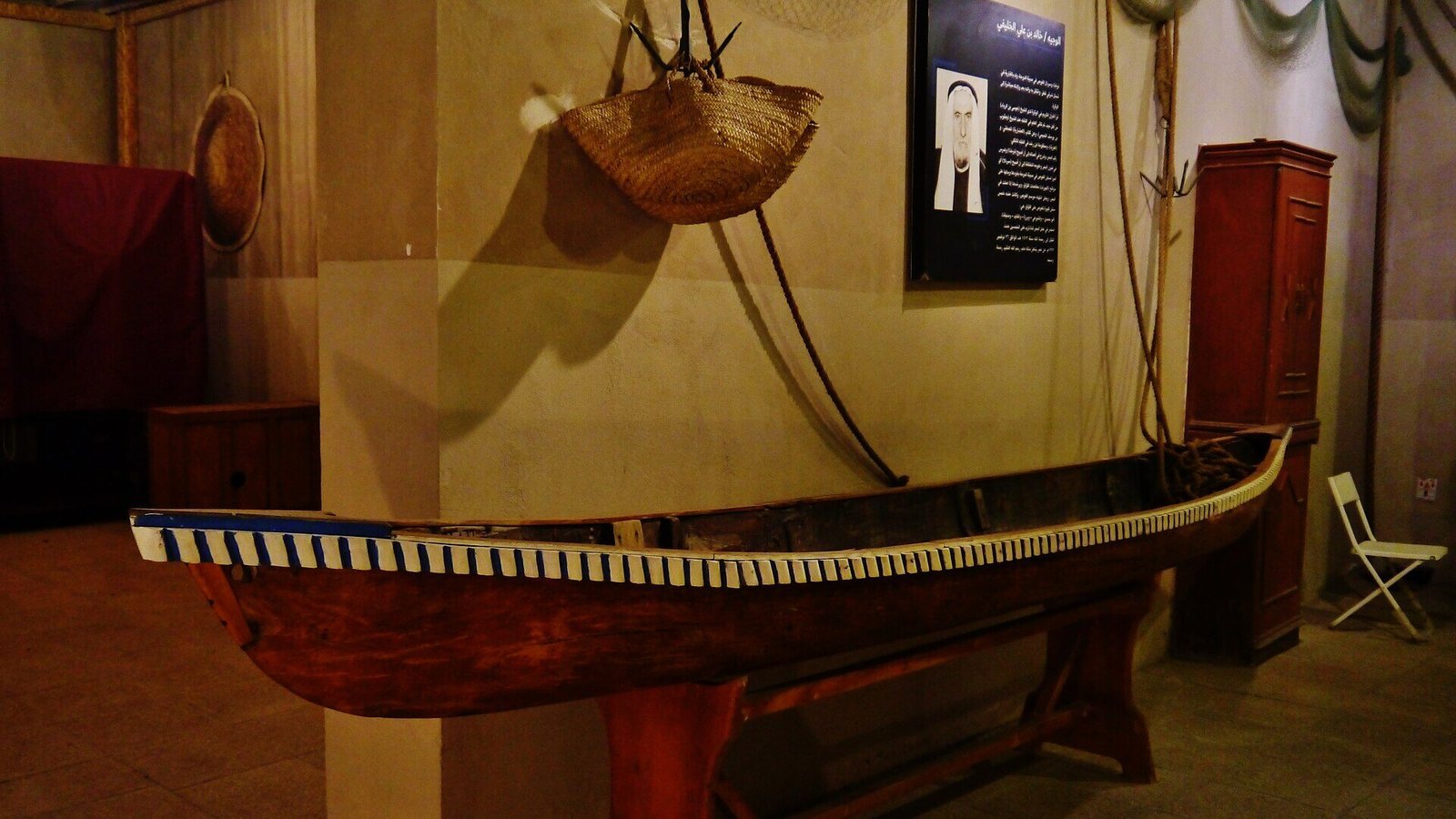
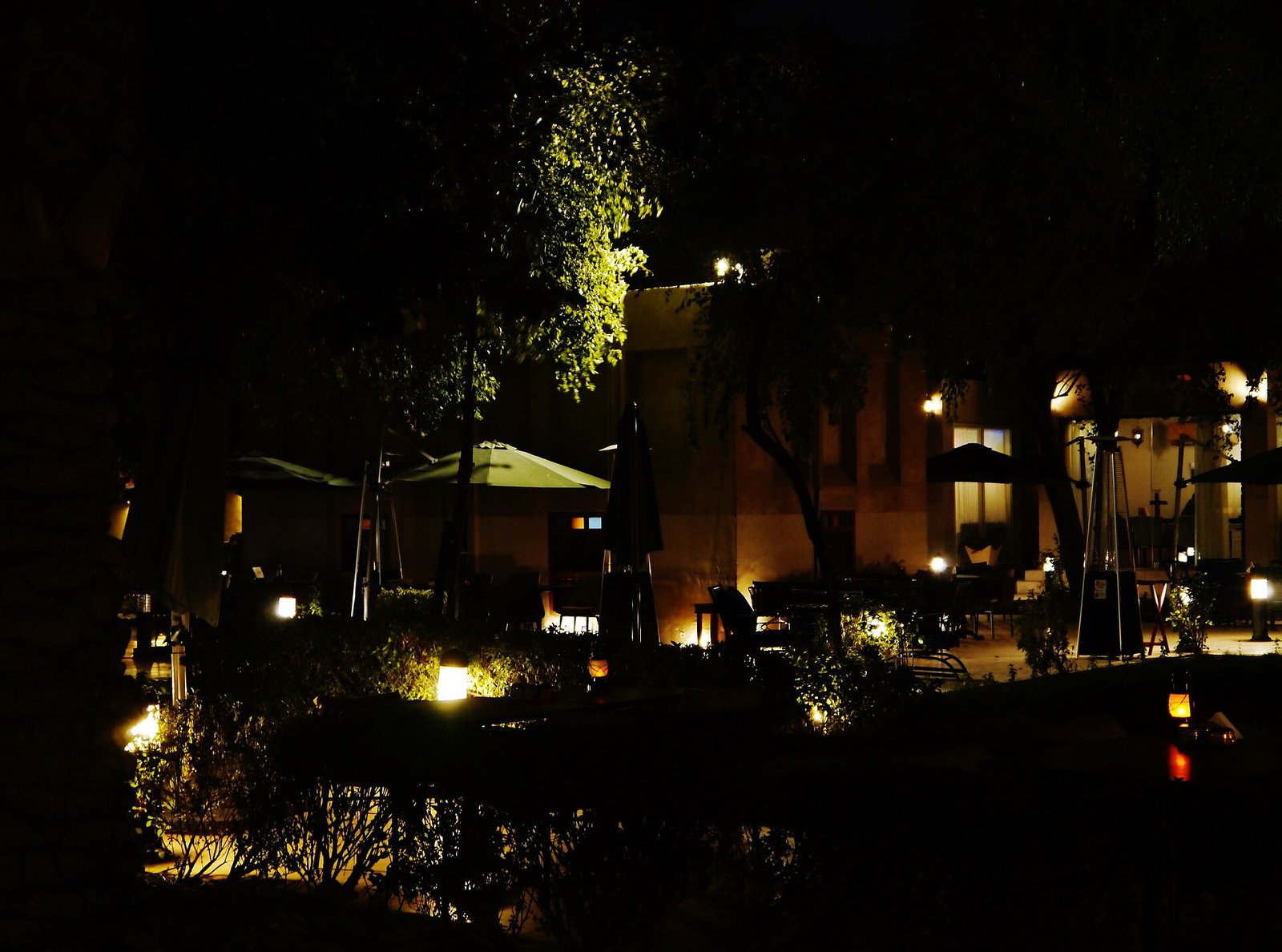
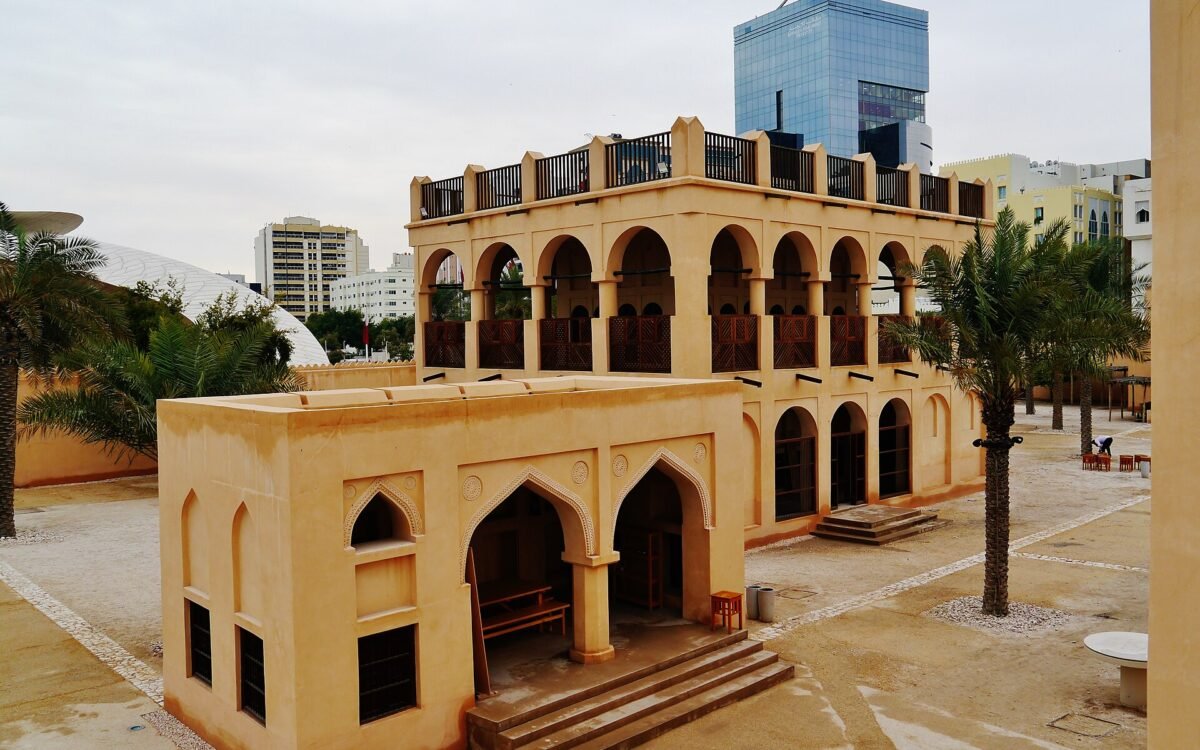
What sets it apart from most places serving local food is the setting. You eat in a leafy courtyard, on a veranda, in private cabanas or in the main dining room of a house that is roughly a century old, surrounded by old boats, fishing gear and family memorabilia. The MICHELIN Guide lists it in its Doha selection, describing the building as a restored Al Khulaifi house of around 100 years old and recommending it for anyone wanting “a glimpse of Old Doha”.
It is a good choice when you want to introduce visitors to Qatari food in a comfortable, sit-down setting, for a long weekend breakfast, or for dinner outdoors in the cooler months. It is more polished and pricier than the souq’s budget cafés, but it is not a hotel restaurant, and the cooking stays close to home-style Qatari food.
The story behind the house
The restaurant occupies what is known as the Al Khulaifi heritage house, named after the family who lived there. It stands in the part of Doha that grew up east of the old town along the shore, an area whose names, Al Khulaifat and Ras Bu Abboud, still recall the families and landmarks of pre-oil Doha. Most houses of that period were demolished as the city modernised from the 1950s onwards, which makes the survivors, and the chance to spend time inside one, more interesting.
The restoration kept the feel of a traditional Gulf house arranged around an open courtyard. Time Out Doha, reviewing it after its opening, called it “a time capsule to a previous era”, pointing to the maritime décor that pays tribute to Qatar’s seafaring past, a vintage car on display and a small museum room with documents from the family who lived there. Marhaba’s dining guide mentions the same mix of courtyard greenery, cabanas and maritime details.
The house reflects a wider effort in Qatar to keep traditional buildings in use rather than fencing them off. Eating here gives you a sense of how family life was organised in such homes: the enclosed courtyard for shade and privacy, rooms opening onto it, and the sea only a short walk away.
What to order
The menu mixes strictly Qatari dishes with favourites from the wider Arab world. These are the items most often highlighted by reviewers and the restaurant’s listings; ask the staff what is available on the day.
The traditional Qatari breakfast
Breakfast is the meal many regulars recommend. Time Out’s reviewer described a set Qatari breakfast including balaleet (sweet saffron vermicelli with egg), lamb liver, nakhi (chickpeas) and bajilla (broad beans), and noted that a spread for two could easily feed four. A second, broader “maalem” breakfast brought in falafel, foul, labneh and cheese and za’atar fatayer. Set menus change, so check current options and prices.
Harees
Harees is wheat slow-cooked with meat until it becomes a smooth, porridge-like dish, finished with ghee. It is especially associated with Ramadan and Eid, when families make it in large pots and share it with neighbours. It tastes mild and comforting, and is a good test of a kitchen that takes Qatari food seriously.
Madrooba
Madrooba (also spelt madhrouba or mathrouba) means “beaten”: rice, meat or chicken and spices are cooked and stirred until they break down into a thick, savoury porridge. It is one of the dishes you rarely see outside Qatari homes and local restaurants.
Machboos
Qatar’s national dish is spiced rice cooked in the broth of chicken, lamb or fish, flavoured with dried lime, saffron and bezar spices. The MICHELIN Guide singles out the majboos, and it is the obvious choice if you want one main dish to share.
Bread, mezze and grills
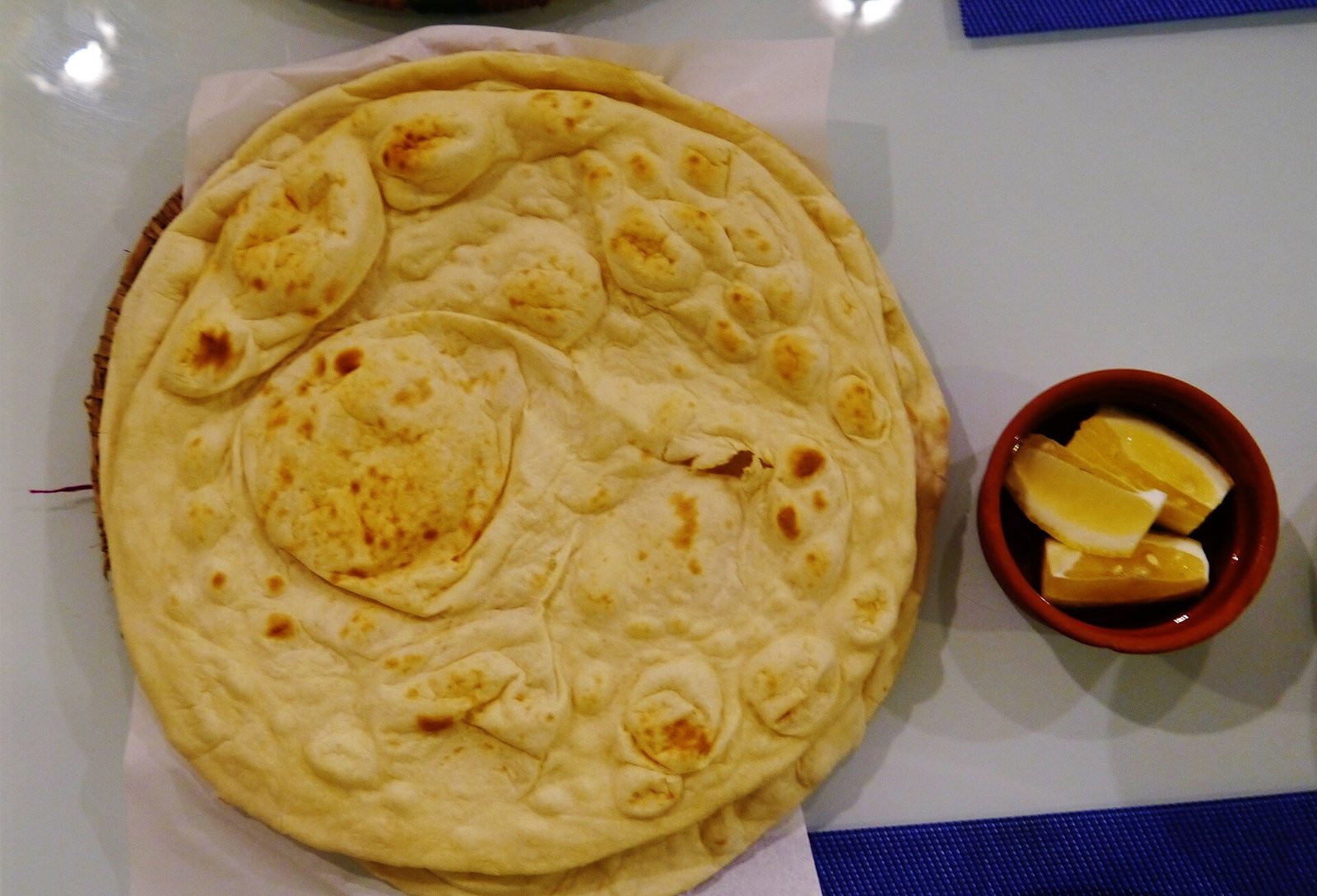
The bread is baked on site and served warm. Mezze such as hummus and mutabbel, and a mixed grill platter, are there for anyone in the group who prefers familiar flavours.
Mahalabia, luqaimat and karak
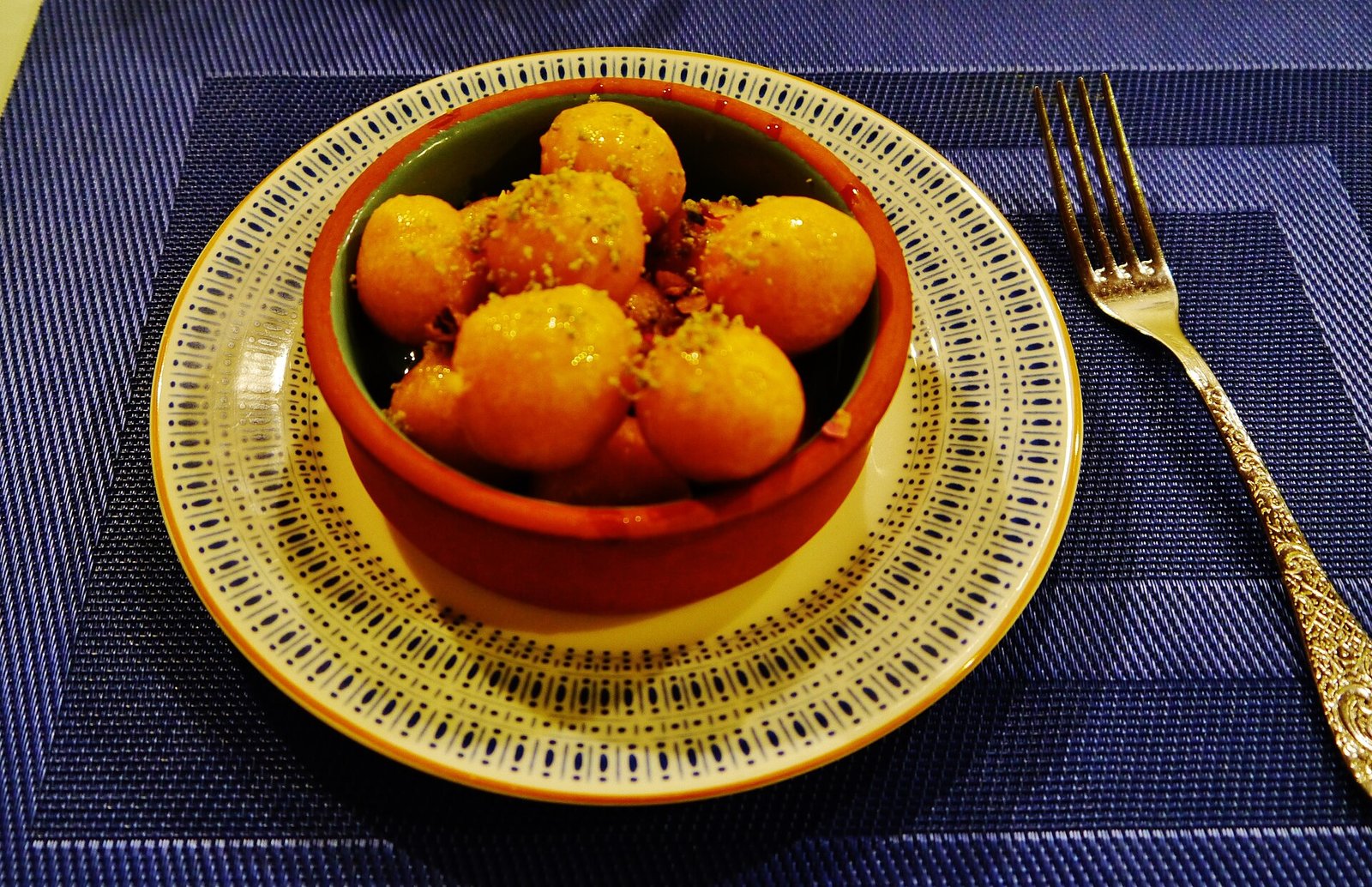
For dessert, the MICHELIN Guide mentions saffron mahalabia, a milk pudding. Luqaimat, small fried dumplings with date syrup, are a classic Qatari sweet. Karak, the strong spiced milky tea, is a good way to end the meal, or a reason to drop by in the evening on its own.
How to get there
Bayt Sharq is on Al Sharq Street in the Al Doha Gardens area, just inland from the eastern end of the Corniche, a few minutes’ drive from the National Museum of Qatar and about 10 to 15 minutes from West Bay by car outside rush hour.
- By car: Put Bayt Sharq into your maps app. There is parking near the restaurant; ask when booking if you are coming on a busy weekend evening.
- By metro: The closest Gold Line stations are National Museum and Ras Bu Abboud. From either, it is a walk of roughly 10 to 20 minutes depending on the exit, which is fine in winter but hot in summer, when a short taxi ride is easier.
- By taxi or ride-hailing: Drivers generally know it, or you can drop a pin. Karwa taxis and ride-hailing apps are widely available in this part of town.
Best time to visit
For atmosphere, come between November and March, when the courtyard and veranda are at their best in the evening and weekend breakfasts outside are a pleasure. In summer, sit in the air-conditioned dining room.
Listed hours have varied between sources: Time Out’s review gave daily 7am to 1am, while MyArtGuides lists 7am to midnight. Either way it is open all day, but check current hours before you go, particularly during Ramadan, when many Qatari restaurants switch to iftar and suhoor service.
Friday and Saturday breakfasts and weekend evenings are the busiest times. Weekday breakfast is quieter and a good time to look around the house.
Tips for your visit
- Book for groups and weekends. Call ahead or message the restaurant on Instagram if you want a cabana or courtyard table.
- Go for breakfast first. It is the meal that shows off the widest range of Qatari dishes.
- Share rather than order individually. Portions are generous, and a set menu can feed more people than it is meant for.
- Look around before you sit. Ask staff about the small museum room and the displays; they are easy to miss if you go straight to your table.
- Bring visitors here early in their trip. It is a gentle introduction to Qatari flavours before you try more basic local spots.
- Dress smart-casual. The restaurant is relaxed, but many local families come here for occasions.
- Expect restaurant prices. It costs more than souq cafés; check the current menu if you are on a budget.
Combine it with nearby places
- National Museum of Qatar: The “desert rose” museum is a few minutes away and includes the restored palace of Sheikh Abdullah bin Jassim Al Thani.
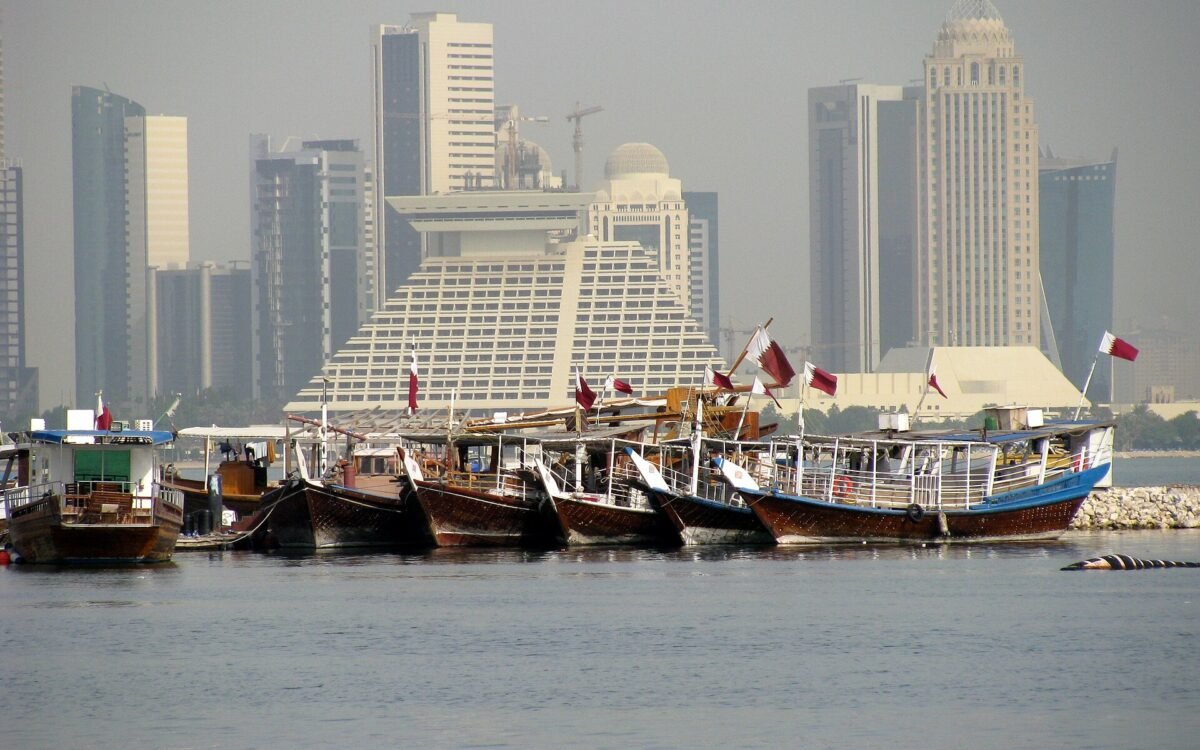
- Doha Corniche: Walk along the waterfront towards the Museum of Islamic Art for views of the West Bay skyline across the bay.
- Old Doha Port and the Mina District: Colourful streets, cafés and boat trips around the old port, a short drive west.
- Souq Waqif: About 10 minutes by car. For a very different, budget take on local food, try Shay Al Shoomoos for Qatari breakfast or Bandar Aden for Yemeni mandi.
Frequently asked questions
What kind of food does Bayt Sharq serve?
Mainly traditional Qatari dishes such as balaleet, harees, madrooba and machboos, plus Arab favourites like hummus, mutabbel, falafel and grills.
Is Bayt Sharq in a real heritage house?
Yes. It occupies the restored Al Khulaifi heritage house, described by the MICHELIN Guide as around 100 years old, with a small museum room and traditional décor.
Is Bayt Sharq in the MICHELIN Guide?
It is listed in the MICHELIN Guide’s Doha restaurant selection, which highlights its setting and generous Qatari dishes.
When is Bayt Sharq open?
It is open daily from breakfast until late. Published hours differ slightly between sources, so check current times before you go, especially in Ramadan.
Can I sit outside?
Yes. There is a courtyard garden, a veranda and private cabanas as well as an indoor dining room. Outdoor seating is most comfortable from November to March.
Do I need to book?
Not usually on weekdays, but booking is sensible for weekend breakfasts, evenings and larger groups.
Last checked October 2026. Hours, fees and access can change, so confirm with the official source before you go.
Read the Companies in Qatar visitor guide ↗
More places nearby
All places →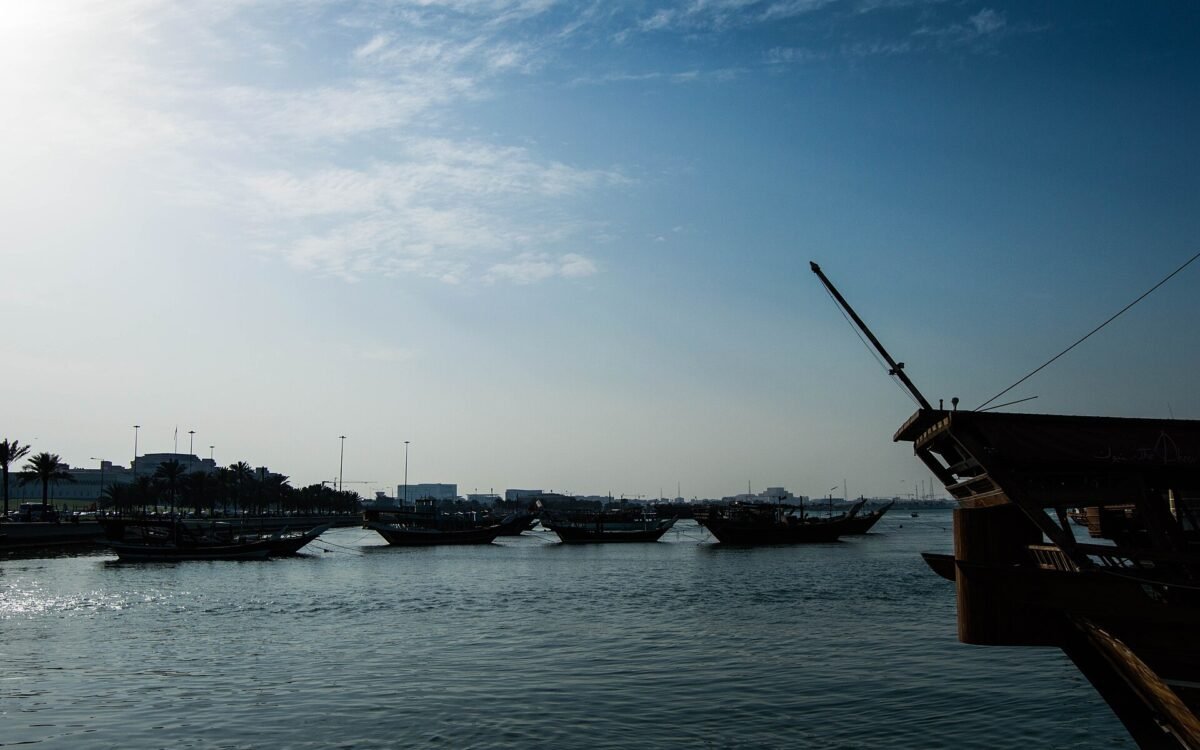
Run a tour, café or stay near Bayt Sharq, Doha Corniche?
List your business free on Companies in Qatar, or get featured on Qatar Unseen in front of people planning their trip.