Souq Waqif Boutique Hotels by Tivoli, Doha
Eight small heritage hotels inside Doha’s old market: how they differ, rooms, hammam, dining, costs and who a souq weekend suits.
Souq Waqif, central Doha (by the Corniche)
Overview
Souq Waqif Boutique Hotels by Tivoli is not one hotel but a small collection of them, tucked into the lanes of Doha’s best-known market. Each is housed in a restored or traditionally styled building, with its own character and a handful of rooms, and together they share a spa, pool, gym, restaurants and a golf-cart service that runs guests between the properties. Tivoli’s website currently lists eight hotels; Minor Hotels, Tivoli’s parent group, gives the total as 160 rooms and suites.
The appeal is simple. You sleep inside the souq, step out of your door into alleys of spice, textile and falcon shops, and can wander to the Corniche and the Museum of Islamic Art on foot. It is the most atmospheric city stay in Doha and the opposite of a glass tower in West Bay.
Is it worth it for a weekend? For visitors who want Doha’s heritage side, and for residents who want a change of scene without driving anywhere, yes. It can also be one of the more affordable ways to stay somewhere special in Doha. The trade-offs are that rooms vary a lot between the hotels, the souq is lively and sometimes noisy into the night, and there is no beach. Choose your hotel carefully and it is a memorable weekend.
The story behind the hotels
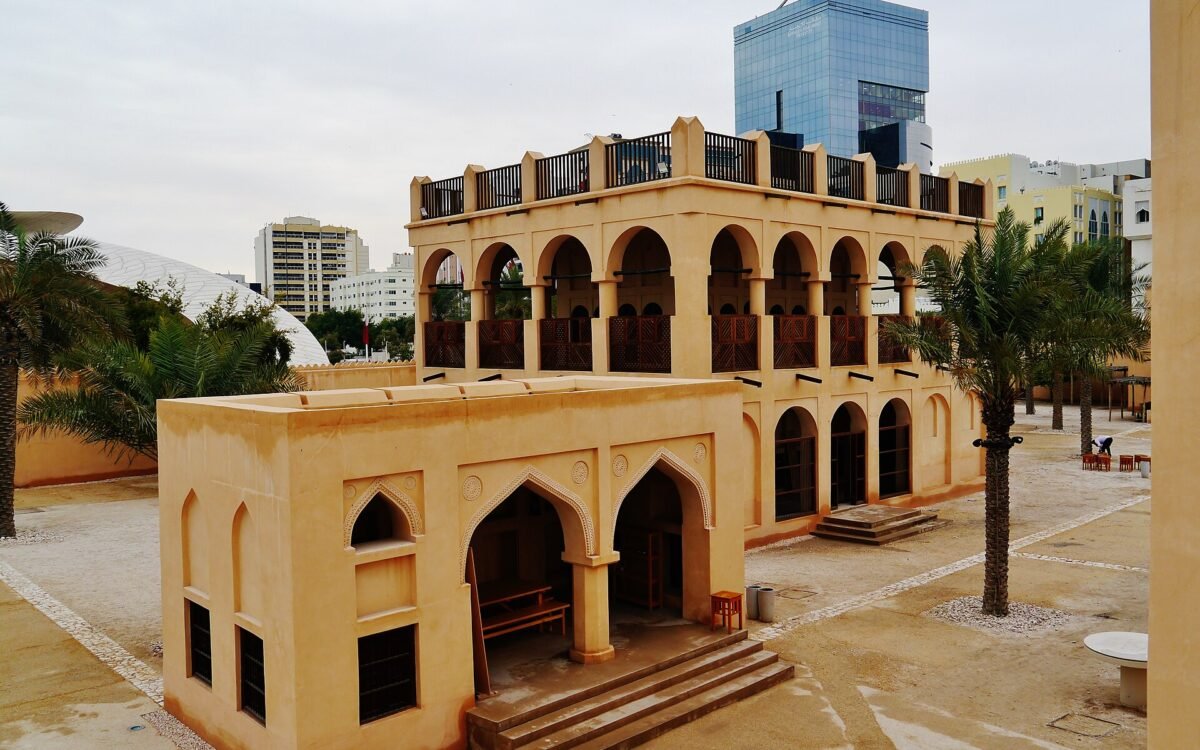
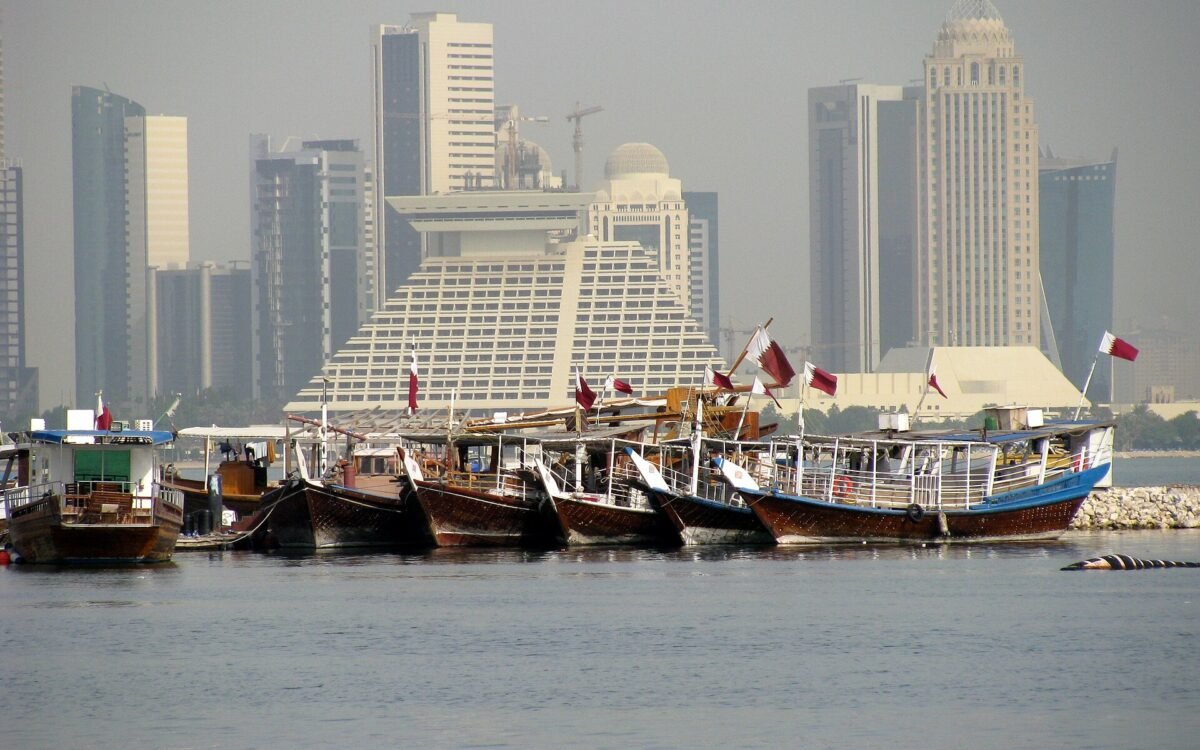
Souq Waqif grew up as a trading place by the old waterfront, where Bedouin and townspeople met to buy and sell. By the early 2000s it had become run-down, and from the mid-2000s it was extensively restored and partly rebuilt in traditional style, with mud-rendered walls, exposed timber beams and shaded alleys. The work turned it into one of Qatar’s most visited sights.
The boutique hotels were created as part of that revival. Several occupy buildings with their own history: Tivoli describes Al Jomrok as restored from former customs offices, and Bismillah as Doha’s oldest hotel, modernised with contemporary services. Katara Hospitality operated the collection until October 2017, when Tivoli Hotels & Resorts, part of Thailand’s Minor Hotels, took over. At the time the collection was described as nine properties; today Tivoli markets eight.
What to expect
Choosing your hotel
This is the most important decision. Tivoli’s website lists Al Jomrok, Al Mirqab, Al Jasra, Arumaila, Bismillah, Musheireb, Najd and Al Bidda. They differ in style: Al Mirqab leans towards traditional Arabian design, Al Jasra is the most polished and “haute”, Arumaila and Musheireb are aimed at a younger crowd with more contemporary interiors, Najd mixes Arabian design with modernism, and Al Bidda focuses on Qatari heritage. Arumaila had 19 rooms and Al Bidda 32 rooms and suites at the last published counts, so all of them are genuinely small. Read recent reviews for the specific hotel you are booking rather than the collection as a whole.
Rooms and suites
Tivoli’s room listings range from standard rooms of around 20 to 30 square metres up to suites of 60 to 100 square metres and the 170-square-metre Amiri Suite. Minor Hotels says rooms come with king-size beds, balconies, robes and coffee and tea facilities, and suites have separate living areas. Expect traditional decor with carved wood, textiles and lanterns, and remember that in a historic setting some rooms are compact or have limited views.
Spa, pool and gym
The shared spa is known for its Moroccan hammam, which Minor Hotels describes as Doha’s only Moroccan hammam experience, along with herbal facials and signature massages. There is an outdoor pool and a fully equipped gym. Because the facilities are spread around the souq, you may need to take the golf cart or walk a few minutes between your room and the pool or spa.
Restaurants and lounges
Visit Qatar lists six food and drink outlets in the collection: La Piazza (pizza and pasta), La Patisserie (cakes and desserts), Argan (Moroccan), Al Terrace, the rooftop Al Matbakh and Al Shurfa Arabic Lounge. Rooftop terraces overlooking the souq are some of the best places in Doha to watch the evening bustle below. You are also surrounded by dozens of independent restaurants and cafés in the souq itself, so you will never be short of choice.
Life in the souq
This is the real reason to stay. Early morning, before the shops open, the alleys are quiet and you can see the architecture properly. In the evening the souq fills with families, shoppers and diners, and the atmosphere is at its best. Within a few minutes’ walk you have the spice and perfume sections, the falcon souq and falcon hospital area, the animal and bird market, and the art galleries. You can also walk along the Corniche to the Museum of Islamic Art.
Visiting without staying
The restaurants and lounges are open to the public, so you can easily have dinner, a coffee or a shisha on a rooftop terrace without booking a room. Ask the spa directly about treatments for non-guests.
Who it suits, and who it doesn’t
First-time visitors to Doha get the most out of a stay here, with the souq, the Corniche and the museum district all on foot.
Residents wanting a change of scene can swap their usual weekend for one spent wandering, eating and relaxing in the hammam, without a long drive.
Couples will enjoy the romance of the lanes and rooftops, especially in the cooler months.
Families with young children may find the rooms small and the pool limited compared with a resort. Light sleepers should ask for a quieter room, since the souq stays busy late, especially on weekends.
How much does it cost?
Rates vary by hotel, room type and season. When we checked in October 2026, Minor Hotels advertised rates from QAR 294 a night with advance purchase and from QAR 500 on its best flexible rate. Treat these as a guide only and check current rates before booking. Suites in the more upmarket hotels cost considerably more.
How to get there
The hotels are in Souq Waqif in central Doha, next to the Corniche and about 15 minutes’ drive from Hamad International Airport, according to Visit Qatar.
- By metro: Souq Waqif station on the Gold Line is at the edge of the souq, a short walk from the hotels.
- By car: there are public car parks around the souq; ask the hotel for the best place to park and how to reach reception with luggage, as the lanes are pedestrian.
- By taxi or ride-hailing: ask for your specific hotel by name. Drop-off points are at the edge of the pedestrian area.
Check-in is from 3pm and check-out by noon, according to Minor Hotels.
Best time to visit
November to March is ideal. Evenings in the souq are pleasant, rooftop terraces are comfortable, and the outdoor seating throughout the market is busy and lively. From May to September the heat makes daytime wandering hard work; the souq comes alive after sunset, so plan outdoor time for the evenings and use the pool, spa and air-conditioned cafés during the day.
Thursday to Saturday nights are the liveliest, and during festivals and events in the souq, crowds are big. A Sunday or Monday night stay is quieter and often cheaper. During Ramadan, the souq has a special atmosphere after iftar, but daytime hours change.
Tips for your visit
- Research the individual hotel, not just the collection; the experience differs from one to the next.
- Ask for a room away from busy lanes and terraces if you are a light sleeper.
- Pack light or ask about luggage help: the lanes are pedestrian and the golf carts cover the last stretch.
- Book the hammam in advance at weekends.
- Explore early in the morning for empty alleys and soft light for photos.
- Most shops in the souq close in the early afternoon and reopen in the late afternoon, so plan shopping for the morning or evening.
- Dress modestly around the souq; it is a family and traditional area.
- Bargaining is normal in many shops but keep it friendly.
What to bring
- Comfortable walking shoes for the lanes
- Modest clothing for exploring the souq
- Swimwear for the pool and spa
- Some cash for small shops and street snacks
Combine it with nearby places
Museum of Islamic Art and MIA Park. One of the world’s great collections of Islamic art in an I.M. Pei building, about a 15-minute walk along the Corniche.
National Museum of Qatar. The desert-rose building by Jean Nouvel, a short taxi ride south along the coast.
Msheireb Downtown Doha. A regenerated district next to the souq, with the Msheireb Museums in restored historic houses.
Doha Corniche. The waterfront promenade starts right outside the souq; walk it at sunset.
Banana Island Resort by Anantara. The resort’s boat leaves from Al Shyoukh Terminal on the Corniche opposite the souq, so you could pair a night here with a day on the island.
Frequently asked questions
How many Souq Waqif Boutique Hotels are there?
Tivoli currently lists eight: Al Jomrok, Al Mirqab, Al Jasra, Arumaila, Bismillah, Musheireb, Najd and Al Bidda. Minor Hotels gives a total of 160 rooms and suites.
Is there a pool?
Yes, an outdoor pool shared by the collection, along with a spa with a Moroccan hammam and a gym.
Can I drive right up to the hotel?
No. The souq lanes are pedestrian. Park nearby or get dropped off at the edge, and golf carts take guests between the properties.
Is it noisy?
The souq is busy in the evenings, especially at weekends. Ask for a quieter room if you are a light sleeper.
Can non-guests eat at the restaurants?
Yes. The restaurants and lounges, including rooftop terraces, are open to the public.
Which is the oldest hotel?
Tivoli describes Bismillah Hotel as Doha’s oldest hotel, now modernised.
Last checked October 2026. Hours, fees and access can change, so confirm with the official source before you go.
More places nearby
All places →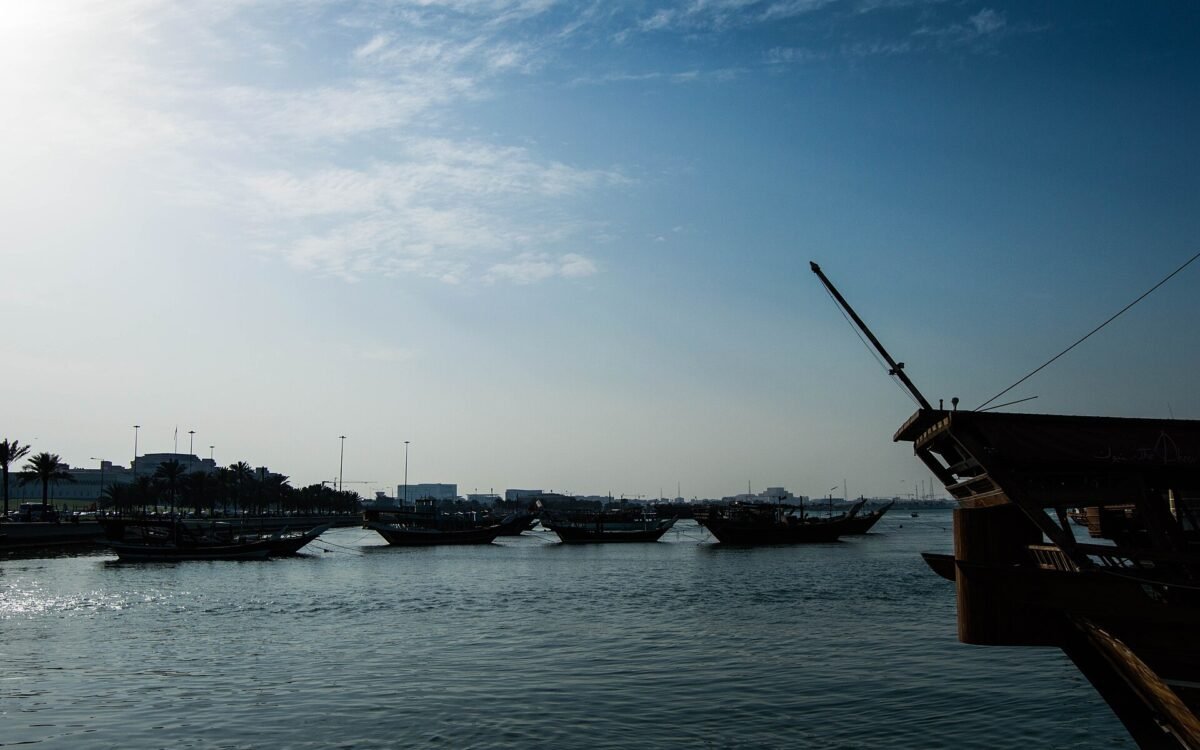
Run a tour, café or stay near Souq Waqif Boutique Hotels by Tivoli, Doha?
List your business free on Companies in Qatar, or get featured on Qatar Unseen in front of people planning their trip.