Heenat Salma Farm, Al Shahaniya
An organic regenerative farm west of Doha with farm-to-table meals, craft workshops, animals for children and nights in canvas tents.
Umm Leghab, Al Shahaniya (north of Dukhan Highway)
Overview
Heenat Salma Farm is a working organic farm and eco-retreat in Al Shahaniya, in the flat farmland west of Doha. It grows vegetables, fruit, herbs and medicinal plants using regenerative methods, keeps sheep and poultry, and opens its gates to visitors for farm-to-table meals, craft workshops, school programmes and overnight stays in large canvas tents.
It is a very different side of Qatar from the malls and museums. Instead of glass and air conditioning you get palm groves, buildings made with natural materials, vegetable beds, a communal fire pit and the sound of animals in the morning. For residents it has become a weekend escape; for visitors it is one of the few places in the country where you can see food being grown in the desert and learn some of the traditional crafts that go with rural life.
This guide covers what the farm offers, how to plan a day visit or a night in a tent, and how to fit it into a trip to central Qatar. It suits families with young children, couples looking for a quiet night out of the city, food lovers, and anyone interested in sustainability or traditional Qatari crafts. Almost everything here works by booking, so read the practical notes before you set off.
The story behind the farm
Heenat Salma was established in 2018 by the Caravane Earth Foundation, an organisation focused on ecology, culture and community. The site covers about 50 hectares in the Al Shahaniya municipality, an area long used for date palms, livestock and seasonal grazing. The idea was to create a farm that would show regenerative agriculture working in a hot, dry climate, while also acting as a cultural space where traditional skills are practised and taught.
The farm describes itself as an organic, regenerative operation: soil health, composting, mixed planting and biodiversity come before maximum yield. Visit Qatar notes that it grows around 30 varieties of crops, alongside dates, eggs, honey and dairy. The buildings follow the same thinking. The majlis, the reception and gathering space, was built with natural materials, and the guest tents are designed to be comfortable without heavy construction.
The setting gives the project extra meaning. Qatar has very little rainfall, thin soils and fierce summer heat, and for decades the country imported most of its fresh food. After the regional blockade that began in 2017, food security became a national priority and local farms expanded quickly, many of them relying on intensive greenhouses and groundwater. Heenat Salma takes a different route, trying to show that careful soil building, shade, mixed planting and efficient irrigation can produce food in this climate while improving the land rather than exhausting it. Walking the plots with that background in mind makes the visit more than a pleasant day out.
Education is a large part of the project. Heenat Salma runs field-trip programmes for schools and universities on permaculture, biodiversity and sustainability, with a published programme for the 2025 to 2026 academic year. It also hosts artist residencies and craft workshops linked to Qatari textile traditions, and seasonal events such as a Ramadan bazaar with music, film screenings, animal encounters and craft demonstrations.
What to expect
Farm-to-table meals
The farm kitchen cooks with seasonal produce from its own fields, and Visit Qatar lists breakfast, afternoon tea and dinner among the dining options. Menus change with what is growing, so don’t expect a fixed card. Visitors regularly single out the fresh breakfasts, coffee and home-made cakes. Meals are generally booked in advance rather than offered as walk-in café service, so call ahead and ask what is on during your visit.
Hands-on workshops
This is where Heenat Salma really stands out. Its programme has included artisanal kitchen workshops such as cheese-making, sourdough baking and pasta, textile classes based on traditional Qatari weaving patterns and embroidery, palm-leaf weaving, pottery, and wellness sessions on aromatherapy and incense-making. Workshops are scheduled rather than continuous, so check the farm’s Instagram for upcoming dates and book a place.
Animals and the fields
Children in particular love the farm experiences: sheep milking, pony rides, vegetable picking and tree planting have all featured in the farm’s activities. Guided walks through the regenerative plots explain how the farm builds soil and saves water, and from June to October you may be able to join in the date harvest. Wear clothes you don’t mind getting dusty.
A night in a farm tent
For overnight stays, the farm has large tents of about 40 square metres arranged around a central courtyard with a communal fire pit. Each has handcrafted furniture, its own open-air bathroom and a private patio. Expect simple, stylish comfort rather than hotel luxury, and a genuinely dark, quiet night by Doha standards. Stays are booked by phone. In the warmer months, ask how the tents are cooled before you commit; the cooler season from November to March is the most comfortable time to sleep under canvas.
Yoga and slow time
Yoga classes and wellness programmes run at the farm, and the tea tent and fireplace are designed for long, unhurried conversations. Many visitors come simply to sit in the shade of the palms with a drink and a book. If you want a peaceful visit, weekday mornings outside school-trip times are the quietest.
The farm shop
An on-site shop sells farm produce and pantry items, with Visit Qatar mentioning organic eggs, dates and vegan foods. Availability depends on the season and the harvest, so treat it as a bonus rather than a reason to visit on its own.
How to get there
Heenat Salma is in the Umm Leghab area of Al Shahaniya, east of Al Shahaniya city and north of the Dukhan Highway. From central Doha, drive west on the Dukhan Highway through Al Rayyan, then follow local roads north to the farm. Visit Qatar puts the journey at around 30 minutes from West Bay; allow longer at busy times. The roads are paved and any car is fine.
Use the map pin or the location the farm sends you when you book, as the final turns are on farm roads with little signage. There is parking on site. There is no public transport, so you need a car, a taxi with a return arranged, or a place on an organised school or group visit.
Best time to visit
November to March is the best season. Days are warm rather than hot, evenings around the fire pit are pleasant, and the vegetable beds are at their most productive. Spring is lovely too, before the heat sets in. From June to October the date harvest is the main seasonal activity, but outdoor time is best kept to early mornings and evenings.
For a day trip, a morning visit with breakfast and a workshop works well. For atmosphere, stay for sunset and dinner, or book a night in a tent. Weekends and Ramadan evenings are the busiest times, and special events can fill up fast, so book early.
Tips for your visit
- Book everything in advance. Call the farm on +974 5096 0007 for stays and meals; workshops and classes are announced and booked via Instagram (@heenat_salma).
- Confirm opening times when you book. Hours vary with events, workshops and the season.
- Ask for the current prices. Meal, workshop and stay prices change with the season and programme; get them confirmed before you go.
- Dress for a farm. Closed shoes, breathable clothes and a hat. Modest dress is appreciated.
- Respect the animals. Only touch or feed animals when staff invite you to.
- Bring insect repellent. Irrigated farmland attracts mosquitoes around dusk.
- Keep noise low. Other guests come for the quiet, especially around the tents in the evening.
- Allow for construction or events. Some visitors have reported building work nearby; ask when booking a stay if quiet is important to you.
What to bring
- Hat, sunglasses and sunscreen
- Comfortable closed shoes
- Insect repellent
- A light jacket for winter evenings by the fire
- A reusable water bottle
- A bag for farm-shop produce
Combine it with nearby places
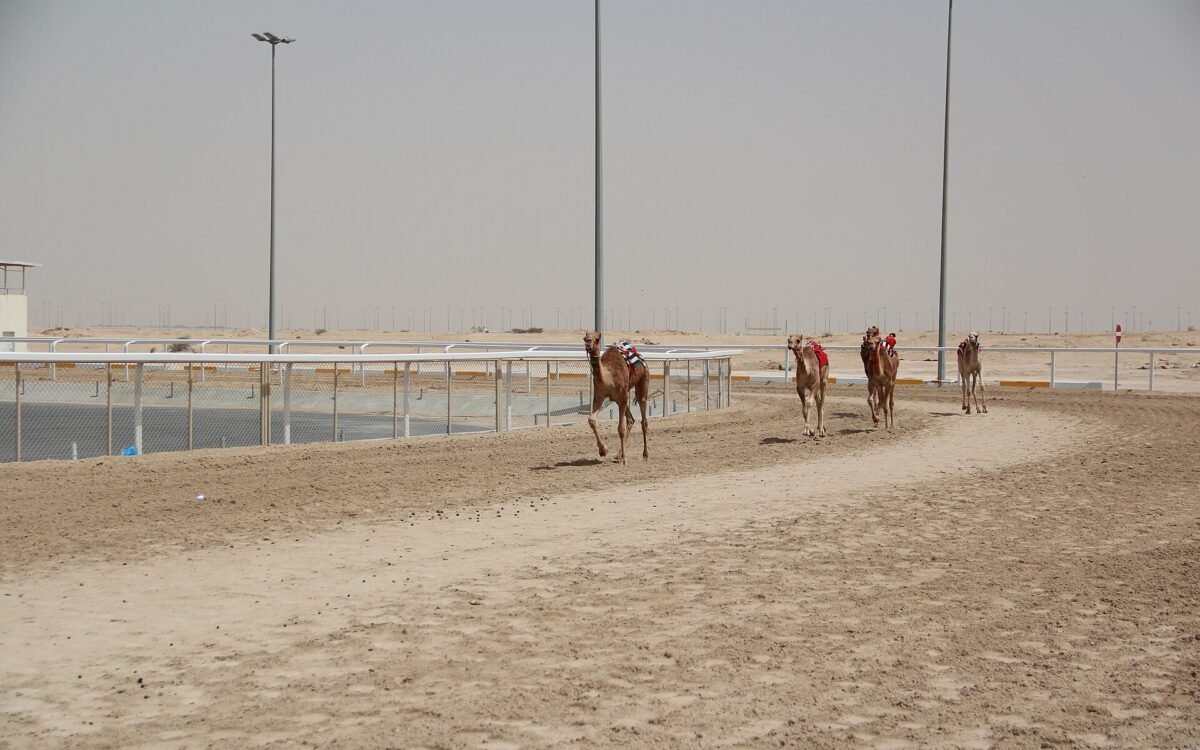
Al Shahaniya Camel Racetrack. A short drive west, Qatar’s main camel track has early-morning racing in season. Watch the races at dawn, then head to the farm for a late breakfast.
Sheikh Faisal Bin Qassim Al Thani Museum. Further along the Dukhan Highway at Al Samriya, this vast private museum makes a good half-day stop for families.
Al Shaqab Equestrian Centre. On your way back into Doha, arrange a tour of Qatar’s flagship Arabian horse stud in Education City.
Dahl Al Misfir. South of the Dukhan Highway in central Qatar, this deep gypsum cave is a good add-on if you are driving and want something adventurous.
Frequently asked questions
Can I visit Heenat Salma Farm without a booking?
It is best not to. Meals, workshops, events and stays are organised by reservation, so call or message the farm before you go.
How do I book a stay at Heenat Salma?
Overnight stays are booked by phone on +974 5096 0007, according to Visit Qatar. Ask about current rates and what is included.
Is Heenat Salma good for children?
Yes. Activities such as sheep milking, pony rides, vegetable picking and tree planting are popular with children, and the farm runs school programmes.
Where is Heenat Salma Farm?
In the Umm Leghab area of Al Shahaniya, west of Doha off the Dukhan Highway, roughly 30 minutes or more from West Bay depending on traffic.
What can I eat at Heenat Salma?
The farm kitchen serves seasonal farm-to-table food, with breakfast, afternoon tea and dinner listed as options. Menus change with the harvest.
When is the date harvest at Heenat Salma?
Visit Qatar lists date harvest participation from June to October.
Last checked October 2026. Hours, fees and access can change, so confirm with the official source before you go.
More places nearby
All places →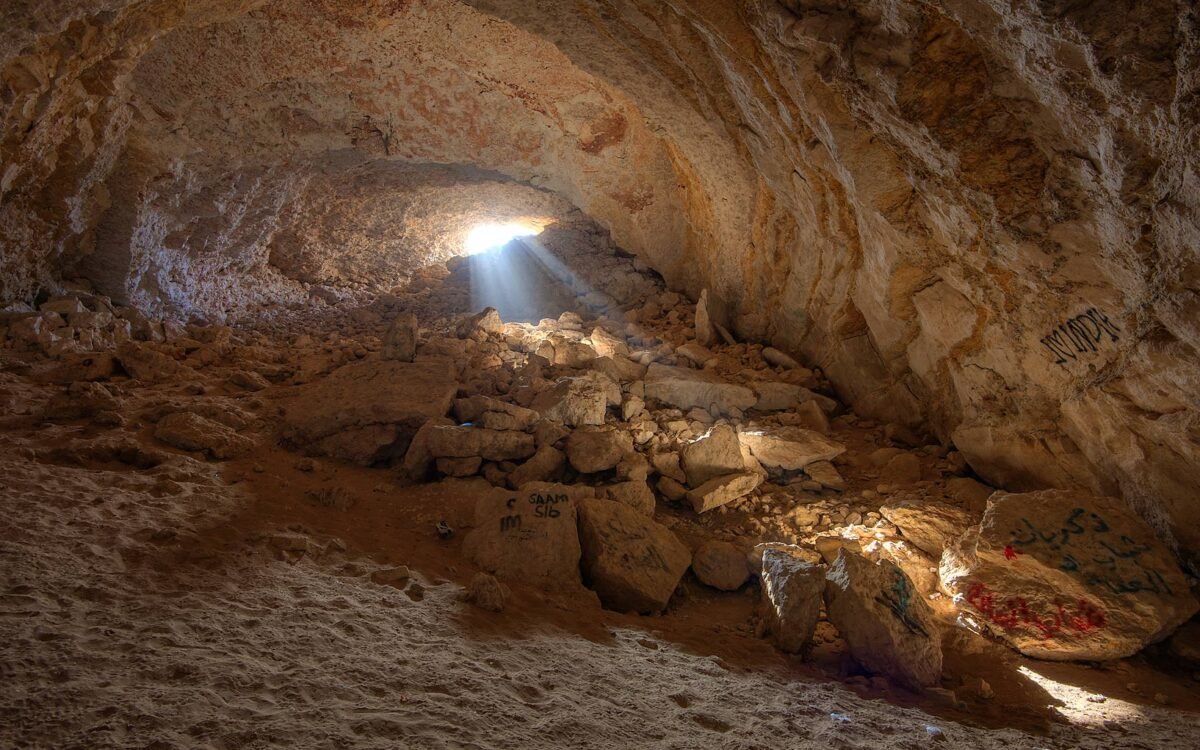

Run a tour, café or stay near Heenat Salma Farm, Al Shahaniya?
List your business free on Companies in Qatar, or get featured on Qatar Unseen in front of people planning their trip.