Fuwairit Beach, Al Shamal
Qatar's top hawksbill turtle nesting beach, closed each spring and summer. When you can visit, what to see and how to leave the turtles in peace.
Fuwairit, Al Shamal (north-east coast)
Overview
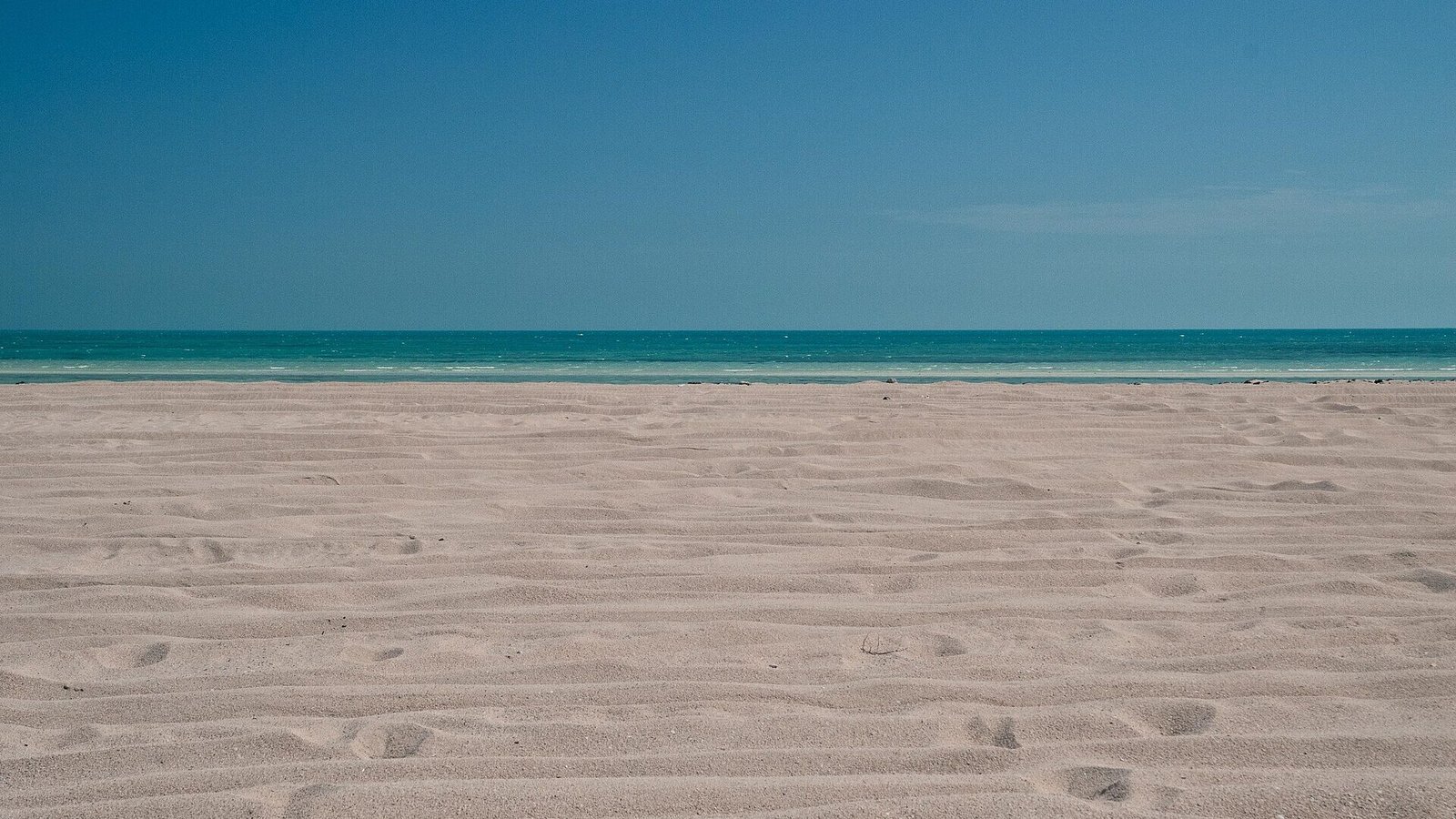
Fuwairit is a long, pale beach on Qatar’s north-east coast, about 80 to 100 km from Doha in the municipality of Al Shamal. The sand is soft and almost white, the water is shallow and clear, and the coast around it mixes open beach with mangroves, low limestone cliffs and a small village with a big place in Qatar’s history.
It is also the country’s most important nesting beach for the critically endangered hawksbill sea turtle. Visit Qatar says Fuwairit hosts close to 30 per cent of all sea turtle nests in Qatar, and in the 2026 season alone the Ministry of Environment and Climate Change recorded 67 nests here and released 3,875 hatchlings from this beach. That shapes everything about a visit: for part of every year, much of the beach is closed so that turtles can nest in peace.
This guide explains how the seasonal closure works, when you can go, what else there is to see along this stretch of coast, and how to visit without disturbing the wildlife. It suits nature lovers, kitesurfers, families looking for a quiet northern beach day in the cooler months, and anyone interested in the early history of the Al Thani family.
History and background
Fuwairit (also spelt Fuwayrit) is a small coastal village, but it has a significant past. According to Wikipedia’s summary of historical sources, the Al Thani family settled here in the late 18th century after moving from Zubarah, and Mohammed bin Thani, who went on to lead the peninsula, was born in Fuwairit. The family moved its base to Al Bidda, the settlement that became Doha, in 1847, the same year as the Battle of Fuwairit, a turning point in the region’s politics.
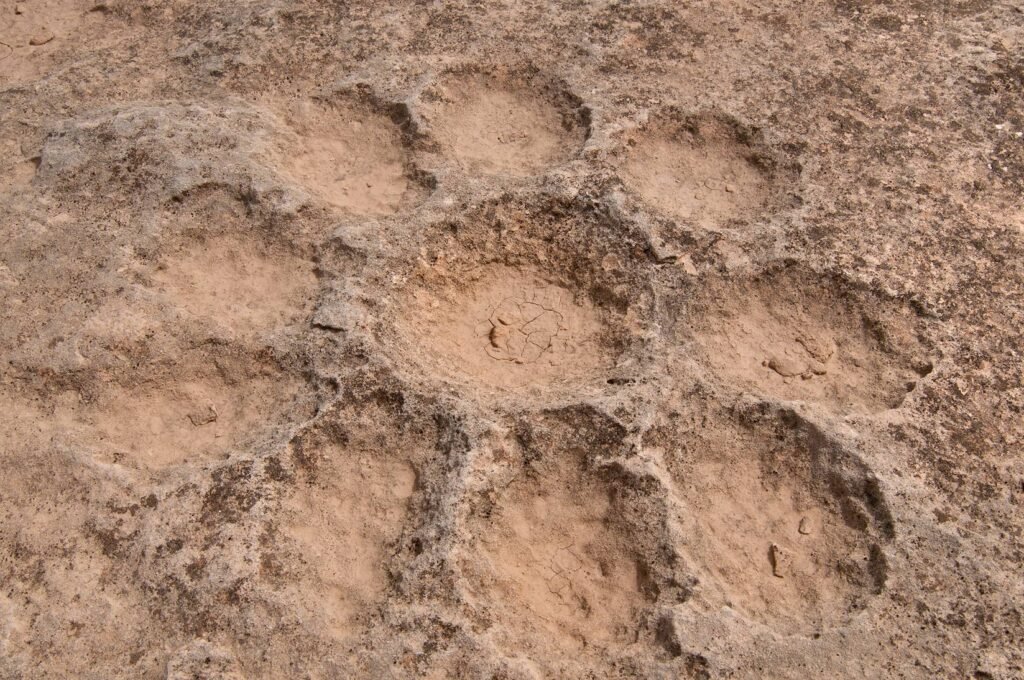
On the rocky ridge of Jebel Fuwairit nearby, the Danish archaeologist Hans Kapel recorded at least 100 rock carvings in 1983, including cup marks, rosettes and shapes that look like boats. One theory is that the ridge served as a lookout over the pearling grounds offshore.
The turtles have been the focus of conservation for more than two decades. Qatar’s hawksbill turtle protection project began in 2003, run by the environment ministry with funding from QatarEnergy (formerly Qatar Petroleum) and research by Qatar University’s Environmental Science Center. Female hawksbills come ashore at night to lay between about 60 and 200 eggs in the sand, and the eggs hatch after roughly two months. Rangers patrol the nesting beaches during the season and move vulnerable nests to safer spots above the tide line. Over the past five years, the ministry says, the programme has released more than 60,000 hatchlings into Qatar’s waters.
To protect the nests, the ministry has closed Fuwairit Beach to the public during the nesting season since at least 2018, under Ministerial Resolution No. 37 of 2010 on the conservation of turtles and seabirds. In 2020 the closure was extended beyond the usual end date for research purposes, and some local guides now describe the main nesting stretch as fenced year-round. Visit Qatar’s current guidance is that the beach closes each spring, with parts of it restricted and a designated area left open for visitors. In 2022 the Fuwairit Kite Beach resort opened on this coast, adding a managed option for water sports.
Understanding the turtle closure
Before anything else, check the calendar. The hawksbill nesting season in Qatar officially runs from 1 April to 1 August, which were the dates the ministry gave for the 2026 season and for earlier closures of Fuwairit. Most nesting happens from April to late June, and hatchlings emerge through the summer.
- 1 April to 1 August: expect the nesting beach to be closed, with fences, signs and ministry patrols. Only a designated area may be open, and night access to nesting zones is not allowed. Plan a different beach for these months.
- August to March: the beach is normally accessible, although fenced or signposted zones can remain. Always follow what is on the ground rather than what you read online.
Rules can change from year to year, so check the latest announcement from the Ministry of Environment and Climate Change before you go, especially in March, April, July and August. To report anyone disturbing nests or turtles, the ministry’s environmental hotline is 998.
What to see and do
A quiet beach day in the cooler months
Outside the nesting season, Fuwairit is one of the most beautiful beaches in the north. Visit Qatar describes powdery white sand and shallow turquoise water, with rocky sections and shell-rich areas along the shore. The water shelves gently, which makes it good for paddling, but there are no lifeguards. There are few or no facilities on the public beach, so bring shade, food and water.
Kitesurfing
Steady winds and flat, shallow water have made this coast one of Qatar’s main kitesurfing spots. The Fuwairit Kite Beach resort, owned by Qatar Airways and operated under Hilton’s Tapestry Collection, has a kite school with instructors, as well as a pool, gym, restaurant and rooms about 30 metres from the shore. Marhaba has listed day passes and lesson packages for non-residents, but prices and hours change, so contact the resort directly. Independent kitesurfers should ask locally about any launch restrictions near the nesting zones.
The mangroves
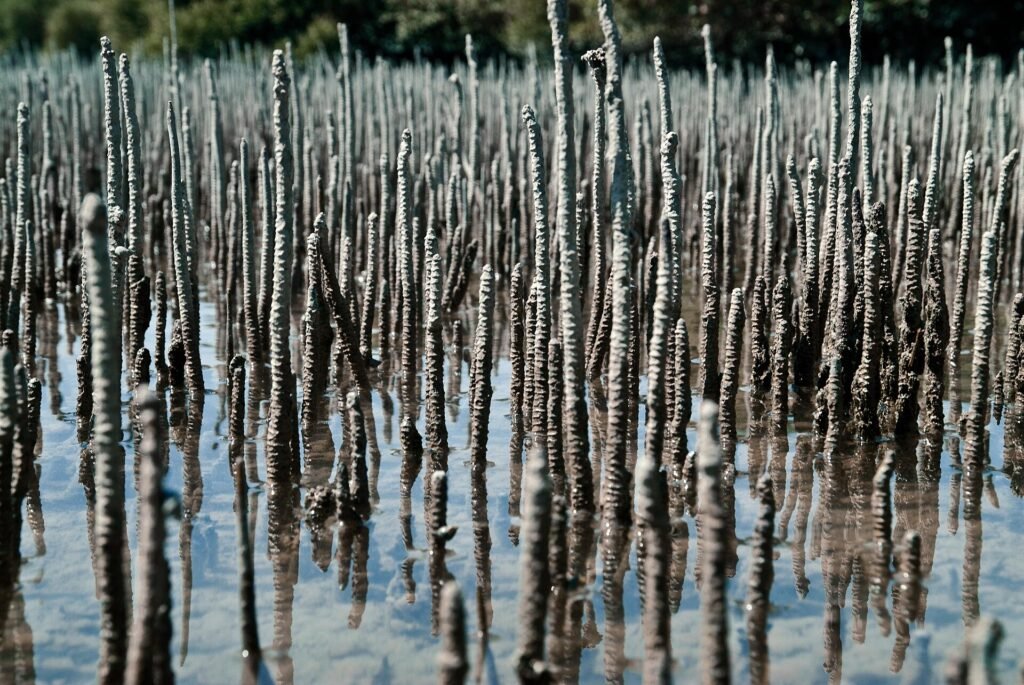
The shoreline around Fuwairit includes stands of grey mangrove, whose pencil-like breathing roots poke up through the mud at low tide. Mangroves are nurseries for fish and crabs and feeding grounds for herons and other waders, and Wikipedia notes more than 50 bird species recorded in the area. Walk along the edge rather than through the roots, and go early in the morning for the best birdwatching.
Jebel Fuwairit and its rock carvings
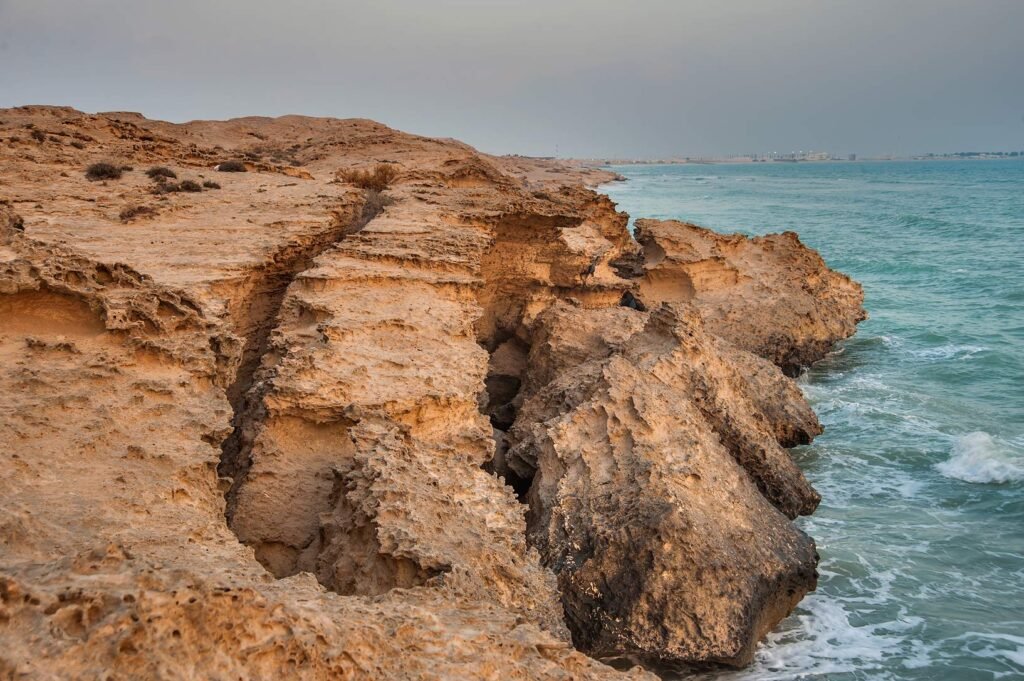
The low limestone ridge of Jebel Fuwairit rises close to the sea, with eroded cliffs and wide views over the coast. Look closely at the flat rock surfaces for the cup marks and rosette patterns cut into the stone. They are fragile and irreplaceable, so don’t walk on them, scratch them or pour water on them to improve a photo. The ridge is also popular with climbers and scramblers, and the stretch of shore beneath it has interesting rock formations.
Turtle hatchlings, the responsible way
Seeing turtles at Fuwairit is special, but it has to be done on the turtles’ terms. In some past seasons, Qatar Museums has run small, supervised evening visits for Culture Pass members to watch nesting and hatching at Fuwairit. If an organised programme like this is offered, it is the only proper way to see turtles on this beach. Never enter a fenced nesting area, never use lights or flash near turtles or nests, and never touch or pick up hatchlings.
The old village
Fuwairit village is small and quiet, but it is worth a slow drive through to see where the Al Thani family’s story in Qatar begins. It is a residential area, so be respectful when taking photos.
How to get there
Fuwairit is on the north-east coast, about 80 to 100 km from Doha depending on where you start. Visit Qatar puts the drive at roughly 1.5 to 2 hours.
- From Doha, take Al Shamal Road (the main highway north) past Al Khor.
- Take the exit signposted for Fuwairit and Al Ghariya, and follow the road east towards the coast.
- Continue to Fuwairit village and the beach area. The map pin on this page uses Visit Qatar’s coordinates for the beach (26.0569, 51.3557).
The main roads are paved. Near the shore, some access tracks are sandy, so park on firm ground if you are in an ordinary car and walk the last stretch. Never drive onto the beach itself: vehicles compact the sand, crush nests and are banned from nesting areas.
There is no public transport to Fuwairit. A taxi or ride-hailing car from Doha is expensive and you would need to arrange the return in advance, so drive yourself or book through the Kite Beach resort if you are staying there.
Best time to visit
October to March is the best time for a beach day. The weather is comfortable, the nesting season is over, and winter winds make it prime time for kitesurfing. From 1 April to 1 August, the nesting beach is closed, so plan to go elsewhere. August and September are open but extremely hot and humid.
Weekends in the cooler months are the busiest, with campers and day-trippers on the northern coast, so a weekday visit is much quieter. For birds and mangroves, go early in the morning. For the soft, low light on the white sand, go in the late afternoon.
Tips for your visit
- Check the season first. If it is April to July, assume the beach is closed. In March and August, check for the latest announcement.
- Obey every fence and sign. Nesting zones can stay marked outside the season too.
- Keep vehicles off the sand. Driving on the beach crushes nests and is not allowed in nesting areas.
- Keep it dark at night. Lights disorient nesting females and hatchlings. If you are on the coast after dark, use a red light and point it at the ground.
- Take all your rubbish home. Plastic bags and fishing line kill turtles. Pick up any you find.
- Don’t dig in marked areas. Leave any tracks or disturbed sand you see alone and report it on 998.
- Bring everything. Facilities are very limited on the public beach, so pack water, food and shade.
- Protect the carvings. On Jebel Fuwairit, keep off the carved surfaces and don’t add marks of your own.
What to bring
- Plenty of water and a picnic
- A beach umbrella or pop-up shade
- Reef-safe sunscreen, a hat and sunglasses
- Water shoes for rocky and muddy sections
- Binoculars for birds in the mangroves
- A red-light torch if you stay after dark
- Rubbish bags, including one for litter you find
Combine it with nearby places
Al Ghariya Beach. A short drive north, Al Ghariya has a long, shallow beach, an abandoned village and more rock carvings on Jebel Ghariya. Some turtles nest there too.
Al Jassasiya Rock Carvings. A short drive south of Fuwairit, this limestone ridge holds Qatar’s largest collection of petroglyphs, including many carvings of boats. Qatar Museums currently lists the site as temporarily closed, so check before you go.
Al Jumail Abandoned Village. On the north-west coast near Al Ruwais, this ruined pearling village with its lone minaret makes a good second stop on a day spent exploring the north.
Al Ruwais. The small fishing port at the northern tip of Qatar is the place for fuel, a snack and a look at the harbour before heading home.
Al Khor. On the drive back south, stop at the Al Khor corniche or the Al Thakira mangroves for an evening walk.
Frequently asked questions
When is Fuwairit Beach closed?
During the hawksbill turtle nesting season, which the environment ministry sets from 1 April to 1 August. Visit Qatar says parts of the beach are restricted and a designated area may remain open, but you should expect the main nesting beach to be off limits. Check the latest ministry announcement before you go.
Can I see turtles at Fuwairit?
Only with care and ideally with an organised, supervised programme. Nesting happens at night in closed areas, and disturbing turtles or nests is prohibited. Qatar Museums has run supervised turtle-watching visits in past seasons, so watch for announcements.
Is Fuwairit good for kitesurfing?
Yes. It is one of Qatar’s best-known kitesurfing spots, with steady wind and shallow, flat water. The Fuwairit Kite Beach resort runs lessons and rents equipment.
Are there facilities on the beach?
Very few on the public beach. Bring your own water, food and shade. The Kite Beach resort has a restaurant, pool and other facilities for guests and day visitors.
Can I camp at Fuwairit?
Visit Qatar lists camping among the activities here, but never camp in or near turtle nesting areas or during the nesting season, and follow the environment ministry’s seasonal camping rules for the coast.
Which municipality is Fuwairit in?
Al Shamal, on Qatar’s north-east coast, between the Al Khor area to the south and Al Ghariya to the north.
Last checked October 2026. Hours, fees and access can change, so confirm with the official source before you go.
More places nearby
All places →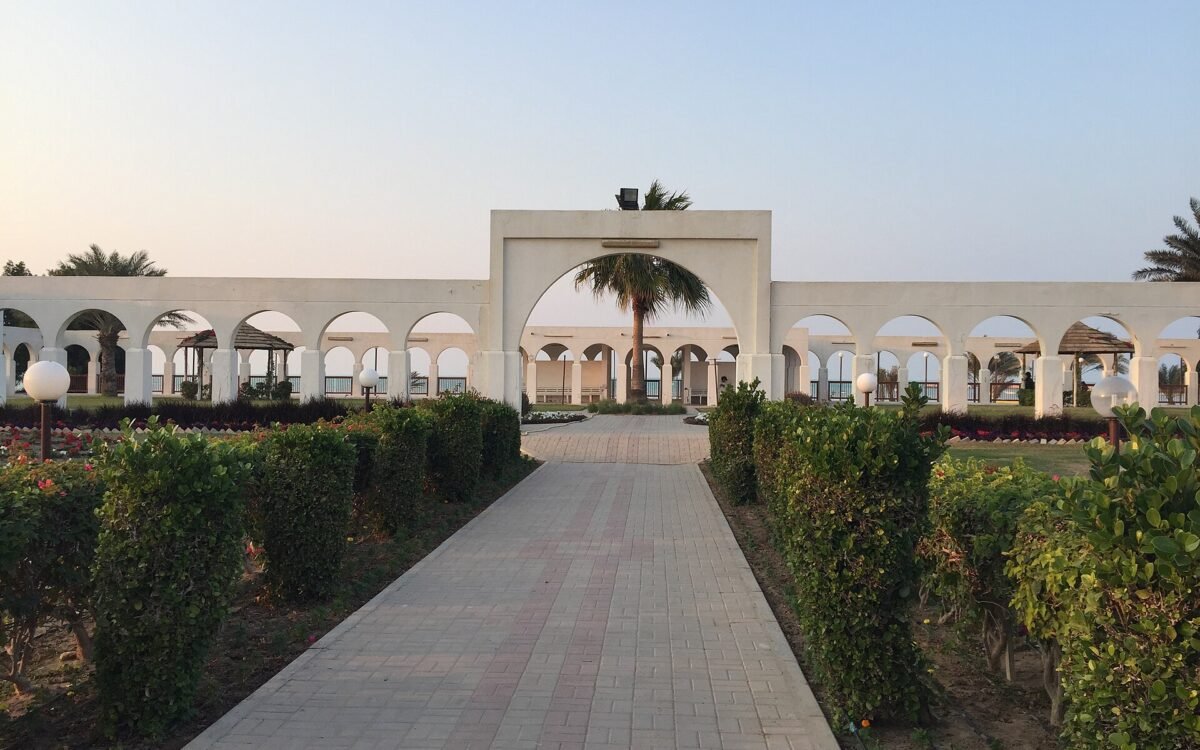 Beaches & IslandsAbu Dhalouf Park and Bahar Mosque, Al ShamalAl Shamal & Zubarah
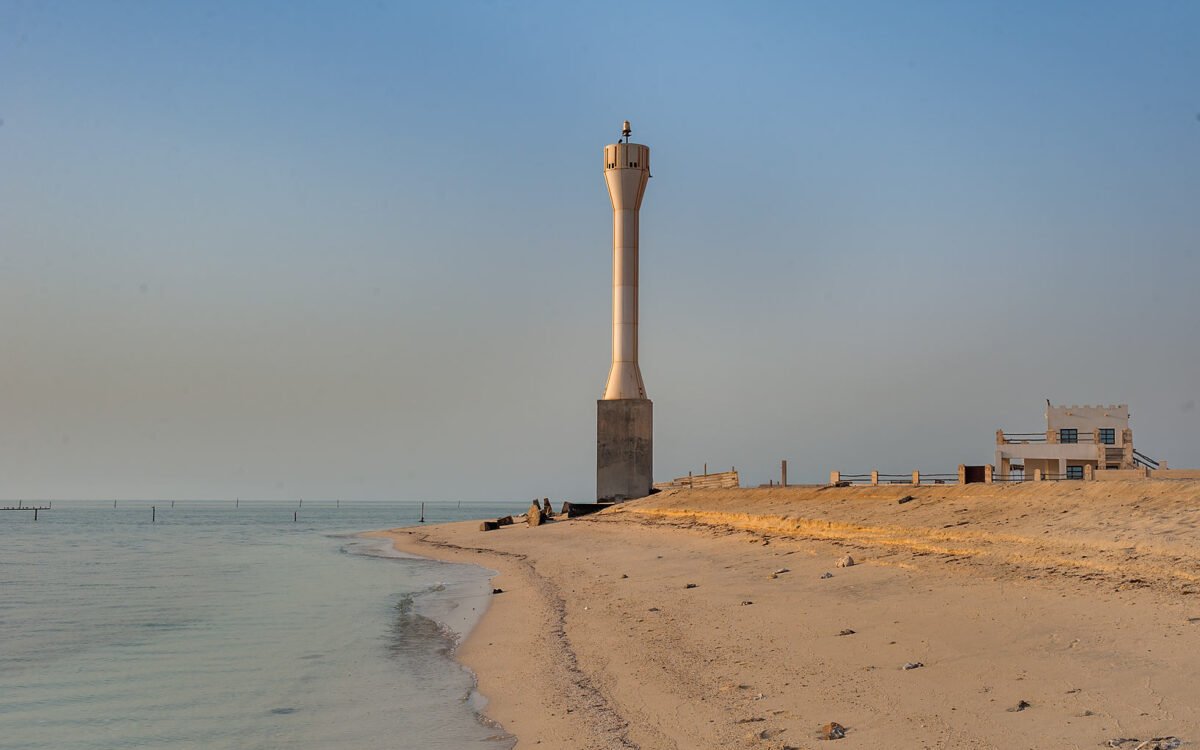 Beaches & IslandsAl Ghariya Beach, Al ShamalAl Shamal & Zubarah
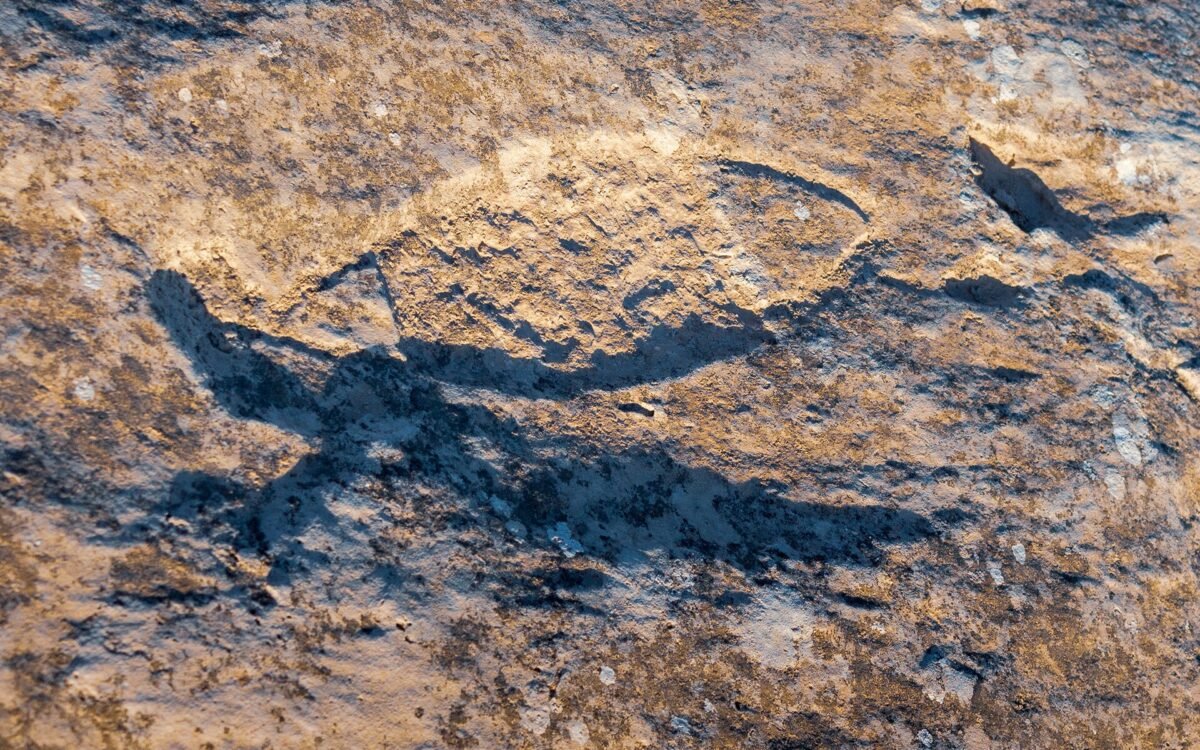 Heritage & FortsAl Jassasiya Rock Carvings, Al ShamalAl Shamal & Zubarah
Run a tour, café or stay near Fuwairit Beach, Al Shamal?
List your business free on Companies in Qatar, or get featured on Qatar Unseen in front of people planning their trip.