Abu Dhalouf Park and Bahar Mosque, Al Shamal
A calm seafront park with a white arcade, play area and sunset views, plus a restored 1940 mosque, in a small pearling-era town near Al Ruwais.
Abu Dhalouf seafront, west of Al Ruwais (north coast)
Overview
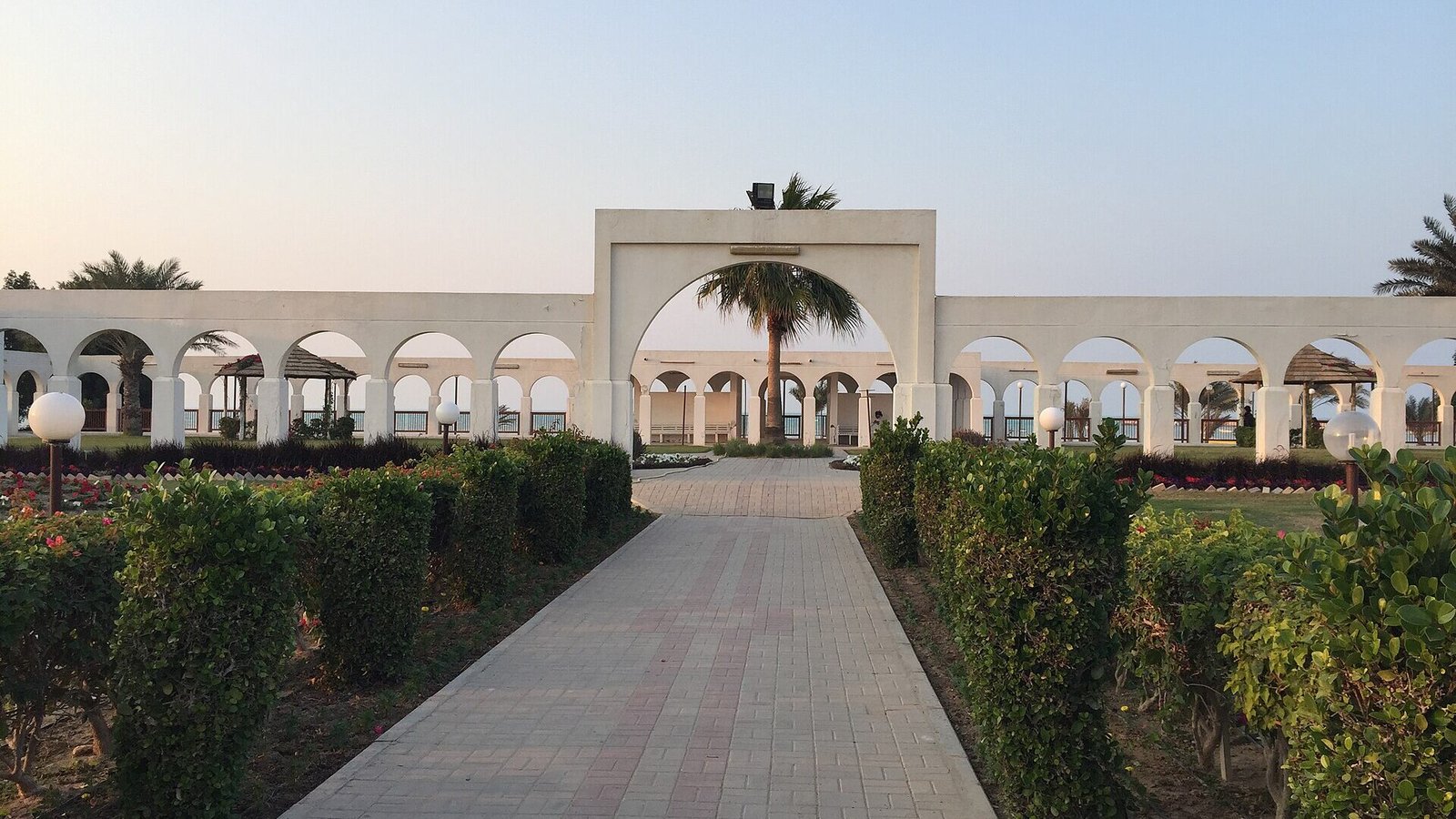
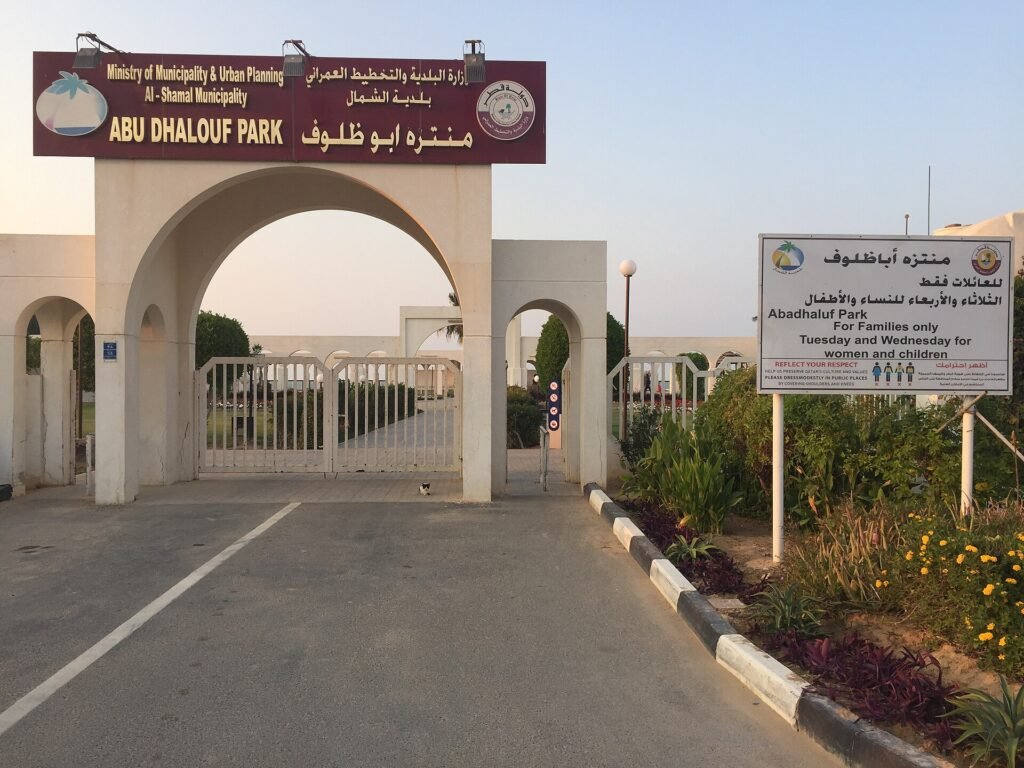
Abu Dhalouf is a small seaside town on Qatar’s north coast, just west of Al Ruwais and close to the country’s northern tip. Most visitors know it for Abu Dhalouf Park, a neat seafront park with lawns, a children’s play area and a long white arcade facing the Gulf, and for the Bahar Mosque, a 1940s village mosque restored by Qatar Museums. Around them, the town has the unhurried feel of the far north, with fishing boats, low houses and a shoreline that turns gold in the late afternoon.
It is not a big-ticket attraction, and that is the point. Abu Dhalouf is where you stop on a north-coast day to stretch your legs, let children play, have a picnic or barbecue by the water and watch the light change over the sea. Families from Al Shamal use the park in the evenings, and it makes a calm counterpoint to the heritage sites and abandoned villages nearby.
This guide is for families, road-trippers on a north-coast loop and anyone who wants a gentle, local experience rather than a sight to tick off. We look at the town’s pearling-era past, what the park offers, how to find the mosque and how to string Abu Dhalouf together with Al Ruwais, Al Jumail and Al Mafjar.
The story behind Abu Dhalouf
The name is usually explained as a combination of abu, “father”, and a word linked to dhalfa, part of a camel saddle. According to local oral tradition, the town was founded by the Al Mannai tribe after they moved here from Al Yusufiyah, a settlement inland where they had built a fort, Qal’at Al Yusufiyah, in 1738.
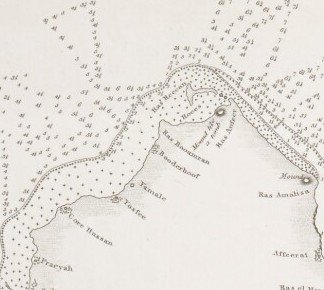
Like its neighbours, Abu Dhalouf lived from the sea. In the 1820s, the British surveyor George Barnes Brucks recorded around 50 inhabitants here. By 1908, J. G. Lorimer’s Gazetteer of the Persian Gulf counted about 70 families of the Al Mannai, who owned 20 pearling boats. The pearling seasons took the men out to the oyster banks for months each summer, while the town’s families managed fishing, water and trade on shore. Its appearance on the 1824 British survey map of the Qatar peninsula shows how long this stretch of coast has been mapped and settled.
The collapse of the pearl trade in the 1930s and the arrival of oil wealth transformed life here, as everywhere in Qatar. Estimates from around 1950 still describe about 200 Al Mannai family tents in the area, but over the following decades the town modernised. Its first formal school opened in 1957, and today Abu Dhalouf is part of the Al Shamal municipality, with new housing alongside older buildings.
The Bahar Mosque, opened in 1940, is the town’s best-known historic building. Qatar Museums’ conservation team has restored it as part of a programme of work on old mosques in the north, including the famous mosque at Al Ruwais. The seafront park was renovated in 2016 at a cost of about QR 12.5 million after residents complained that it had become run-down, and in 2017 Al Shamal Municipality added solar-lit shaded structures to the beaches at Abu Dhalouf and Al Ruwais.
What to see and do
Walk the seafront arcade
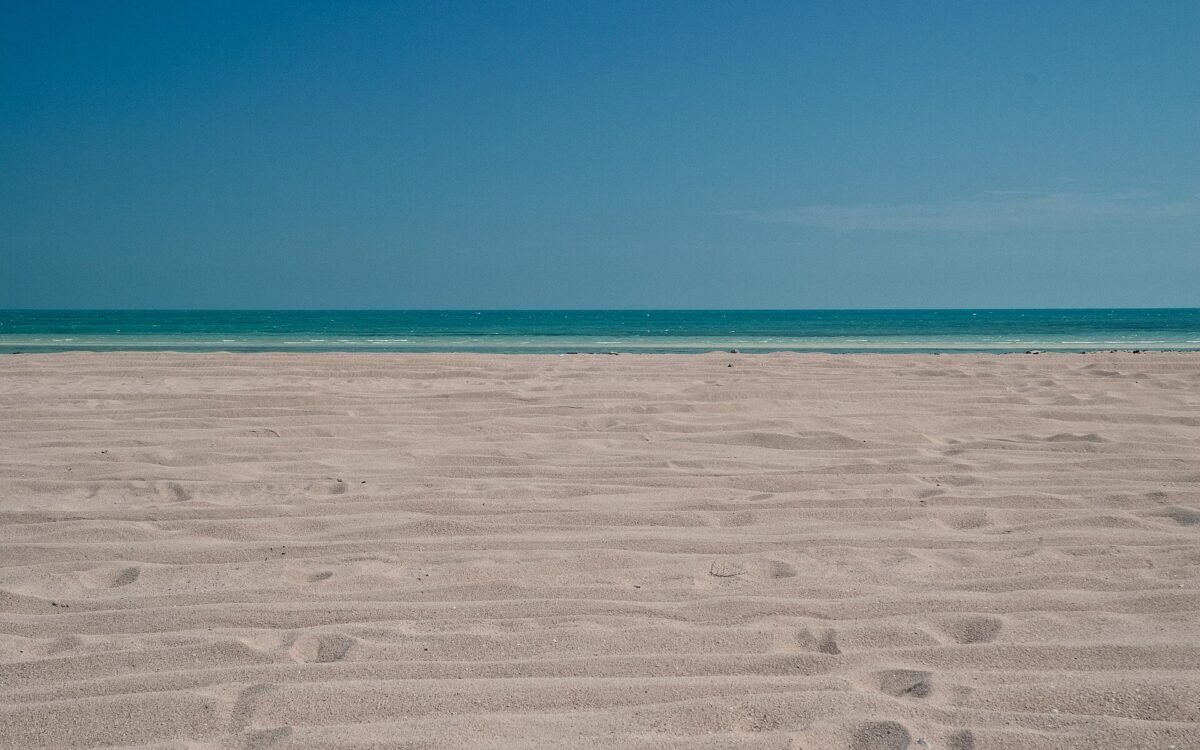
The park’s white arched arcade faces the sea and gives welcome shade on a warm afternoon. Walk its length, then step out to the water’s edge. The coast here faces north over the Gulf, with fishing boats moving in and out of Al Ruwais just to the east and a clean horizon in front of you.
Let children loose in the play area
The park has lawns and a children’s play area, which makes it one of the easiest family stops in the far north. On weekday mornings it is usually very quiet; in the evenings and at weekends local families arrive with picnics. It is a safe, enclosed space for younger children to run around after a long drive.
Picnic or barbecue by the water
Visitors report that barbecuing is allowed along the corniche-style stretch by the sea. Bring your own food, a portable grill and seating, and set up on the paved or sandy areas rather than the lawns. Clear up thoroughly afterwards; the municipality and local families take pride in the park.
Swim or paddle
There is beach access for swimming, and the water along this coast is usually shallow and calm. There are no lifeguards, so supervise children closely and wear water shoes, as the bottom can be rocky in places.
Find the Bahar Mosque
The Bahar Mosque, a modest building from 1940 restored by Qatar Museums, is a small but genuine piece of the town’s pearling-era heritage. It is a place of worship, so visit respectfully: dress modestly, avoid prayer times and ask before going inside. Even seen from outside, its simple lines and traditional materials make an interesting comparison with Al Ruwais Mosque nearby.
Watch the evening light
Visitors single out the park as a good spot for sunset. In winter the sun sets to the west along the coast, washing the arcade and the sea in warm light. Stay on for a while after sundown, when the lights come on and families gather for the evening.
How to get there
From Doha, take the Al Shamal Road north for about 100 km to its end near Madinat ash Shamal and Al Ruwais. Follow the local roads towards the coast and Abu Dhalouf, just west of Al Ruwais; the map pin on this page is set on the park. The trip is roughly 105 to 110 km and takes around an hour and a quarter in good traffic.
The route is paved all the way and any car will do. There is parking near the park entrance. Public transport is impractical for a day trip from Doha, so plan to drive or join a north-coast tour.
Best time to visit
November to March is the most pleasant time for an outdoor visit, with comfortable temperatures all day. In the hot months, come early in the morning or after sunset, when the park’s lights and sea breeze make evenings bearable.
Late afternoon is the best time of day: the arcade is in shade, the light is soft and you can stay for sunset. Weekday mornings are very quiet; Thursday evenings and weekends are livelier with local families.
Tips for your visit
- Bring supplies. Reviewers note there are no grocery shops within walking distance. Stock up in Madinat ash Shamal or Al Ruwais.
- Respect the park. Keep barbecues off the grass, use bins and take extra rubbish home.
- Dress modestly. This is a local family park in a small town; cover shoulders and knees away from the water.
- Visit the mosque outside prayer times. Be quiet and respectful, and ask before entering.
- Supervise swimmers. There are no lifeguards, and the seabed can be rocky.
- Combine stops. Abu Dhalouf works best as one part of a north-coast day rather than a destination on its own.
What to bring
- Picnic food, drinks and a cool box
- Portable barbecue if you plan to grill
- Folding chairs or a picnic rug
- Swimwear, towels and water shoes
- Sunscreen and hats
- Modest clothing for the mosque
Combine it with nearby places
Al Ruwais Mosque and Old Port. Just east of Abu Dhalouf, with a historic mosque restored by Qatar Museums and the harbour that still serves fishing boats.
Al Jumail Abandoned Village. An evocative empty pearling village with a mosque and minaret, a short drive to the south-west.
Al Mafjar Beach. Clear shallows, mangroves and the islets of Umm Tais National Park on the northern tip, east of Al Ruwais.
Al Khuwayr Abandoned Village. Seaside ruins of the old raider’s base of Khor Hassan, further west along the coast.
Al Zubarah Fort and Archaeological Site. Qatar’s UNESCO World Heritage Site, around half an hour’s drive to the south-west.
Frequently asked questions
Where is Abu Dhalouf?
Abu Dhalouf is a small town on the north coast of Qatar in Al Shamal municipality, just west of Al Ruwais and about 105 to 110 km from Doha.
Is Abu Dhalouf Park free?
We found no entry fee reported for the park. It is a public municipal park.
Can you barbecue at Abu Dhalouf Park?
Visitors report that barbecuing is allowed along the seafront stretch. Keep grills off the lawns and clean up afterwards.
What is the Bahar Mosque?
A historic village mosque in Abu Dhalouf that opened in 1940 and has been restored by Qatar Museums.
Can you swim at Abu Dhalouf?
Yes, there is beach access with usually calm, shallow water. There are no lifeguards, so swim with care.
Is it worth the drive from Doha?
On its own it is a modest stop, but as part of a day on the north coast with Al Ruwais, Al Jumail, Al Mafjar or Al Zubarah it is a relaxing place to end the day.
Last checked October 2026. Hours, fees and access can change, so confirm with the official source before you go.
More places nearby
All places →
Run a tour, café or stay near Abu Dhalouf Park and Bahar Mosque, Al Shamal?
List your business free on Companies in Qatar, or get featured on Qatar Unseen in front of people planning their trip.