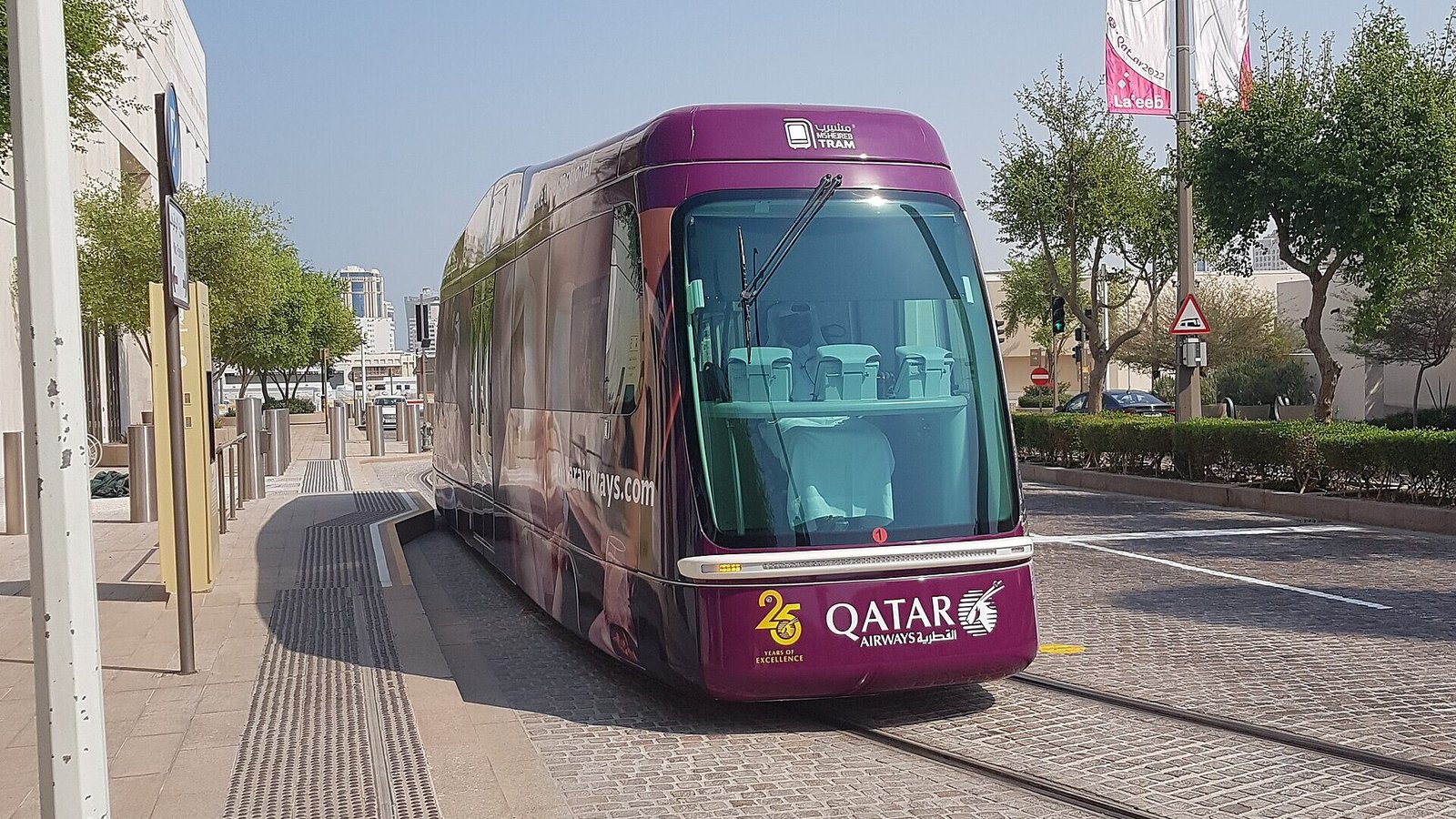
Msheireb Tram Heritage Loop, Msheireb Downtown Doha
Use Msheireb’s free tram as the spine of a heritage walk: nine stops, four museum houses, Doha’s first lit street and the edge of Souq Waqif.
Msheireb Downtown Doha (next to Msheireb metro, south-west of Souq Waqif)
Overview
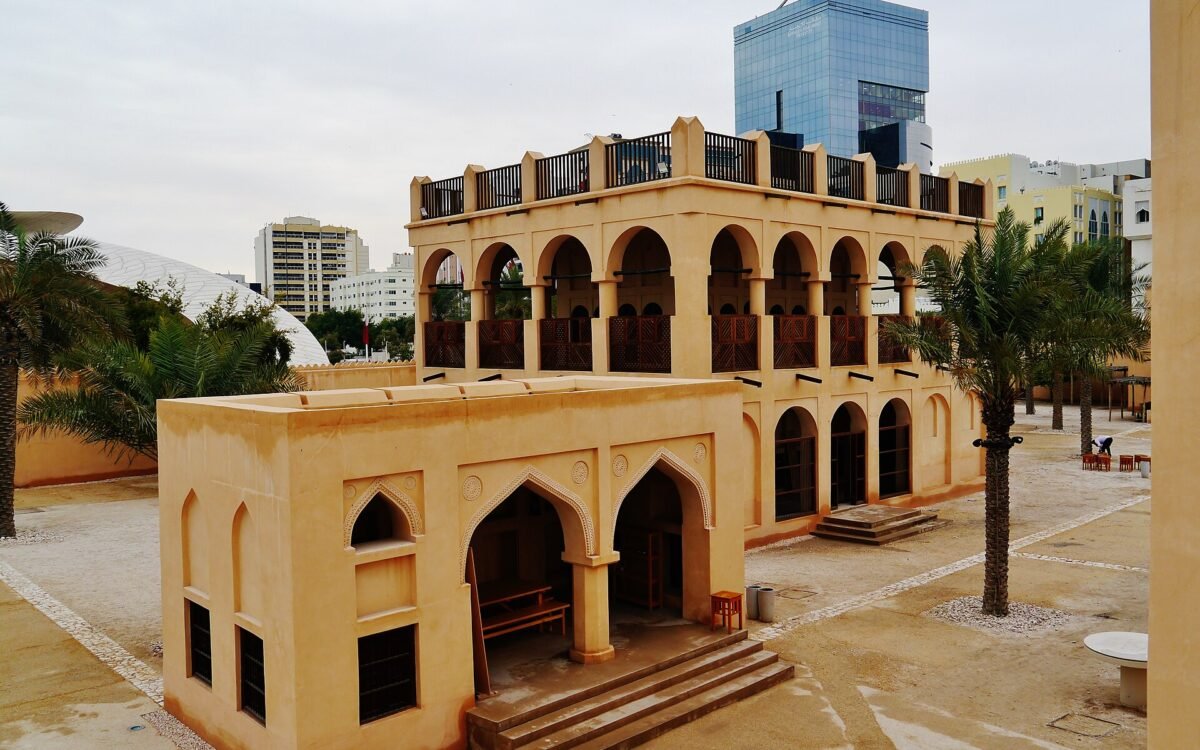
A few streets south of Souq Waqif, Msheireb Downtown Doha has replaced one of the city’s oldest neighbourhoods with a quarter of cream-coloured, shaded streets, courtyards and modern buildings inspired by traditional Qatari design. Running through it is the Msheireb Tram, a small, free, catenary-free tram that loops around the district in about 18 minutes. Most people use it as a novelty ride. This guide shows you how to use it as the spine of a heritage walk.
The idea is simple. Ride the full loop once to get your bearings, then hop off at the stops near the places that tell Msheireb’s story: the restored heritage houses, the old electricity street, the big public square and the edge of Souq Waqif. Between stops you walk, look up at the architecture and read the district as a piece of urban history, from palm gardens and wells to a 21st-century rebuild.
It is a good half-day for first-time visitors who have already seen the souq, for families who want an easy, air-conditioned way around in the heat, and for anyone interested in how Doha has tried to rebuild its old centre. Everything on this route is free.
The story behind Msheireb
Msheireb, also spelt Mushayrib, is among Doha’s oldest districts. In the early 20th century the British official J.G. Lorimer recorded it as the place where the town of Al Bidda drew its water, though he noted that it was brackish and scanty. The area also held date palm gardens, and the shallow valley of Wadi Msheireb ran through it towards the sea, which is why the old market of Souq Waqif grew up on its banks.
As Doha modernised in the mid-20th century, Msheireb became a busy commercial and residential quarter. Al Kahraba Street, whose name means “electricity”, is remembered as the country’s first fully lit street. In later decades many Qatari families moved to newer suburbs and much of the old building stock aged badly.
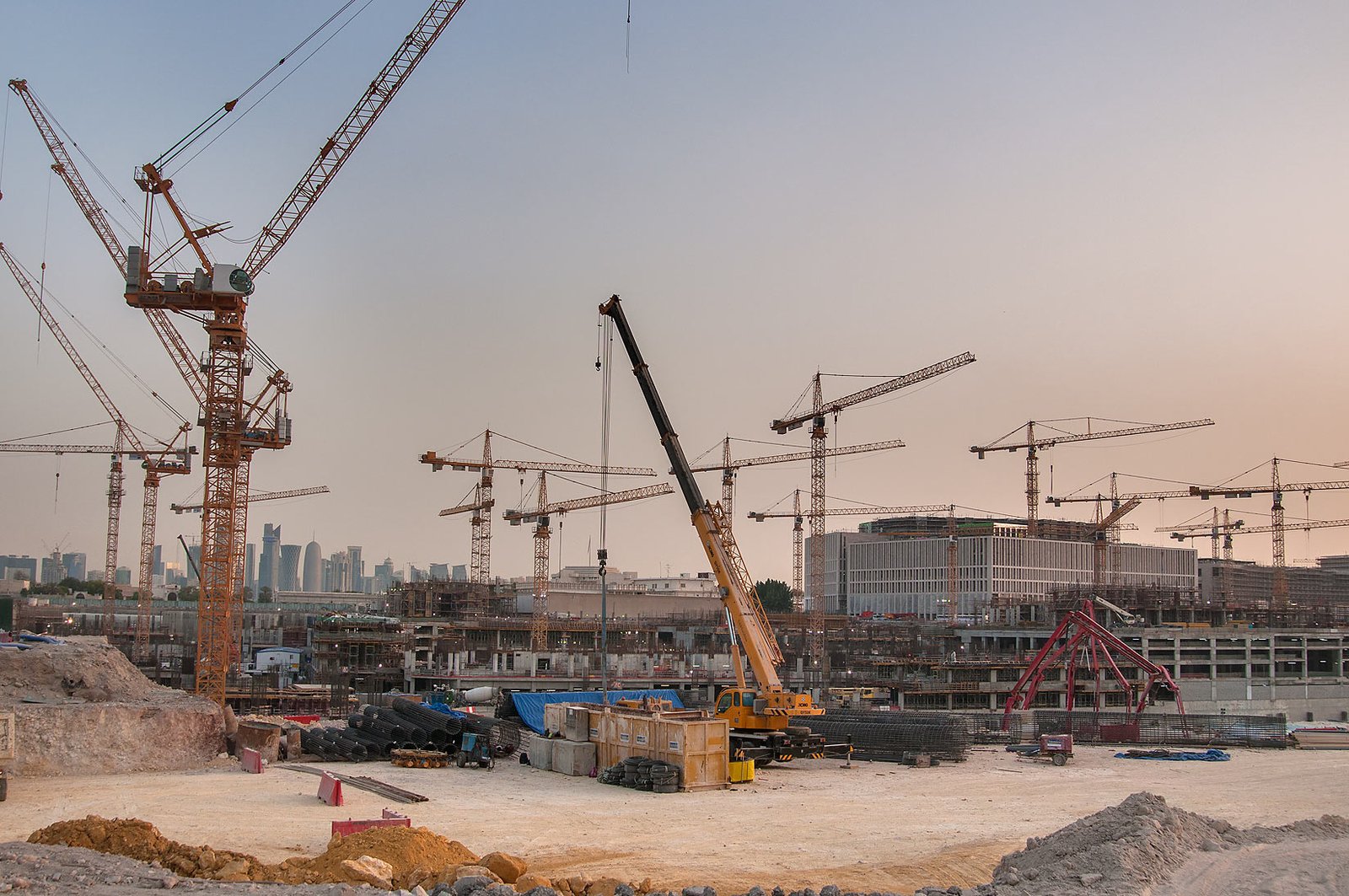
In January 2010 Msheireb Properties, a subsidiary of Qatar Foundation, launched the Msheireb Downtown Doha project to rebuild the area. According to Wikipedia, the scheme covers 31 hectares, was built in phases and is valued at around US$5.5 billion. Most of the old fabric was cleared, but four historic houses were restored as the Msheireb Museums, and the new buildings borrow from traditional forms such as narrow shaded lanes, courtyards and screened windows. Msheireb metro station, where the Red, Green and Gold lines meet, opened in May 2019, and the tram began running on 30 December 2019.
What to see and do
Ride the full loop first
Board at any stop and stay on for the whole circuit. Wikipedia lists nine stops: Sahat Al Nakheel, Wadi Msheireb, Galleria, Msheireb Prayer Ground, Heritage Quarter, Al Baraha, Sahat Al-Masjid, Al Kahraba Street and Al Mariah Street. The trams are compact, air-conditioned and, according to Marhaba, have 33 seats and Wi-Fi. A full loop takes about 18 minutes and gives you a mental map of the district before you start walking.
Hop off at Heritage Quarter for the Msheireb Museums
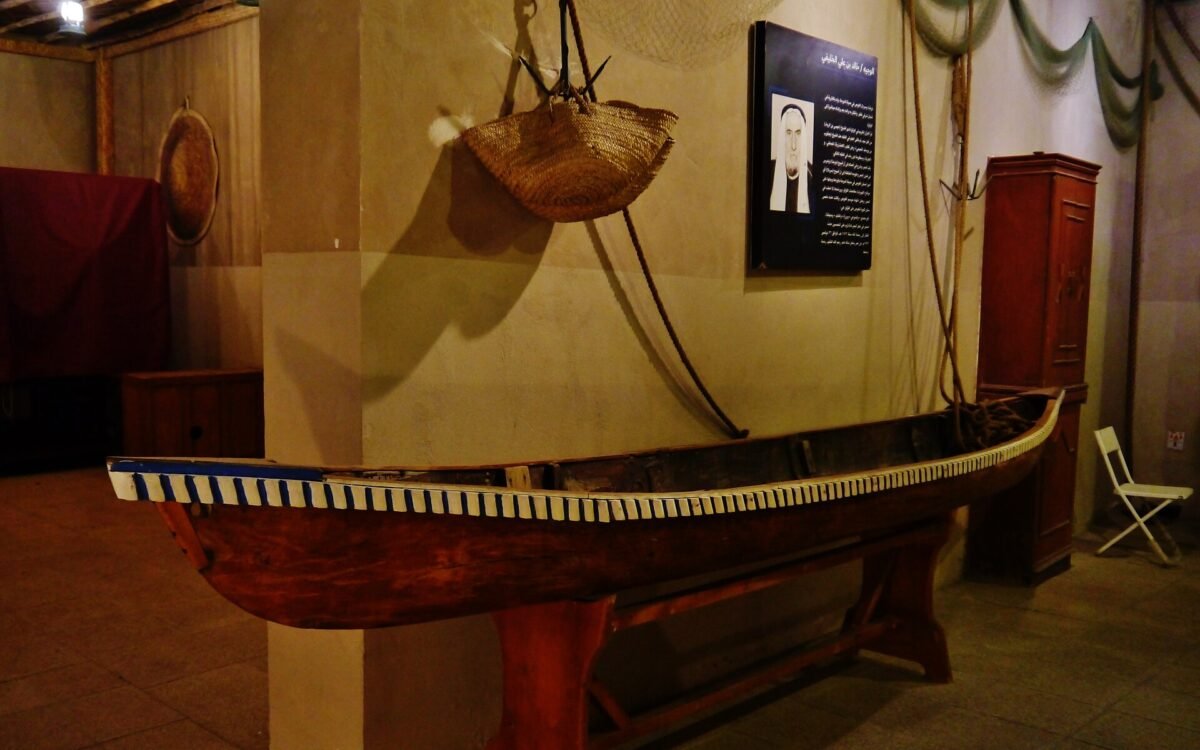
The Heritage Quarter stop is next to the four restored houses that make up the Msheireb Museums: Bin Jelmood House, on the history of slavery; Company House, on the first Qatari oil workers; Mohammed Bin Jassim House, on the district’s architecture and rebuild; and Radwani House, on traditional family life. Qatar Living lists free entry and opening hours of 9am to 5pm on Saturday and Monday to Thursday, 3pm to 9pm on Friday, and closed on Sunday. If you only have time for one, choose the house whose story interests you most and give it 45 minutes.
Walk Al Kahraba Street
Get off at the Al Kahraba Street stop and walk the street that once carried Doha’s first electric street lights. Today it is lined with cafés and shops in the new buildings, but the name keeps the memory of the moment modern services arrived in Qatar. Look at how the new facades use deep window reveals and shaded walkways to keep pedestrians cool.
Stand in Barahat Msheireb
Al Baraha stop serves Barahat Msheireb, the district’s main public square, next to the Mandarin Oriental hotel. “Baraha” refers to an open space in a traditional neighbourhood where people gathered, and this modern version plays the same role, hosting events, markets and evening crowds in the cooler months. It is a good place to sit and look at the architecture around you.
Read the architecture
Msheireb was designed as a modern take on the Qatari town, and once you know what to look for you see it everywhere. Streets are narrow and oriented to catch breezes and throw shade. Buildings are light in colour to reflect the sun. Windows are deep-set or screened, echoing the privacy of traditional houses, and many buildings have courtyards and shaded colonnades at street level. Compare this with the glass towers of West Bay and you will understand the argument the district is making about how a Gulf city could be built.
Look for public art
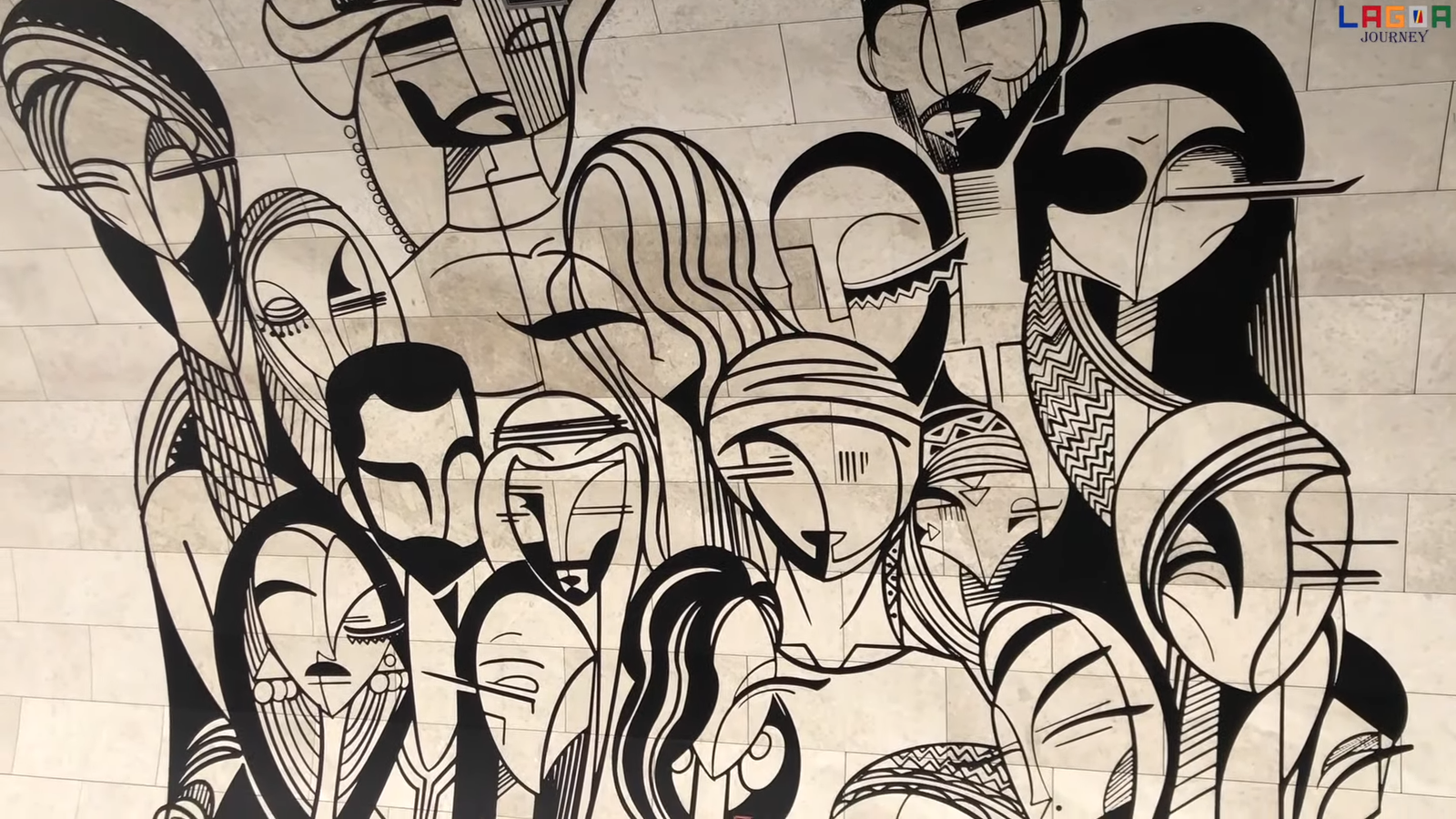
Msheireb has a growing collection of murals and public art on its walls and in its courtyards. They change over time, so treat them as a treasure hunt as you walk between stops.
Finish at the edge of Souq Waqif
The Galleria stop is close to the underpass that links Msheireb with Souq Waqif. Walk through and you move from the new downtown into the restored old market in a couple of minutes, which is a neat way to see how two very different approaches to heritage sit side by side.
A suggested afternoon route
- 4pm, Wadi Msheireb stop. Arrive by metro and board the tram as the afternoon service begins. Ride the full loop.
- Heritage Quarter. Get off and spend about an hour in one or two of the museum houses before they close at 5pm (except on Friday, when they open from 3pm to 9pm).
- Al Kahraba Street. Walk or ride on to the old electricity street for coffee and a look at the architecture.
- Al Baraha. Spend sunset in Barahat Msheireb as the square fills up.
- Galleria. Take the tram back round and walk through the underpass into Souq Waqif for dinner.
What first-timers get wrong
The most common mistake is arriving in the early afternoon and finding the tram not running. The service stops between noon and 4pm, and the museums are closed all day on Sunday, so a Sunday afternoon visit is the worst possible timing.
The second is treating the tram as the attraction rather than the transport. The ride is pleasant but short; the value is in what you get off to see.
The third is skipping the museums because they look small from outside. The houses are bigger inside than they appear, and the stories they tell, especially in Bin Jelmood House, are among the most powerful in any Doha museum.
How to get there
Msheireb Downtown Doha is in the centre of the city, immediately south-west of Souq Waqif.
By metro: Msheireb station is the interchange for the Red, Green and Gold lines, and the Wadi Msheireb tram stop is right beside it. This is by far the easiest way to arrive.
By car: There is underground parking throughout the district. Signs direct you to the car parks from the surrounding roads.
On foot: From Souq Waqif, walk through the underpass near the western side of the souq, or simply cross into the district from the south of the market.
Best time to visit
Check the tram timetable first. Marhaba lists the tram as running Saturday to Thursday from 9am to noon and from 4pm to 9pm, and on Friday from 4pm to 9pm, with the last departure 15 minutes before closing and a tram roughly every six minutes. The midday gap is the key thing to plan around.
From November to March, a late-afternoon start works best: ride the tram as it restarts at 4pm, visit a museum house before closing, then enjoy the square and Al Kahraba Street in the evening. In summer, the morning session is better for the museums, and the tram and shaded streets make the district more bearable than most of Doha. Note that the museums close on Sundays.
Tips for your visit
- The tram is free; you don’t need a ticket or a card.
- Plan around the tram’s midday break, from noon to 4pm.
- Check museum opening days: closed on Sunday, afternoon-only on Friday.
- Wear comfortable shoes; the walk between stops is short but adds up.
- Carry water in the warmer months, though there are plenty of cafés.
- Dress modestly, especially if you plan to visit the museums or the souq.
- Give priority seats on the tram to older passengers and families with young children.
What to bring
- Comfortable walking shoes
- A water bottle
- Sunglasses and a hat for walking between stops
- A light layer for air-conditioned museums
Combine it with nearby places
Souq Waqif. Walk through the underpass into the old market for spices, perfume and the Falcon Souq.
Horse Stables & Camel Pen. On the western side of Souq Waqif, a short walk from Msheireb, see Arabian horses and camels.
Gold Souq. East of Souq Waqif, the jewellery arcade is at its best in the evening.
Nomad Coffee and Savant. Two specialty coffee spots in Msheireb for a break between stops.
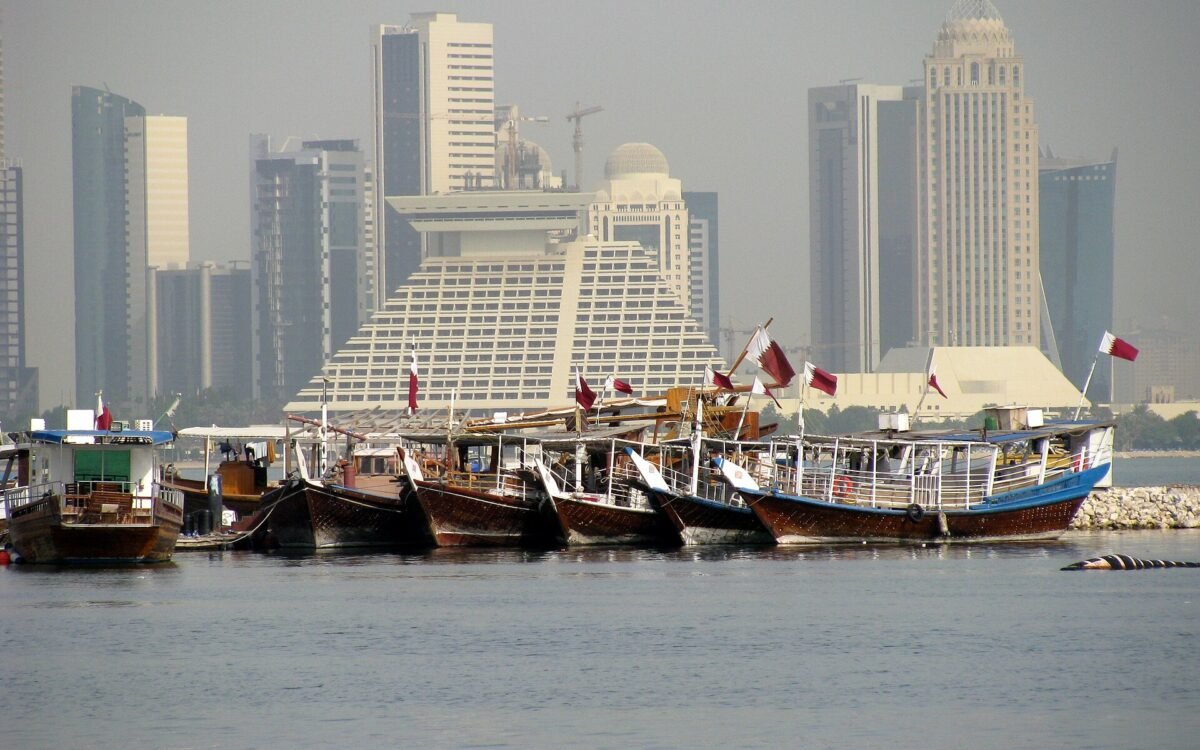
Dhow Harbour. End the day on the Corniche with the dhows and the skyline at sunset.
Frequently asked questions
Is the Msheireb Tram free?
Yes. The tram is free to ride, with no ticket required.
What are the Msheireb Tram timings?
According to Marhaba, Saturday to Thursday from 9am to noon and 4pm to 9pm, and Friday from 4pm to 9pm. The last departure is 15 minutes before closing. Check on arrival, as times can change during Ramadan and holidays.
How long does the Msheireb Tram loop take?
About 18 minutes for the full 2 km circuit, with a tram roughly every six minutes.
How many stops does the Msheireb Tram have?
Nine, including Wadi Msheireb next to the metro, Heritage Quarter by the museums, Al Baraha by the main square and Al Kahraba Street.
Are the Msheireb Museums free?
Yes. Entry to the four heritage houses is free. They are closed on Sundays and open in the afternoon and evening on Fridays.
Is this walk suitable for children?
Yes. The tram ride is short and fun, the streets are pedestrianised and shaded, and there are plenty of places to stop for a snack.
Last checked October 2026. Hours, fees and access can change, so confirm with the official source before you go.
Read the Companies in Qatar visitor guide ↗
More places nearby
All places →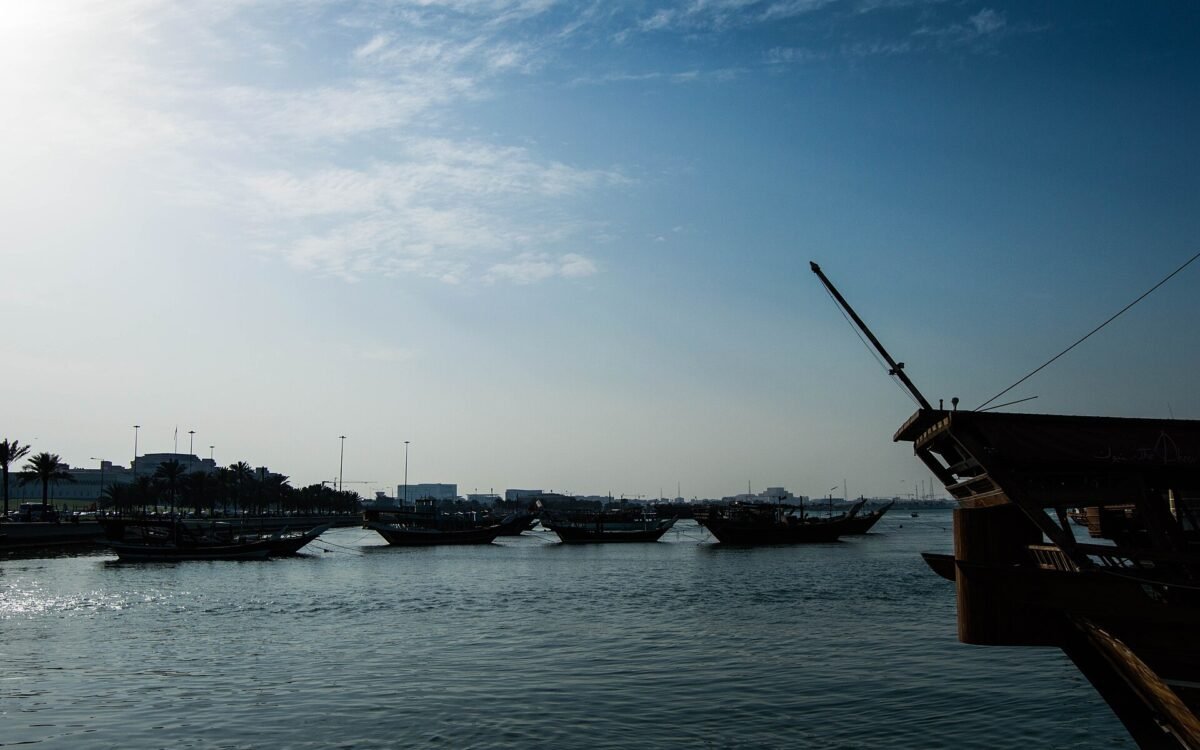
Run a tour, café or stay near Msheireb Tram Heritage Loop, Msheireb Downtown Doha?
List your business free on Companies in Qatar, or get featured on Qatar Unseen in front of people planning their trip.