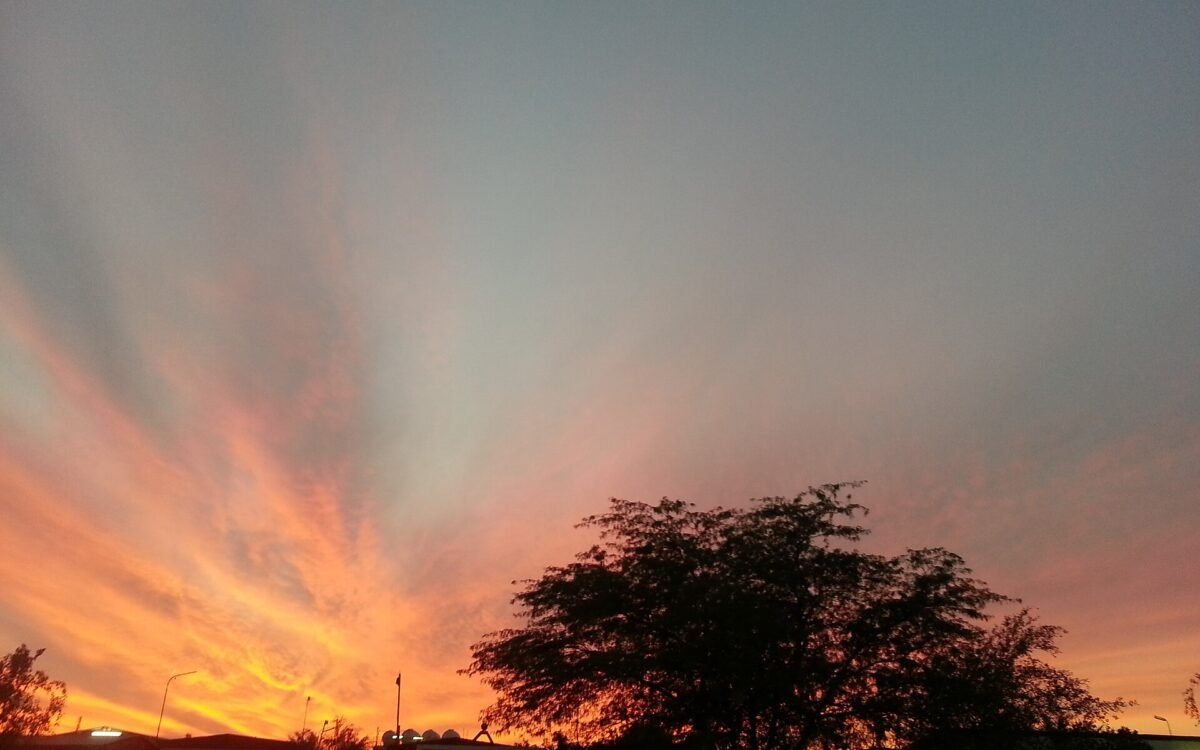
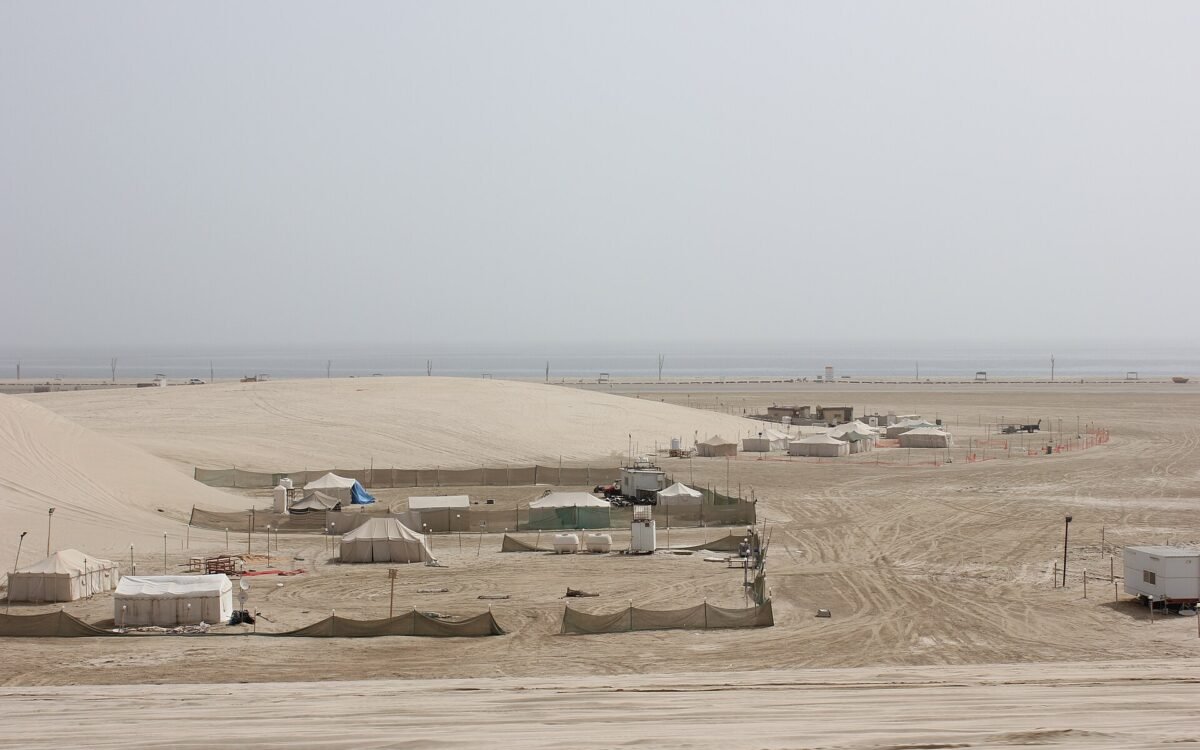
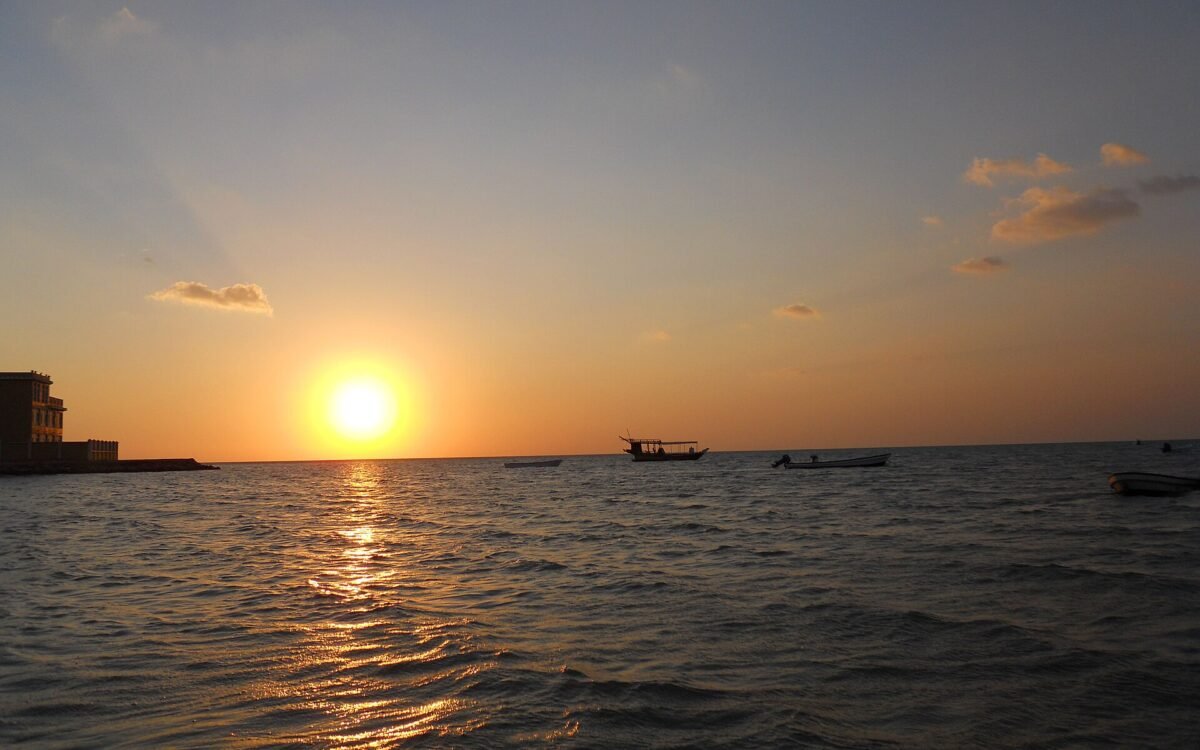
The best beaches in Qatar are not the ones with the most facilities. They are the ones that match what you want from the day. If you want calm, shallow water for small children, head north to Al Farkiya or Al Ghariya. If you want dunes running into the sea, go south to Sealine. For an empty horizon and a sunset over the water, drive west to Umm Bab, Dukhan or the Zekreet Peninsula. And if you want sunbeds, lifeguards and a pool, buy a day pass at a resort such as Banana Island or Sealine.
Qatar has a lot of coastline and a small population, so even on a winter weekend you can usually find a quiet stretch of sand within 90 minutes of Doha. The catch is that most public beaches are simple: no lifeguards, little shade, and sometimes a sandy track for the last kilometre. A few are closed at certain times of year, such as Fuwairit during the turtle-nesting season, and one of the best-known family beaches, Simaisma, has been shut for redevelopment since June 2025.
This guide covers more than 15 beaches, from city beaches in Doha to wild coastlines you need a 4×4 to reach. For each one you will find what it is like, who it suits, how to get there and when to go. After that come the practical parts: family days and dress, barbecues and camping, turtle closures, jellyfish and heat, and a month-by-month calendar.
At a glance
- Best for small children: Al Farkiya (Al Khor), Al Ghariya and Al Maroona in the north-east, with long, shallow, calm water.
- Best easy trip from Doha: Al Wakrah beach and souq (25 to 30 minutes) or Sealine (around 40 minutes to an hour).
- Best wild beaches: Umm Bab, Zekreet, Dukhan and Khor Al Adaid (the Inland Sea, 4×4 only).
- Best sunsets: the west coast (Umm Bab, Dukhan, Zekreet) where the sun sets over the sea.
- Closures to know: Fuwairit nesting beach is closed 1 April to 1 August; Simaisma Beach closed in June 2025 for around five years.
- Best season: late October to April. From May to September it is extremely hot and jellyfish are more common.
- No lifeguards: Visit Qatar notes they are not present at most free beaches, so supervise children closely.
Qatar’s best beaches compared
Use this table to narrow things down, then read the section on each beach below. Drive times are from central Doha in normal traffic and are approximate.
| Beach | Area | Drive from Doha | 4×4 needed? | Facilities | Best for |
|---|---|---|---|---|---|
| Katara Beach | Katara, Doha | In the city | No | Full (paid entry) | Easy city swim, water sports |
| West Bay Beach | West Bay, Doha | In the city | No | Full (paid entry) | Sunbeds and food trucks |
| Al Wakrah Beach | Al Wakrah | 25–30 min | No | Good; souq next door | Families, evening walks |
| Sealine Beach | Mesaieed | 40–60 min | No (yes for dunes) | Basic; activities | Dunes, camels, sunsets |
| Khor Al Adaid | South-east | About 2 hours incl. dunes | Yes, always | None | Adventure, camping |
| Al Farkiya | Al Khor | 40–50 min | No | Good (fenced family beach) | Young children |
| Al Thakira | Al Khor | About 1 hour | No | Basic | Mangroves, kayaking |
| Al Maroona | North-east | About 1 hr 10 min | Advisable for quieter spots | Picnic areas | Shallow water, families |
| Al Ghariya | Al Shamal | About 1.5 hours | Recommended | Limited | Families, camping |
| Fuwairit | Al Shamal | 1.5–2 hours | No (park on firm ground) | Very limited | Nature, kitesurfing (closed Apr–Aug) |
| Umm Bab (Palm Tree Beach) | South-west | About 1.5 hours | No for the palms | Very limited | Sunsets, camping |
| Dukhan Beach | West coast | About 1 hr 15 min | No | Limited | Sunsets, space |
| Zekreet Beach | West coast | About 80 min | Yes, best | None | Wild beach, rock formations |
| Banana Island (day pass) | Off Doha | 20–30 min by boat | No | Full resort | Resort day out |
| Hilton Salwa | South-west | About 75 min | No | Full resort, water park | Families with older children |
Beaches in and near Doha
If you do not want a long drive, these are the easiest options. They are busier than the northern and western beaches, but they have proper facilities and you can combine them with dinner in the city.
Katara Beach, Doha
Katara Beach runs along the edge of Katara Cultural Village, between West Bay and Lusail. It is a managed, paid beach of about 1.5 km, divided into six sections, some of them set aside for families. There are water sports, chair and umbrella hire, and the cultural village with its restaurants is a short walk away. The sand is groomed and the water is calm, so it suits families and visitors who want a clean, easy swim without leaving the city.
For summer 2026, Katara announced beach hours of 3.30pm to 11pm daily from 1 June, with entry at QAR 10 for adults and free entry for children under 15, over-60s and people with disabilities. Chairs and umbrellas were QAR 5 each. Winter hours usually differ, so check Katara’s channels before you go. Parking is in the Katara car parks, and ride-hailing is easy.
West Bay Beach, Doha
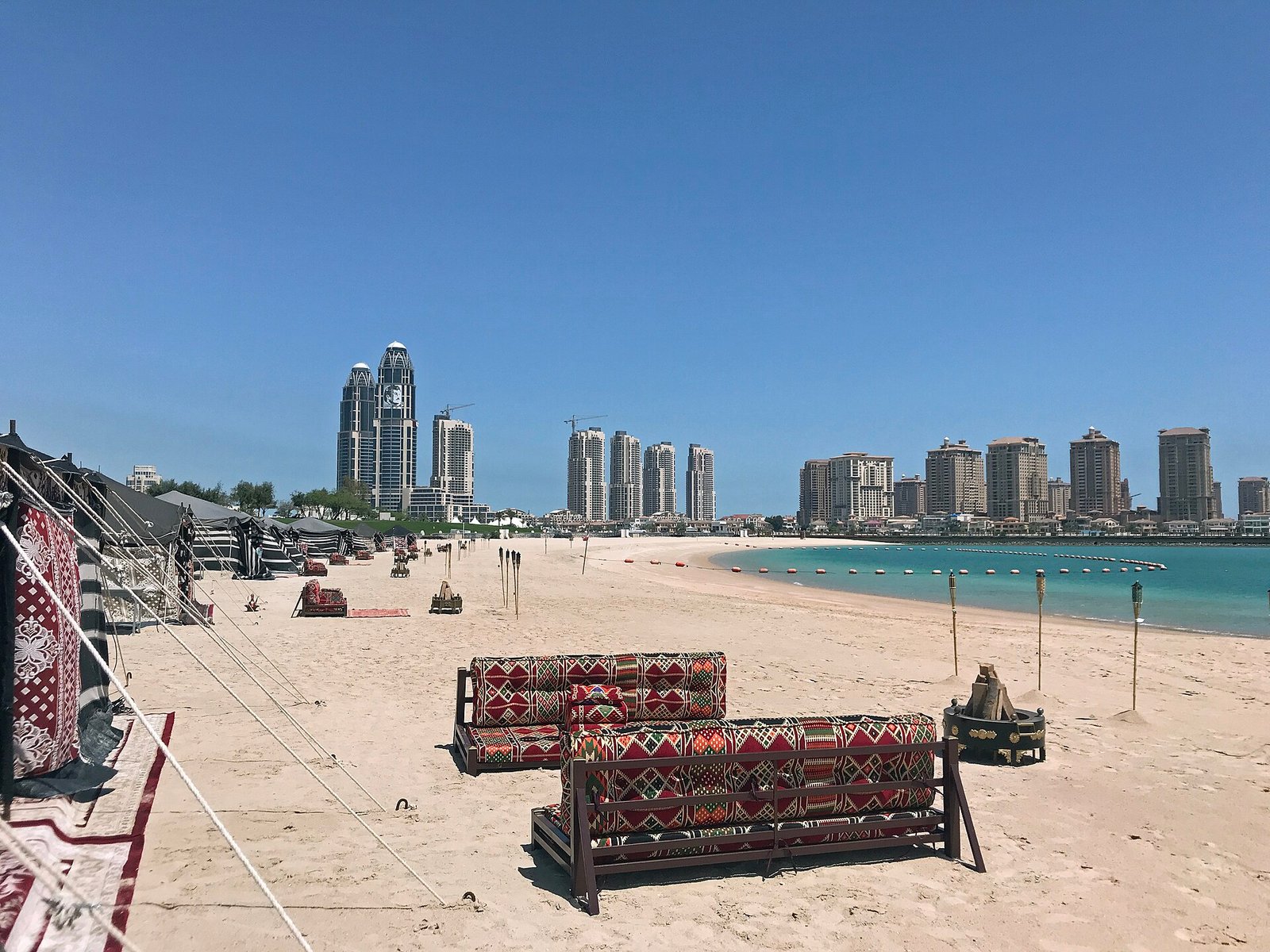
West Bay Beach, on Diplomatic Street, is a paid city beach with sunbeds, shaded seating, showers, changing rooms, a volleyball court, a children’s playground, prayer rooms and an access ramp. Food trucks line the back of the beach. Visit Qatar lists entry at QAR 35 on weekdays and QAR 50 at weekends, with children under 12 free, and opening from 8am until late (after midnight at weekends). Prices and hours have changed before, so confirm on the beach’s own site. It is the most convenient option if you are staying in a West Bay hotel without a beach.
Al Wakrah Beach, Al Wakrah
Al Wakrah’s public beach sits right beside the rebuilt souq in the old pearling town, about 19 km south of central Doha. The Ministry of Municipality designates it as a family beach, and it has playgrounds, sports areas and shaded seating. The water is shallow and at low tide the shore turns into a wide flat of rock pools, which children love. It is less a swimming beach than a place for an evening: walk the shore before sunset, then eat grilled fish in the souq.
Any car will do, parking is free, and you can take the Metro Red Line to Al Wakra station and then a short taxi ride. Come from October to April, in the late afternoon. Read our full guide to Al Wakrah Souq and Beach.
Simaisma Beach, Al Daayen (closed)
For years Simaisma was the obvious family beach north of Doha: shallow water, a separate women’s section, barbecue spots and playgrounds, about 40 km from the city. It closed on 10 June 2025 and is expected to stay closed for about five years while Qatari Diar redevelops the whole 7 km coastal strip. Some apps and older articles, including some official listings, still describe it as open. It is not. For a family beach in this direction, carry on to Al Farkiya in Al Khor. Read our full guide to Simaisma Beach and Corniche, which explains what is being built and what you can still see in the town.
The north-east coast: shallow water and turtle beaches
The coast from Al Khor up to Al Ruwais is where Doha families go for weekend beach days. The water is shallow and usually calm, the sand is pale, and the further north you go the quieter it gets. The trade-off is time: most of these beaches are an hour or more from the city, and facilities outside Al Khor are limited.
Al Farkiya Beach, Al Khor
Al Farkiya (also spelt Al Farkiah, or signed as Farkeh Coast) is Al Khor’s fenced family beach, around 50 km north of Doha. It runs for roughly 1,350 metres along a calm bay, with shaded seating, a play area, toilets and showers. The water stays shallow a long way out, which makes it one of the best beaches in Qatar for toddlers and young children.
It is a family beach, so it is not for single visitors or groups of men. On Sundays and Wednesdays it has been reserved for women and children under 10. It opens daily from 7am to midnight, entry and parking are free, and the road is paved all the way. Go in the afternoon near high tide, when there is water close to the shore. Read our full guide to Al Farkiya Beach.
Al Thakira Beach and mangroves, Al Khor
Just north of Al Khor, Al Thakira is better known for its mangroves than its sand. Visit Qatar lists it as a beach for kayaking, fishing and nature walks, about an hour from Doha. It is not a place for a long swim, but it is one of the best places in Qatar to paddle through green channels and see herons and crabs. Go near high tide, when there is enough water for a kayak. Read our full guide to kayaking the Al Thakira mangroves.
Purple Island, Al Khor (a walk, not a swim)
Purple Island (Jazirat Bin Ghanim) is a low, scrubby island of salt marsh, mangrove creeks and beachrock on the east side of Al Khor bay, linked to the mainland by a wooden footbridge. It is free and open-air. It is not a sandy swimming beach, and the shoreline can be muddy, but it is a lovely early-morning walk and one of Qatar’s oldest archaeological sites, where people made purple dye from sea snails more than 3,000 years ago. The last stretch is a dirt track that ordinary cars usually manage in dry weather. Read our full guide to Purple Island.
Al Maroona Beach, north-east coast
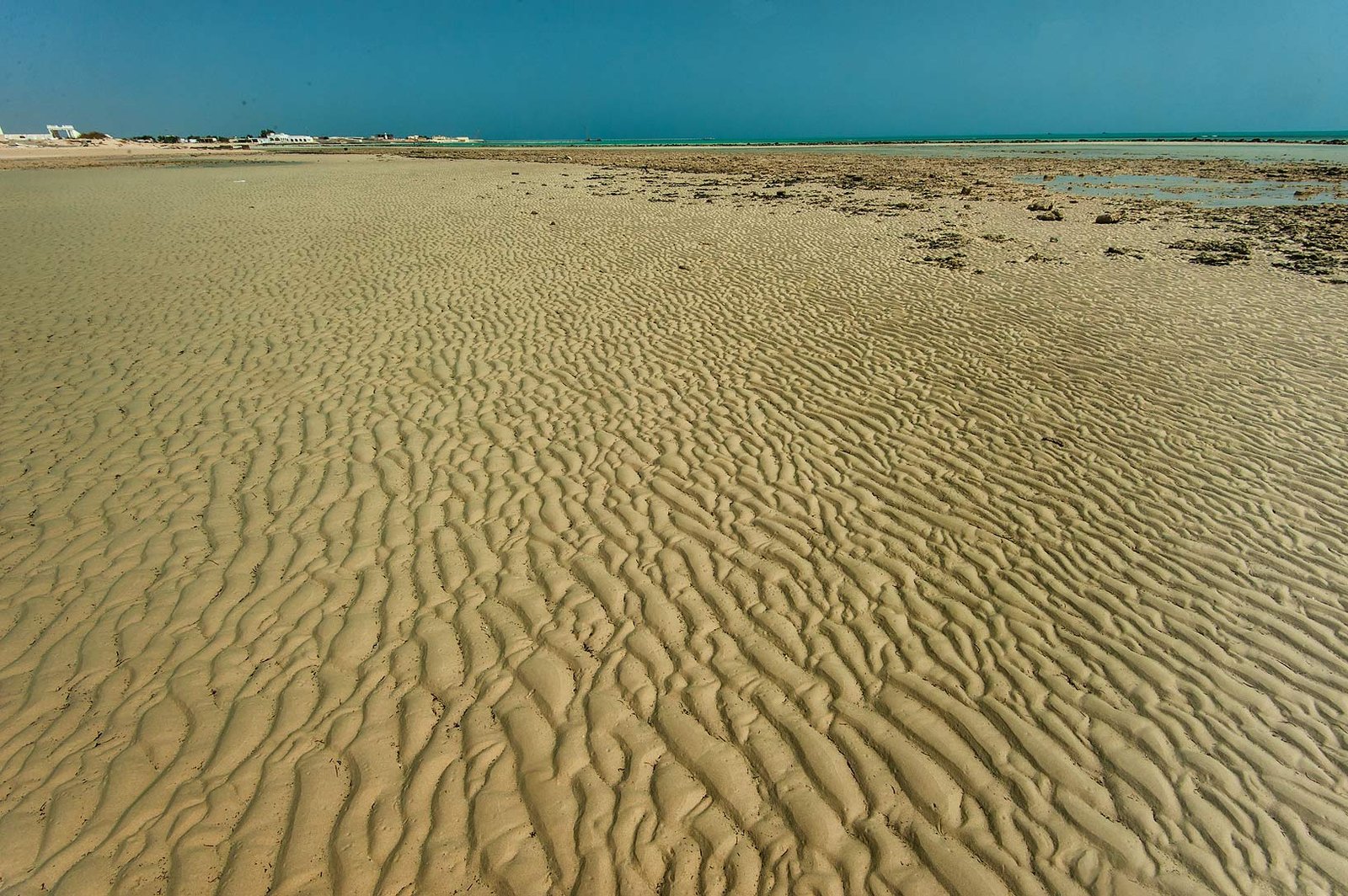
Al Maroona (Al Muruna) is a quiet stretch of the north-east coast about 1 hour 10 minutes from Doha. Visit Qatar describes its calm, shallow water as ideal for families, and there are picnic areas. Nearby is the spot many residents call French Beach, where the tide pulls back to leave long ripples of sand. Expect few facilities and bring everything you need. We don’t have a full guide to Al Maroona yet.
Al Ghariya Beach, Al Shamal
Al Ghariya is a long, shallow beach beyond Fuwairit, around 1.5 hours north of Doha. The water is clear and calm, and behind the beach are low rocky hills, a lighthouse and the ruins of an abandoned village. On winter weekends it fills with families and campers; on a weekday you can have a whole stretch to yourself. Facilities on the open beach are limited and there are no lifeguards. Visit Qatar recommends a 4×4 for the access road, which is sensible if you want the quieter sandy stretches; in an ordinary car stay on firm ground. Read our full guide to Al Ghariya Beach.
Al Mamlaha Beach (women only)
Al Mamlaha, on the Al Ghariya coast, is a dedicated women-only beach run by the Ministry of Municipality. It covers about 15,000 square metres, is fenced on two sides for privacy, has female guards and rope barriers to keep jet skis away, and has barbecue areas. The Ministry lists its hours as 9am to 10pm daily. It is one of the few beaches in Qatar where women can relax without any mixed groups nearby. We don’t have a separate guide to it yet; the Al Ghariya guide above covers the area.
Fuwairit Beach, Al Shamal
Fuwairit has some of the whitest sand and clearest water in Qatar, with low limestone cliffs and mangroves nearby. It is also the country’s most important nesting beach for the critically endangered hawksbill turtle. Visit Qatar says it hosts close to 30 per cent of Qatar’s turtle nests, and in 2026 the Ministry of Environment and Climate Change recorded 67 nests and released 3,875 hatchlings here. Because of that, the nesting beach is closed from 1 April to 1 August every year.
Outside the closure it is a quiet beach for nature lovers and, in the windy winter months, one of Qatar’s main kitesurfing spots. Facilities are very limited. Park on firm ground and never drive onto the sand, which crushes nests. Allow 1.5 to 2 hours from Doha. Read our full guide to Fuwairit Beach.
Al Shamal Beach and Corniche
At the northern tip of the country, around 1.5 hours from Doha, the town of Al Shamal has a public beach along its corniche with shaded areas and family facilities. The water is shallow and the sunsets are good. It is a sensible stop if you are visiting Al Zubarah or the north coast, rather than a destination in itself. If you want a wellness day nearby, Zulal Wellness Resort at Al Ruwais sells day passes (see the resort section below).
The west coast: wild beaches and sea sunsets
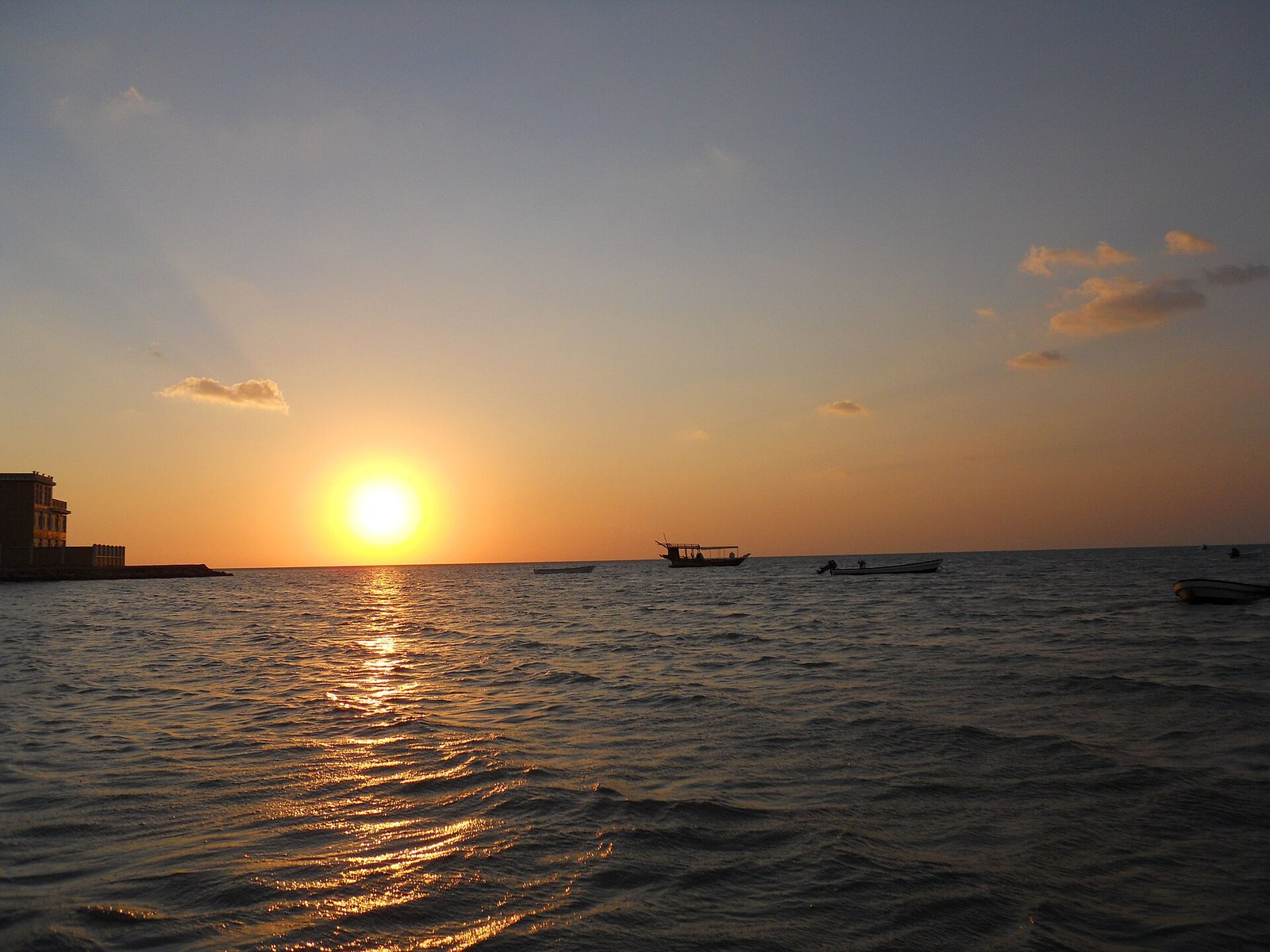
The west coast faces the Gulf of Salwa, so the sun sets over the water. It is emptier than the north-east, with long straight roads across the desert, rocky outcrops, and beaches that feel remote even though they are only an hour or so from Doha. Facilities are minimal. Fill up with fuel and supplies before you leave the main highway.
Umm Bab Beach (Palm Tree Beach)
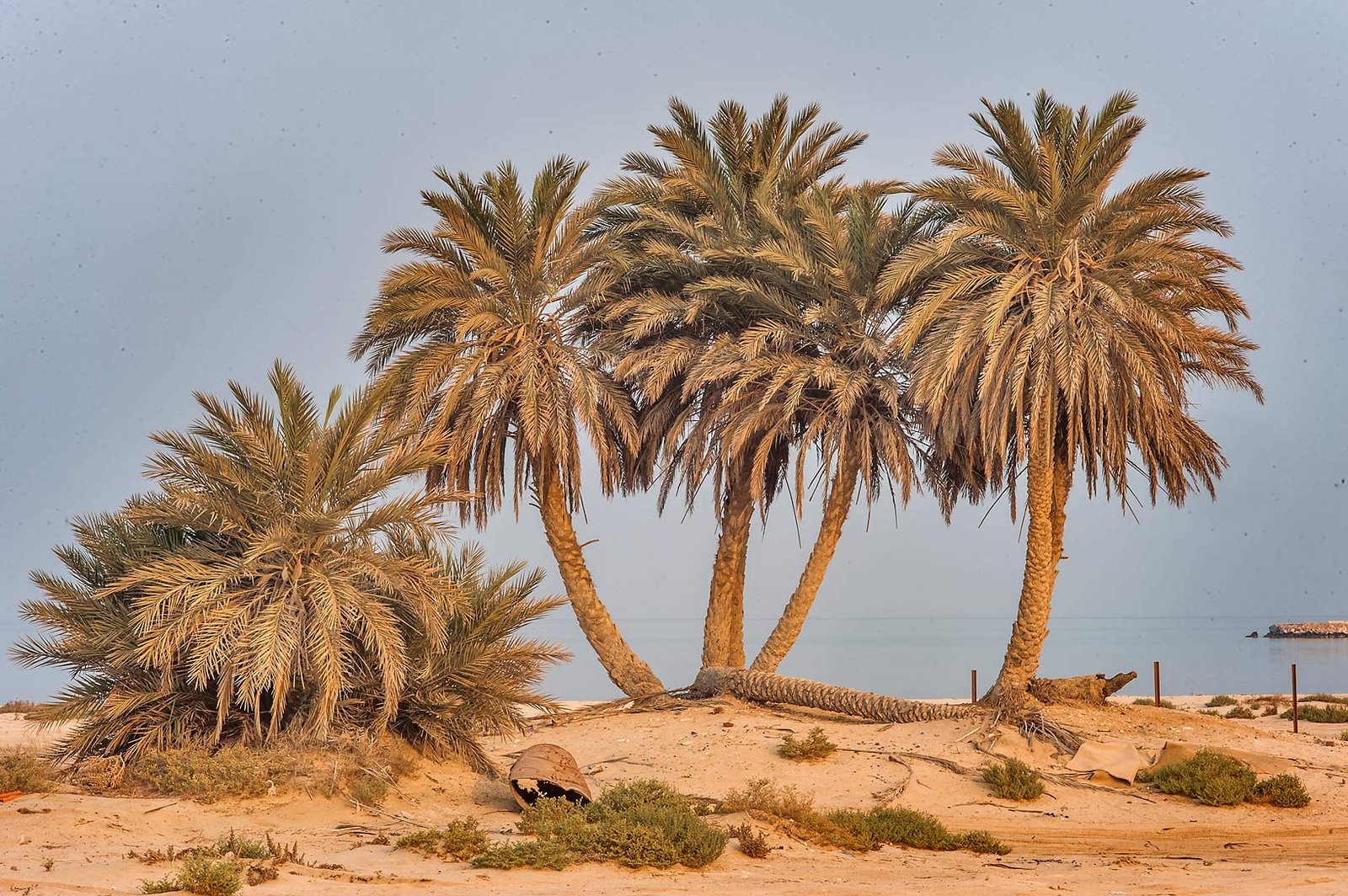
A small cluster of date palms beside a short breakwater gives Umm Bab its nickname, Palm Tree Beach. It is a long, open shoreline on the south-west coast, about 110 km by road and around 1.5 hours from Doha. People come to camp, barbecue and watch the sun sink into the sea. The water is shallow and usually calm, but the seabed is stony in places, so pack water shoes.
A normal car reaches the parking near the palms. To drive along the shore you need a 4×4 with lowered tyres, and plenty of people get stuck each winter. Part of the road is shared with heavy trucks from the cement works and quarries, so drive in daylight and take care overtaking. Arrive at least an hour before sunset. Read our full guide to Umm Bab Beach.
Al Kharaij Beach
Al Kharaij, in the Umm Bab area, is one of the beaches serviced by the Ministry of Municipality. It is a simple, quiet public beach on the same stretch of coast as Palm Tree Beach, and it is a good alternative when the palms are busy. Bring everything with you. We don’t have a separate guide to it yet.
Dukhan Beach
Dukhan Beach, about 1 hour 15 minutes west of Doha on Dukhan Highway, has a wide sandy shore and cliffs nearby. Visit Qatar singles it out as a sunset spot, and it is an easy drive on good roads. The water is shallow a long way out. It works well combined with the Zekreet Peninsula, which is just north. We don’t have a full guide to Dukhan Beach yet.
Zekreet Beach and Ras Abrouq
The Zekreet Peninsula is Qatar’s most dramatic coastline: limestone mushroom rocks, open desert and small sandy bays, about 80 minutes from Doha. Visit Qatar says Zekreet Beach is best reached by 4×4, and that is good advice; the tracks are sandy and there are no facilities at all. It is popular for winter camping and stargazing. The northern tip, Ras Abrouq, sits within the Al Reem Biosphere Reserve.
Combine a beach stop with the Zekreet mushroom rocks, the Film City and Richard Serra’s East-West/West-East sculpture. Read our full guide to Ras Abrouq and the Al Reem Biosphere Reserve.
The south: Sealine and the Inland Sea
South of Mesaieed, Qatar’s sand dunes run straight into the sea. This is the country’s most famous beach landscape and the easiest place to get a taste of the desert.
Sealine Beach, Mesaieed
Sealine is the classic desert beach, about 40 minutes to an hour south of Doha. The road is paved all the way to the free public beach, where you can swim, ride a camel, hire a quad bike and watch 4x4s climbing the dunes behind you. It is lively, a little rough around the edges and very popular with families and first-time visitors. Keep an ordinary car off the sand, because soft patches near the shore trap cars every weekend.
Weekday mornings are quietest. For the classic experience, arrive mid-afternoon, swim, and stay for the sunset over the dunes. Jellyfish are more common here in summer. Read our full guide to Sealine Beach.
Khor Al Adaid (the Inland Sea)
Khor Al Adaid is a wide, shallow lagoon ringed by dunes in the far south-east, against the Saudi border. There is no road. You reach it by a 40-minute to one-hour drive across open dunes from Sealine, which means a 4×4, lowered tyres (around 18 to 20 psi), recovery gear and experience, or a licensed tour. Taxis will not drive on the dunes and many rental agreements ban off-roading. Once there, the swimming is warm and calm and the sunsets are some of the best in Qatar. Most tours take four to six hours from Doha. Read our full guide to Khor Al Adaid.
Resort beaches and day passes
Public beaches are free but basic. If you want sunbeds, lifeguards, pools, clean toilets and a restaurant, a resort day pass is the answer. Prices change with the season and are often higher at weekends, so book ahead and read what is included (lunch, towels, activities). Swimwear is fine on resort beaches and by the pools.
Banana Island Resort by Anantara
Banana Island is a crescent-shaped private island reached only by the resort’s boat from Al Shyoukh Terminal on the Corniche, opposite Souq Waqif. The crossing takes 20 to 30 minutes. There is a sandy beach on the inner curve, pools, a surf pool, an adventure park and several restaurants. Day-pass boats leave at 10am and return at 5pm, and the adult day pass was QAR 395 in October 2026. Bring your original Qatar ID or passport to board. The resort is alcohol-free. Read our full guide to Banana Island Resort.
Sealine Beach, a Murwab Resort
Next to the public beach at Sealine, this relaxed, family-oriented resort has pools, a spa, chalets and villas, with the dunes behind and the sea in front. It offers day-use packages, which change with the season, and it is the natural base for desert trips to the Inland Sea. It is a good choice if you want Sealine’s scenery with a pool and clean facilities. Read our full guide to Sealine Beach, a Murwab Resort.
Hilton Salwa Beach Resort & Villas
About 75 minutes south-west of Doha, near the Abu Samra border, Hilton Salwa has around 3.5 km of private beach, villas with pools and Desert Falls Water & Adventure Park. It is the default weekend for many Doha families. Water park entry was QAR 150 in October 2026; the water park closes on Mondays until the end of December 2026 and shuts for maintenance from 17 January to 20 February 2027. Read our full guide to Hilton Salwa.
Marsa Malaz Kempinski, The Pearl
The palace-style Marsa Malaz Kempinski on The Pearl has its own private beach and pools, about 20 minutes from West Bay. It is the easiest resort beach in the city, and a good option if you want a beach, spa and lunch without a long drive. Ask the hotel about current day-pass offers. Read our full guide to Marsa Malaz Kempinski.
Our Habitas Ras Abrouq
This villa resort sits on a sandy bay on the Zekreet Peninsula, beside the Al Reem Biosphere Reserve, about an hour to 75 minutes from Doha. Kayaking and paddleboarding in the bay are part of the stay. Visits are by reservation only, so you cannot just turn up for a swim, and the resort warns that map apps don’t show its location reliably. Read our full guide to Our Habitas Ras Abrouq.
Zulal Wellness Resort by Chiva-Som
Zulal, at Al Ruwais on the northern tip of Qatar, is a wellness resort rather than a beach resort: the sea here is very shallow, and the focus is on spa treatments and rest. A day pass must be booked in advance and was QAR 700 for adults in October 2026. There is no alcohol. Read our full guide to Zulal Wellness Resort.
Which beach for what
Most Qatari beaches are shallow, and the tide changes them a lot. That affects what each one is good for.
Best beaches for swimming
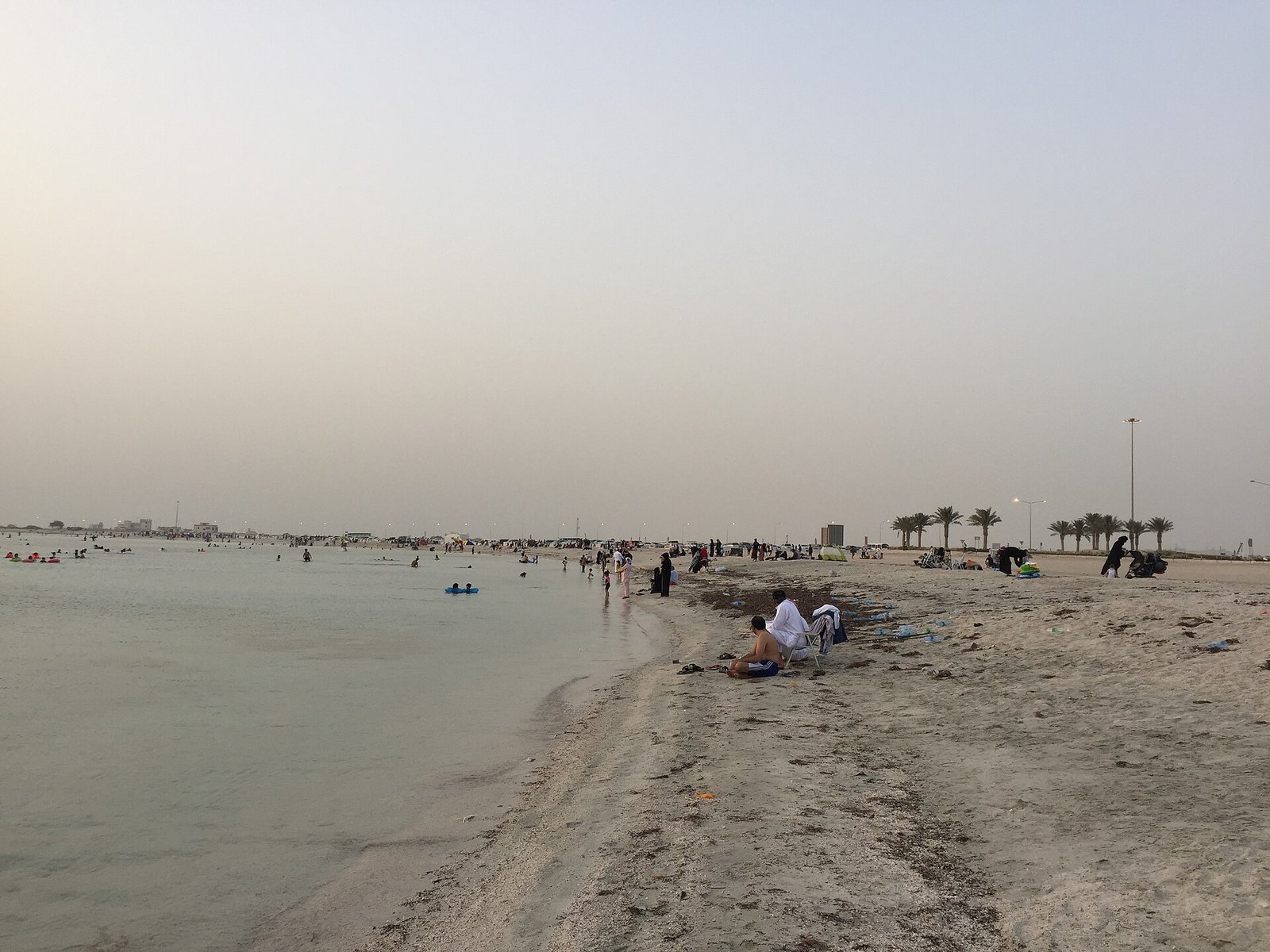
For a proper swim, where the water gets deep enough fairly quickly, choose Sealine, Katara Beach or a resort beach such as Banana Island or Hilton Salwa. Khor Al Adaid is also good for swimming once you get there. Many northern and western beaches stay knee-deep for a long way, especially at low tide, so check a tide table and go near high tide if you want to swim.
Best beaches for toddlers and paddling
Shallow, calm water is what makes Al Farkiya, Al Ghariya, Al Maroona and Al Wakrah good for small children. Al Farkiya has the advantage of toilets, showers and shade inside a fenced family area.
Best beaches for walking and rock pooling
At low tide, Al Wakrah’s shore turns into a wide flat of rock pools. Purple Island and the Al Thakira mangroves are for walking and wildlife rather than lying on the sand. French Beach near Al Maroona is known for its ripples of sand when the tide goes out.
Best sunset beaches
The west coast faces the sunset: Umm Bab, Dukhan and Zekreet are the stand-outs. On the east side, Sealine is still a lovely place at sundown because the low sun lights up the dunes. The north-east beaches, such as Al Ghariya and Fuwairit, face east, so they are better at sunrise.
Best beaches for camping and barbecues
Umm Bab, Al Ghariya, Zekreet and Khor Al Adaid are the traditional camping beaches. For a simple barbecue, several Ministry beaches, including Al Mamlaha, have designated barbecue areas. See the rules on camping and barbecues below.
Family days, dress and beach rules
Beaches in Qatar are relaxed places, but a few local rules and customs are worth knowing before you go.
Family beaches and women-only days
Some public beaches are designated for families, which in practice means men on their own or in groups of men should go elsewhere. The Ministry of Municipality has named Al Farkiya, Al Wakrah and Safa Al Touq among its family beaches. Al Farkiya has been reserved for women and children under 10 on Sundays and Wednesdays, and Al Mamlaha is women-only every day. Katara Beach has designated family sections. Signs at the entrance usually make the rules clear; if in doubt, ask the attendant.
What to wear
Swimwear is normal on resort and hotel beaches and at pools. On public beaches, most local women swim fully covered and many visitors choose more modest swimwear, such as a one-piece or shorts and a swim top. Cover up with a T-shirt or kaftan when you leave the sand, and don’t walk around the souq or car park in swimwear. Topless sunbathing is not acceptable anywhere.
Alcohol, noise and behaviour
Drinking alcohol in public places, including public beaches, is not allowed in Qatar. Keep music low, especially on family beaches, and don’t take photos of other beach-goers, particularly women and families, without permission.
Leave no trace
Take all your rubbish home, including cigarette ends and bottle tops. Littering in public places can bring heavy fines, and plastic bags and fishing line kill turtles and seabirds. Don’t drive on vegetation or dunes outside marked tracks, and never dig in fenced or signed nesting areas.
Camping, barbecues and 4×4 access
Winter camping season
Seasonal camping in Qatar is organised by the Ministry of Environment and Climate Change (MoECC). The 2025–26 season ran from 15 October 2025 to 15 April 2026, with registration through the ministry website and the Be’ah app. Under those rules, season camp permits were for Qatari nationals aged 25 and over, in designated land, coastal and nature-reserve areas, with a permit fee and a refundable deposit. At the time of writing, the MoECC had not published the 2026–27 dates and conditions, so check the ministry’s announcements before planning.
If you are a visitor or resident who just wants a night under the stars, the simplest option is a licensed desert-camp tour, for example at Khor Al Adaid, where the operator handles permits, tents and safety. If you pitch a tent for an overnight trip yourself, stay away from registered camps, fenced areas and nesting beaches, and take everything home with you.
Barbecues
Barbecues are part of beach culture in Qatar. Use the designated barbecue areas where a beach has them, bring your own grill and charcoal, keep the fire off bare sand where children walk, and put ashes out completely with water before you leave. Never bury hot coals: they stay hot for hours and burn bare feet.
Do you need a 4×4?
For most beaches, no. Katara, West Bay, Al Wakrah, Sealine public beach, Al Farkiya, Dukhan and the Umm Bab palms are all reachable in an ordinary car. You need a 4×4 for Khor Al Adaid, the dunes at Sealine, the sandy tracks at Zekreet, and to drive along the shore at Umm Bab or reach the quieter parts of Al Ghariya. If you are going off-road:
- Lower tyre pressure before you leave the tarmac and reinflate before driving on the road again.
- Travel with at least one other vehicle, a shovel, a tow rope and a compressor.
- Tell someone where you are going and when you’ll be back; phone signal is patchy in the dunes.
- Never drive on nesting beaches or through fenced areas.
- Check your rental agreement. Many don’t allow off-road driving and the insurance may not cover sand damage.
Turtle-nesting closures and wildlife
Qatar’s northern beaches are nesting grounds for the critically endangered hawksbill turtle. The MoECC closes the Fuwairit nesting beach every year from 1 April to 1 August, and nesting zones can also be fenced along the Al Ghariya coast and elsewhere in the north. During that time:
- Stay out of fenced and signposted areas, even if the beach looks empty.
- Keep vehicles off the upper beach, where nests are laid.
- Keep lights low at night. Bright lights confuse nesting females and hatchlings; use a red light pointed at the ground.
- If you see turtle tracks or a turtle on the beach, keep your distance, don’t touch it, and report it to the MoECC.
The same care applies all year to the mangroves at Al Khor and Al Thakira, which shelter herons, crabs and young fish. Leave shells and rock-pool creatures where you find them.
Heat, jellyfish and sea safety
Heat
From May to September, daytime temperatures regularly climb past 40°C, humidity on the coast is high and there is little shade on most beaches. Heat exhaustion comes on quickly. In summer, go only in the early morning or after about 4pm, bring far more water than you think you need, and put up your own shade. Even in October and April, midday on an open beach can be tiring.
Jellyfish
Jellyfish are most common between May and October, when the Gulf is warmest, and Marhaba’s guide names Sealine, Katara, Al Wakrah and Fuwairit among the beaches where they appear. Look at the water’s edge before you swim; if you see many washed up, don’t go in. If you are stung, get out of the water, rinse with seawater (not fresh water), and lift off any tentacles with the edge of a card rather than your fingers. Call 999 for severe pain, swelling of the face or trouble breathing.
Sea safety
- Visit Qatar notes that lifeguards are not present at most free beaches. Supervise children at all times, even in shallow water.
- Wear water shoes. Parts of the seabed are stony or muddy, and shells and rocks can be sharp.
- Watch the tide. On shallow beaches it can go out a very long way and come back faster than you expect.
- Check the wind forecast. Strong north-westerly winds (the shamal) bring sand, dust and choppier sea.
- Stay clear of jet skis and boats, and never swim near harbours or channels.
- In an emergency, call 999.
When to go: the beach year in Qatar
The best months for the beach in Qatar are late October to April, with November, February and March often the most comfortable. December and January are pleasant by day but can be cool and windy, and the sea feels cold to some swimmers.
| Months | Beach conditions | What to know |
|---|---|---|
| October | Hot at midday, warm sea | Go early or late; jellyfish still possible; camping season usually starts mid-month |
| November–December | Warm days, cooler evenings | Peak beach and camping season; busy around National Day (18 December) |
| January–February | Mild, sometimes windy | Good for walking and kitesurfing; pack a layer for evenings |
| March | Warm, sea warming up | One of the best months overall; check Fuwairit closure dates |
| April | Hot by midday | Fuwairit nesting beach closed from 1 April; camping season ends |
| May–September | Very hot and humid | Early morning or evening only; jellyfish more common; resort pools and evening beaches like Katara are best |
Weekends (Friday and Saturday) and public holidays, especially Eid and National Day, are the busiest times at every beach. If you can, go on a weekday.
What to bring and mistakes to avoid
What to bring
- Plenty of water and snacks; there is often nothing to buy at wild beaches.
- Your own shade: a pop-up tent or beach umbrella.
- Water shoes for stony and muddy seabeds.
- High-factor sunscreen, hats and sunglasses.
- Rubbish bags to take everything home.
- A cover-up for leaving the beach.
- Your Qatar ID or passport (required for Banana Island and useful at checkpoints).
- For remote beaches: a full tank, a phone power bank and basic recovery gear if you plan to leave the tarmac.
Common mistakes
- Driving to Simaisma for a swim. It has been closed since June 2025.
- Planning Fuwairit in spring or early summer. The nesting beach is closed from 1 April to 1 August.
- Taking an ordinary car onto the sand. Soft sand at Sealine and Umm Bab traps cars every weekend.
- Arriving at low tide expecting to swim. On many northern and western beaches you’ll walk a long way to reach water.
- Going at midday in summer. Heat exhaustion is a real risk, and there is little shade.
- Relying on ride-hailing for the way back. Outside Doha and Al Wakrah it is hard to find a car home; drive yourself or arrange a return.
- Ignoring family-beach rules. Groups of men will be turned away from family beaches and women-only days.
Frequently asked questions
What is the best beach in Qatar?
It depends on what you want. For families with small children, Al Farkiya in Al Khor has shallow water and good facilities. For scenery, Sealine, where dunes meet the sea, and Khor Al Adaid are the most dramatic. For a quiet sunset, Umm Bab or Dukhan on the west coast. For comfort, a resort day pass at Banana Island.
Are beaches in Qatar free?
Most public beaches are free, including Sealine, Al Wakrah, Al Farkiya, Al Ghariya, Fuwairit and Umm Bab. Katara Beach and West Bay Beach charge entry, and resort beaches require a day pass or a stay.
Can you wear a bikini on beaches in Qatar?
Yes, on resort and hotel beaches and by pools. On public beaches, modest swimwear is more appropriate, and you should cover up when you leave the sand.
Is Simaisma Beach open?
No. Simaisma Beach closed on 10 June 2025 for a redevelopment of its 7 km coastline that is expected to take about five years. Al Farkiya in Al Khor is the nearest good alternative.
When is Fuwairit Beach closed?
The Fuwairit nesting beach closes every year from 1 April to 1 August to protect nesting hawksbill turtles. Check for any MoECC announcement if you plan to visit in March or August.
Do I need a 4×4 to visit beaches in Qatar?
Not for most. You need one for Khor Al Adaid, the Sealine dunes and Zekreet’s sandy tracks, and it helps at Al Ghariya and for driving along the shore at Umm Bab.
Are there lifeguards on Qatar’s beaches?
Not at most free public beaches. Resorts and some managed beaches have them, but always supervise children in the water.
What is the best time of year for the beach in Qatar?
Late October to April. From May to September it is extremely hot and humid and jellyfish are more common, so go only early in the morning or in the evening.
Last checked October 2026. Rules, fees and access can change, so confirm with the official source before you go.