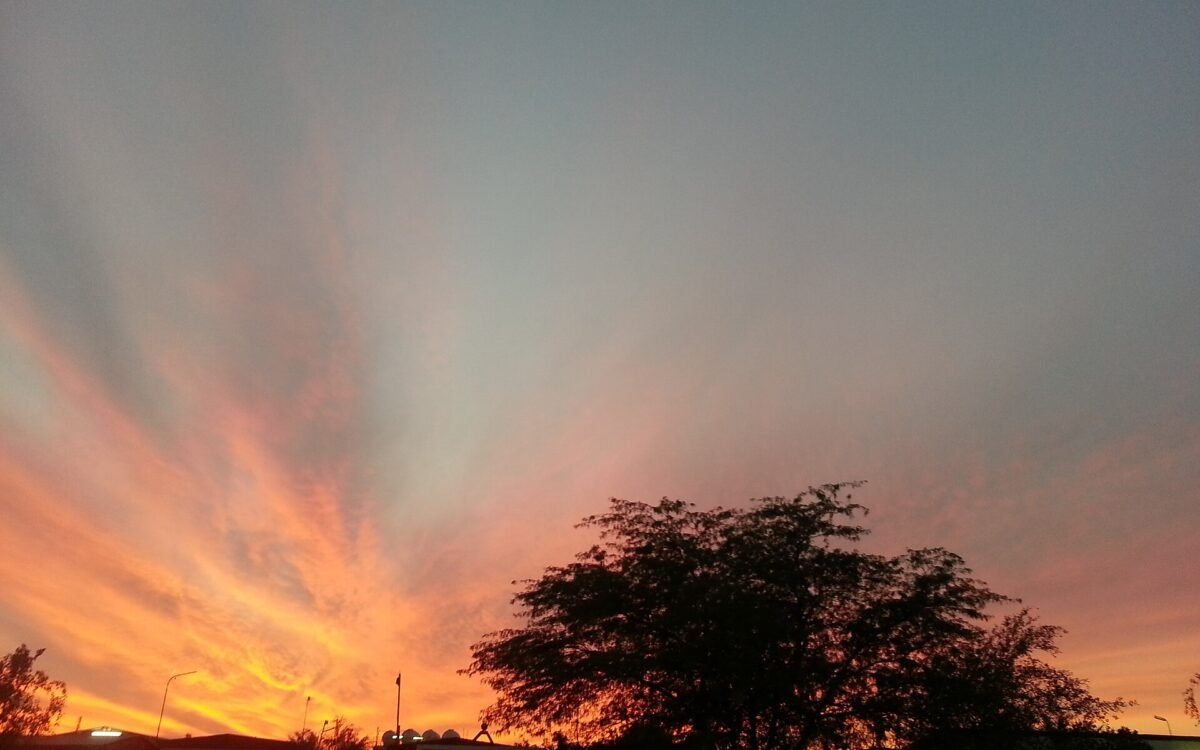
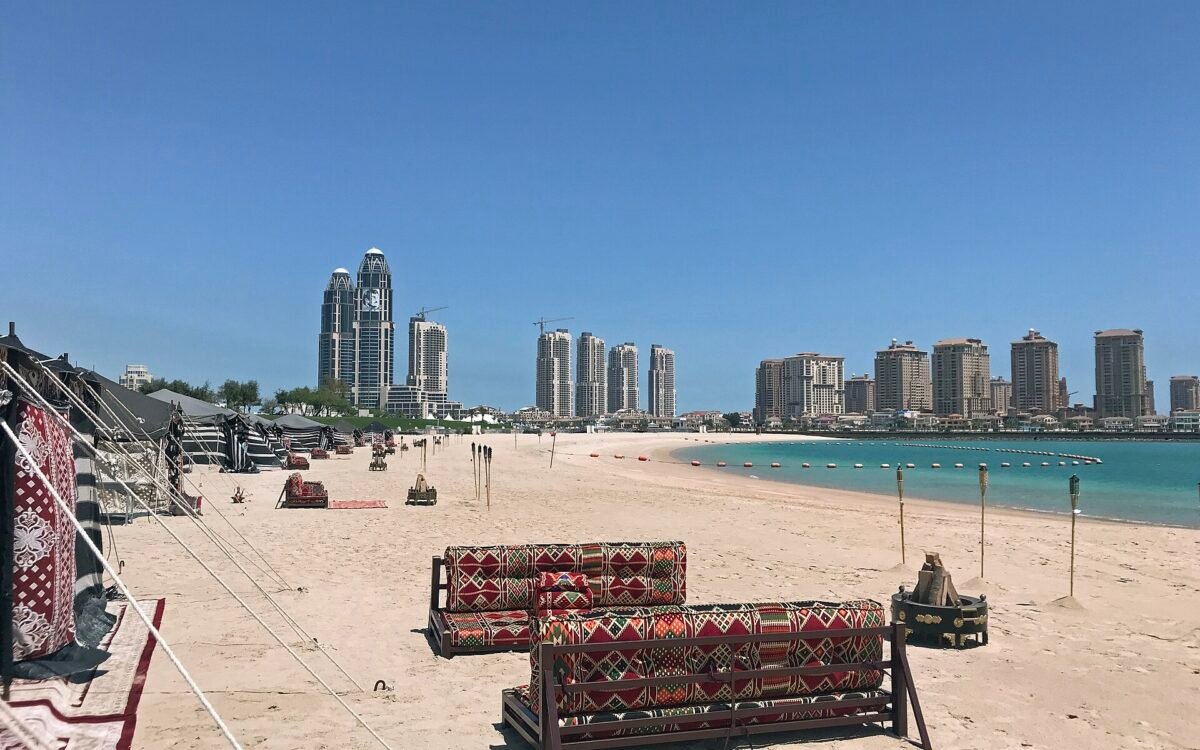
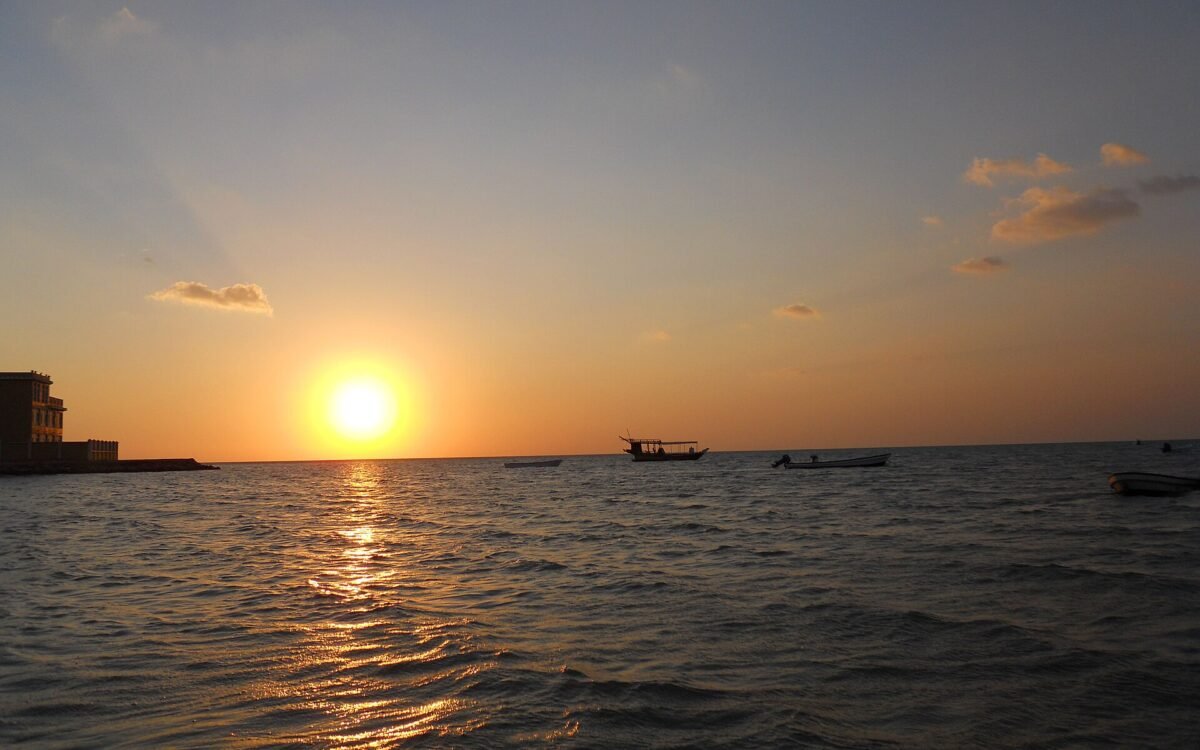
Camping in Qatar is a winter pursuit. From mid-October to mid-April the desert and the coast fill with everything from simple dome tents on the beach to vast family camps with generators, majlis tents and kitchens. The rest of the year the heat makes a night outdoors hard work, and the official camping season is closed.
The most important thing to understand before you plan is who can do what. The Ministry of Environment and Climate Change (MoECC) runs a seasonal permit system for long-stay camps in designated zones, and for the 2025–26 season those permits were open only to Qatari nationals aged 25 and over. Residents and visitors usually camp in one of three other ways: a short stay with a simple tent at a popular beach, a night at a licensed desert camp, or an overnight tour to the Inland Sea with an operator who handles the driving and the kit.
This guide covers the season dates, what we know (and don’t yet know) about 2026–27, how registration works, the rules that apply to everyone, the best spots, glamping options, safety in the sand and a full packing list. Rules change from season to season, so we flag what is confirmed, what is reported, and what you should check yourself.
At a glance
- Season: the 2025–26 winter camping season ran from 15 October 2025 to 15 April 2026.
- 2026–27: Al Sharq reported that MoECC would announce the new season’s details at a press conference on Thursday 1 October 2026. Until the ministry publishes them, treat any dates as provisional.
- Permits: seasonal camp permits were limited to Qatari nationals aged 25+, booked online through the ministry’s camping portal and its Bee’ah app.
- Cost of a permit (2025–26): QAR 3,000 fee plus a QAR 10,000 refundable deposit.
- Residents and visitors: use a licensed desert camp, an overnight tour, or a short stay with a simple tent where it is allowed.
- Never light a fire or barbecue directly on the sand, and take every scrap of rubbish home.
- Emergencies: call 999. The MoECC call centre is 16066.
When is camping season in Qatar?
The winter camping season is set each year by the Ministry of Environment and Climate Change. In recent years it has followed a steady pattern: the ministry announces the season in late September, registration opens at the start of October, and camps can be set up from mid-October until mid-April.
2025–26 season (confirmed)
The ministry announced the 2025–26 season on 21 September 2025, as reported by Qatar News Agency. The season ran from 15 October 2025 to 15 April 2026, and campers could set up from the first day. The key registration dates were:
- 1–4 October: central region (including Umm Al Atham, Rawdat Rashid, Rawdat Aisha, South Al Kharayej, Abu Samra and Zekreet Coastal Reserve).
- 5–8 October: southern region, with Sealine given a registration day to itself because of demand, followed by Al Naqyan, Al Khararah, Mekaines and Khor Al Adaid.
- 9–14 October: northern region.
- 15 October to 15 November: a second window for any sites still available, across all regions.
The ministry capped the season at around 3,000 camps, with room to expand in some zones. For comparison, 2,860 camps were set up the season before: 1,315 inland, 433 on the coast and 1,112 in nature reserves.
2026–27 season (not yet published)
As of 1 October 2026, the final dates, zones and conditions for the 2026–27 season had not been published in English. On 28 September 2026 the Arabic daily Al Sharq reported that the ministry would hold a press conference at 11am on Thursday 1 October to announce the season’s details, rules and requirements. Qatar Living, writing on 9 September, also noted the details were still pending and warned readers not to assume last year’s conditions would carry over.
If the ministry follows its recent pattern, expect registration in phases during October and a season running roughly from mid-October to mid-April. That is a pattern, not a promise: check the MoECC website or the Qatar News Agency for the official announcement before you plan dates or budget.
Outside the season
From mid-April the heat builds quickly, and by June daytime temperatures make camping uncomfortable and risky. The seasonal permits end, camps must be removed and the sites restored. Some seasons have been extended in specific areas (in 2023, for example, the ministry extended camping at Sealine and Khor Al Adaid to 20 May), but that is decided year by year. Summer overnights on the beach do happen, but they are a heat-management exercise rather than a holiday, and the licensed camps are a far safer choice.
Permits and registration: how the system works
A seasonal camping permit gives you a numbered plot in a designated area for the whole season. It is designed for the large, semi-permanent family camps that are part of Qatari winter life, not for a one-night tent.
Who can register
For 2025–26, the ministry said applicants had to be Qatari nationals aged 25 or over. The permit is personal: it cannot be rented out, advertised for rent, subleased or transferred, and one person could hold one permit per season. Expatriate residents and tourists could not apply for these seasonal permits.
Where and how to register
Registration was fully online, through the ministry’s camping portal (camping.mecc.gov.qa) and its Bee’ah app. You log in through the National Authentication System with your Qatar ID, choose a site (or reserve the plot you had the previous season, if it is free), then pay. The ministry’s own instructions gave one hour to pay the reservation fee and six hours to pay the deposit, by debit or credit card. An inspector then contacts you to confirm the site, and the permit is issued within three working days of the inspection.
You may see references to the Oun app in older forum posts. We could not find any current ministry announcement that uses Oun for camping registration; the channels named for 2025–26 were the ministry website and the Bee’ah app. Use whatever the 2026–27 announcement specifies.
Fees and deposits
| Item (2025–26) | Amount | Notes |
|---|---|---|
| Permit fee | QAR 3,000 | Non-refundable. Retirees and people with disabilities were exempt. |
| Insurance deposit | QAR 10,000 | Refundable after the season if the site is left clean and compliant. |
| Changing your site | QAR 1,000 | Only allowed before the camp is confirmed. |
| Unconfirmed bookings | Deposit lost | Reservations not confirmed within 30 days were cancelled and the deposit became non-refundable. |
These are last season’s figures. The 2026–27 fees may change, so confirm them in the new announcement.
Designated camping zones
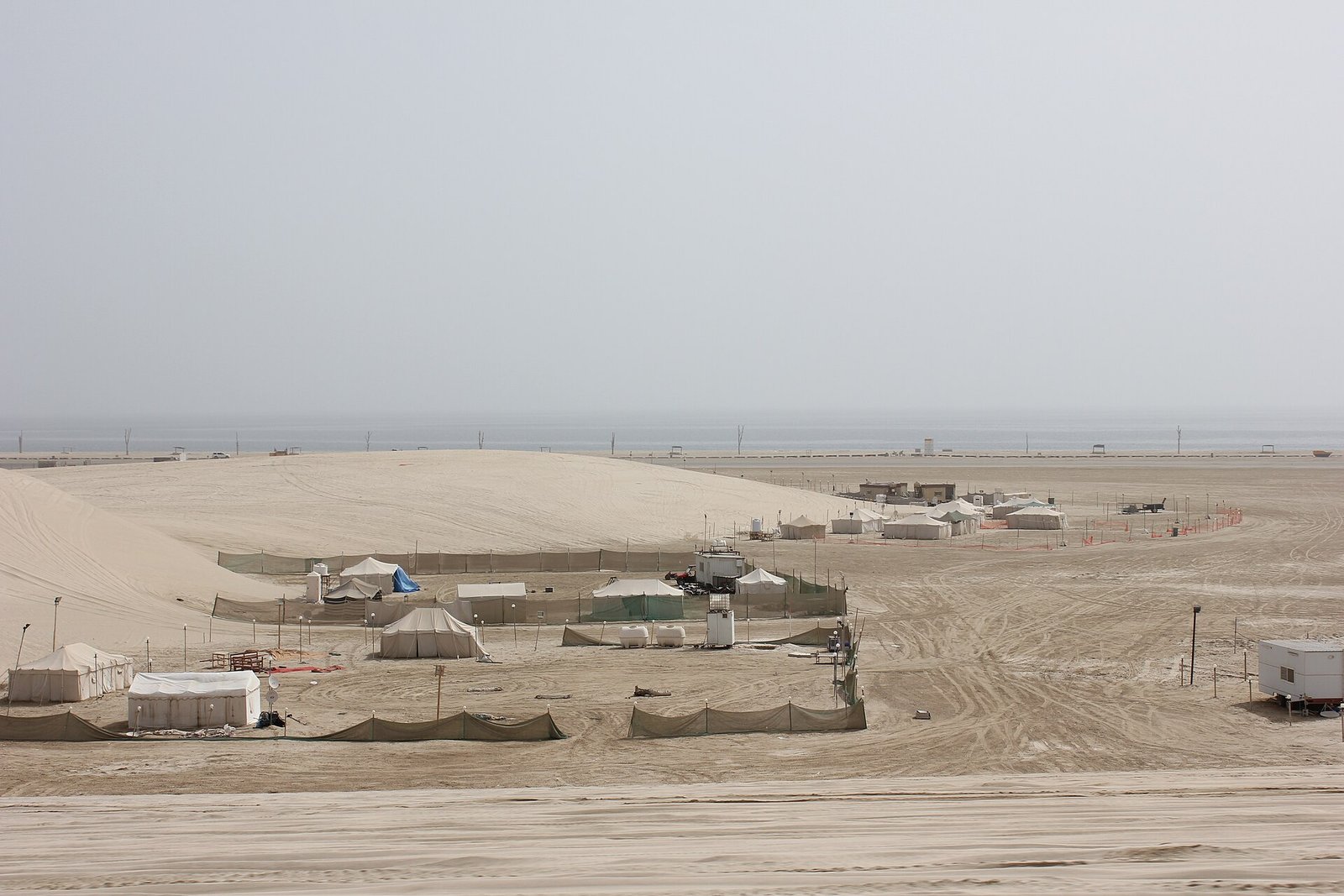
Camping is only allowed in designated areas and on your assigned plot; the ministry does not allow scattered camping wherever you like. The zones fall into three groups:
- Central: inland rawdahs (green depressions) and desert around Umm Al Atham, Rawdat Rashid, Rawdat Aisha, South Al Kharayej and Abu Samra, plus the Zekreet Coastal Reserve on the west coast.
- Southern: the most popular area, including Sealine and the nature reserves towards Khor Al Adaid, as well as Al Naqyan, Al Khararah and Mekaines.
- Northern: desert and coastal sites in the north. Local media have named areas such as Al Shamal, Al Zubarah and Fuwairit among the places people camp.
Camping as a resident or visitor
If you are not eligible for a seasonal permit, you still have good options. What you should not do is build a long-stay camp, leave a tent standing for days, or bring a caravan and settle in without a licence.
Short stays with a simple tent
On winter weekends you will see residents pitching simple tents for a night at places like Sealine, Umm Bab and Al Ghariya, and Visit Qatar’s own beach guide recommends several of these beaches for camping. Marhaba, reporting on the 2025–26 season, described non-Qatari residents and visitors as able to set up short-term, makeshift tents without a permit, while RVs, vans, trailers and long-term camps need licensing. We could not find this spelled out in an official English-language ministry document, and rules at individual beaches differ. Some public beaches, reserves and managed waterfronts restrict overnight stays, fires or barbecues. Treat a short stay as allowed only where it clearly is, follow any signs or ranger instructions, and pack down in the morning.
Licensed desert camps and glamping
Qatar Tourism licenses tourist camps in two groups: day-stay camps (standard or premium) and overnight camps rated three, four or five stars. This is the simplest way for visitors to spend a night in the desert with toilets, beds, food and someone else doing the driving. Visit Qatar names Regency Sealine Camp and Sealine Beach, a Murwab Resort, as places to stay near the Inland Sea, along with Outpost Al Barari’s villas. Many safari operators sell overnight packages that combine a dune drive, a barbecue dinner in a camp and breakfast.
Overnight Inland Sea tours
For Khor Al Adaid in particular, a tour is the sensible choice unless you have serious desert-driving experience and a properly equipped 4×4. The route crosses high, soft dunes with no road, and getting stuck or rolling a vehicle is a real risk.
Best places to camp in Qatar
These are the places that come up again and again for camping and overnight stays. Each has a different feel, and not all of them are suitable for every car or every group.
Sealine and the southern dunes
Sealine, south of Mesaieed, is Qatar’s busiest camping area and the gateway to the Inland Sea. Dunes run straight down to a shallow, calm sea, and on winter weekends the area is a mix of family camps, quad-bike rental, camel rides and 4x4s airing down before the crossing. It suits first-timers and families who want company, services nearby and the reassurance of other people around. The beach itself is reachable in a normal car, but the dunes need a 4×4. HMC runs a seasonal clinic here during the camping season (see the safety section). Expect it to be loud and busy on Thursday and Friday nights; midweek is calmer.
Read our full guide to Sealine Beach, or for a roof over your head, our guide to Sealine Beach, a Murwab Resort.
Khor Al Adaid (the Inland Sea)
Khor Al Adaid is the showpiece: a tidal inlet in the far south-east, surrounded by dunes, with the border with Saudi Arabia across the water. It is a nature reserve on UNESCO’s Tentative List, and one of the southern reserve zones in the ministry’s camping system. The stars on a clear, moonless night are the main reason people camp here. There are no facilities at all. You need a 4×4, an experienced driver and recovery gear, or a tour. Visit Qatar advises lowering tyres to 18–20 psi before leaving Mesaieed. Read our full guide to Khor Al Adaid.
Umm Bab (Palm Tree Beach)
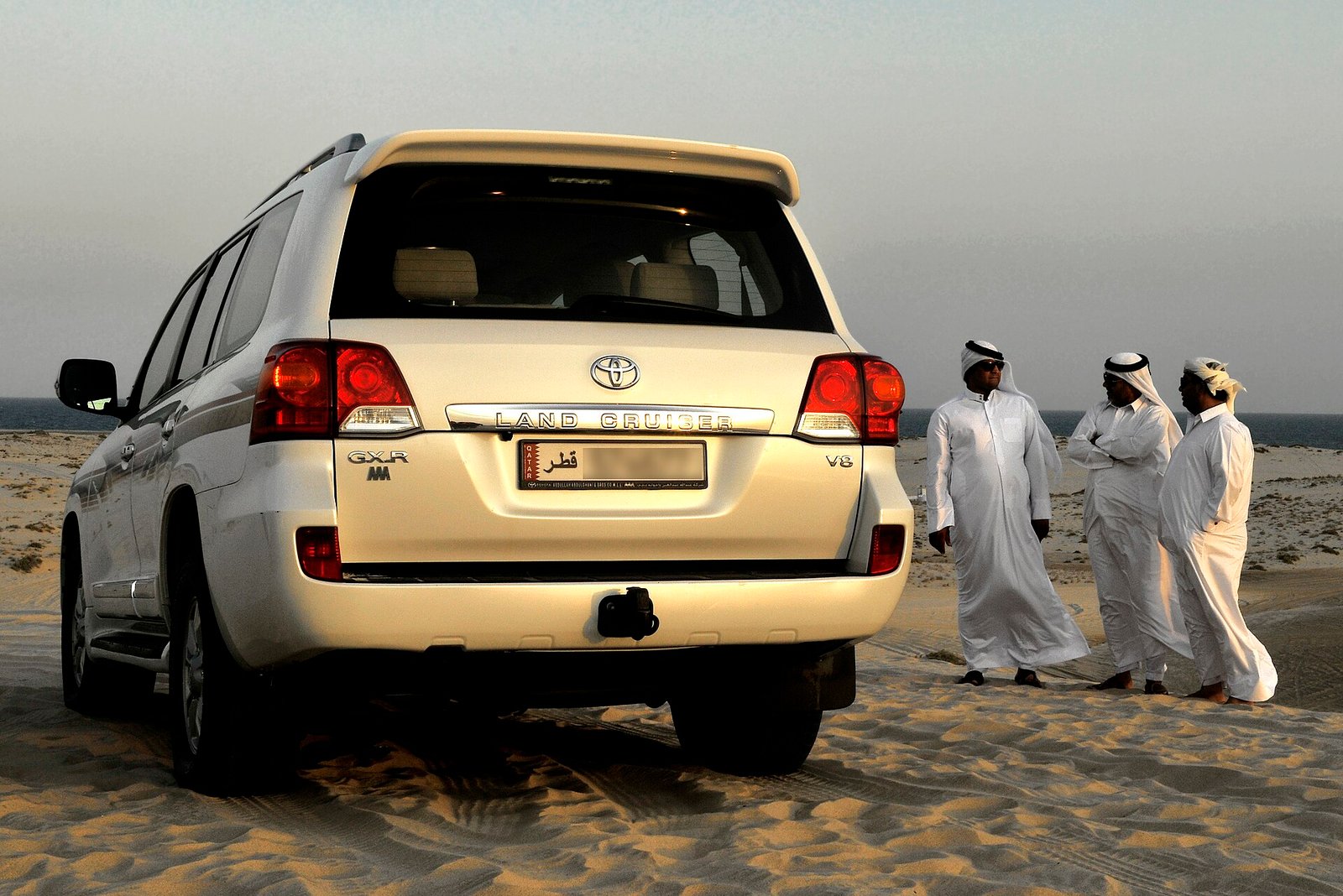
On the south-west coast about 110 km from Doha, Umm Bab is quiet, wide and known for a cluster of date palms on the sand. Families and groups come for overnight stays, barbecues and sunsets over the sea. There are no shops nearby, so bring everything. The sand near the water can be softer than it looks. Read our full guide to Umm Bab Beach.
Zekreet and Ras Abrouq
The Zekreet Peninsula on the west coast combines beach, limestone formations and open desert, and the Zekreet Coastal Reserve was one of the central zones in the ministry’s 2025–26 registration. Ras Abrouq sits inside the Al Reem Biosphere Reserve, where camping is only allowed on licensed grounds and the northern tip has been gated for long periods outside winter events. Don’t drive around closed gates. Useful guides: Zekreet Mushroom Rocks, Ras Abrouq and Al Reem Biosphere Reserve, Zekreet Film City and East-West/West-East by Richard Serra.
Al Ghariya and the north-east coast
Al Ghariya is a weekend favourite in Al Shamal, with shallow water, space for ball games and a long tradition of beach camping. Visit Qatar lists it as ideal for camping. The further you go past the resort area and the old Scout camp, the quieter it gets. Read our full guide to Al Ghariya Beach.
Fuwairit
Fuwairit, just south of Al Ghariya, is one of Qatar’s most important hawksbill turtle nesting beaches. The nesting beach is closed from 1 April to 1 August every year, which overlaps the last two weeks of the camping season. Outside the closure, camp well back from the dunes, keep lights low and never drive on the upper beach. Read our full guide to Fuwairit Beach.
Near the Singing Sand Dunes and central Qatar
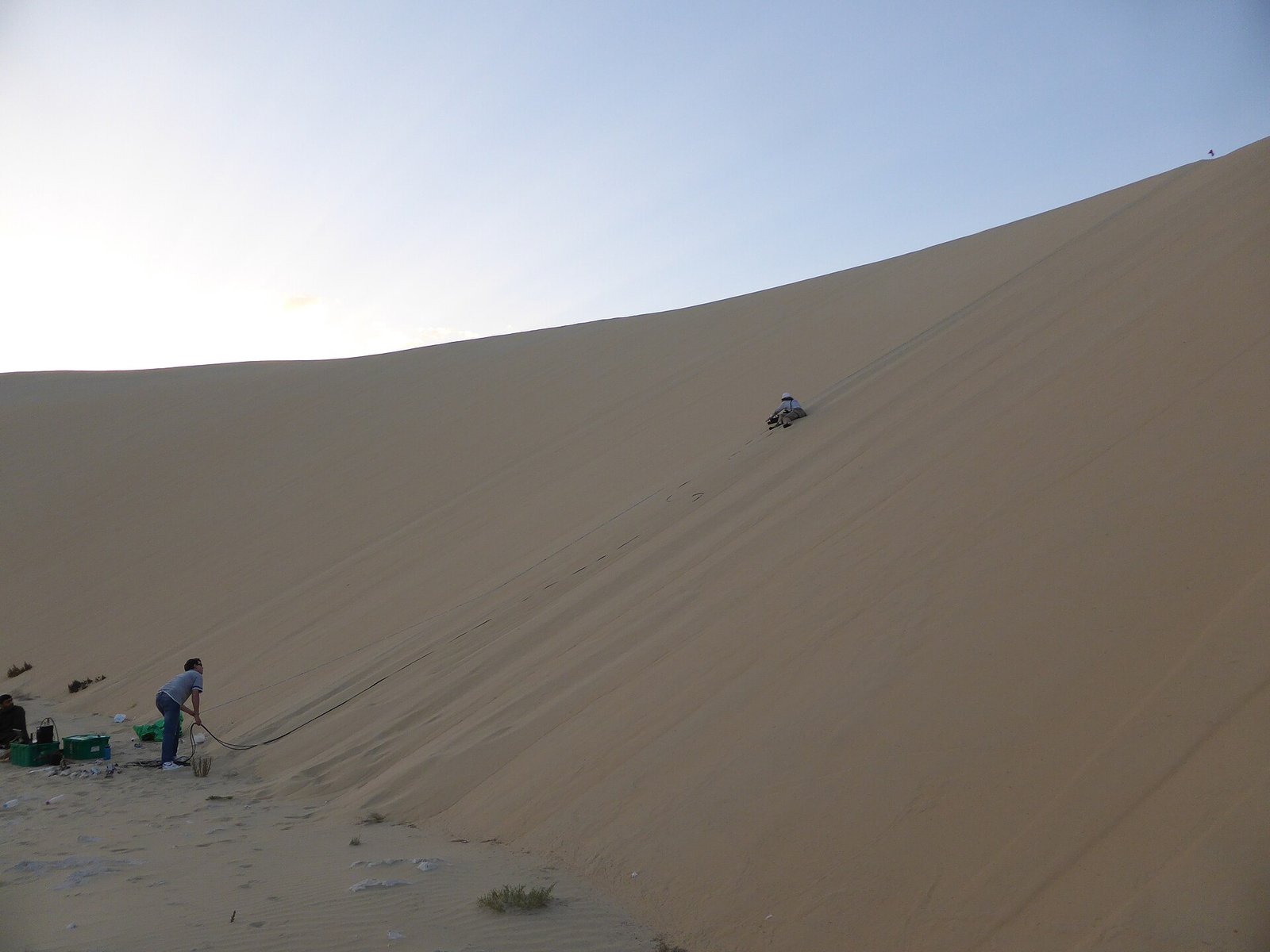
Central Qatar’s rawdahs, such as Rawdat Rashid and Umm Al Atham, are permit zones for Qatari family camps rather than casual tent spots. As a day trip from a camp or from Doha, though, the area has two good stops: the Singing Sand Dunes, which hum when you slide down the steep face on a dry day, and Dahl Al Misfir, a gypsum-lined cave near Rawdat Rashid.
Comparison of camping spots
| Spot | Area | From Doha | 4×4 needed? | Facilities | Best for |
|---|---|---|---|---|---|
| Sealine | South-east, beyond Mesaieed | About 40–60 min | Beach: no. Dunes: yes | Seasonal clinic, rentals, resort nearby | First-timers, families, groups |
| Khor Al Adaid | Far south-east | About 1–2 hours | Yes, plus experience | None | Stars, remoteness, tours |
| Umm Bab | South-west coast | About 110 km | Useful near the water | None nearby | Quiet beach nights, sunsets |
| Zekreet | West coast | About 1 hour+ | Some tracks | None | Rock formations, photography |
| Al Ghariya | North-east coast | About 80–100 km | No for the main beach | Resort area, women’s beach nearby | Family weekends |
| Fuwairit | North-east coast | About 80–100 km | No for the main beach | None | Oct–Mar only; turtle closure from April |
| Licensed desert camp | Mostly Sealine area | About 1 hour | Transfer usually included | Beds, toilets, meals | Visitors, no-kit campers |
Driving times are approximate and depend on where you start and on traffic.
Glamping and licensed camps
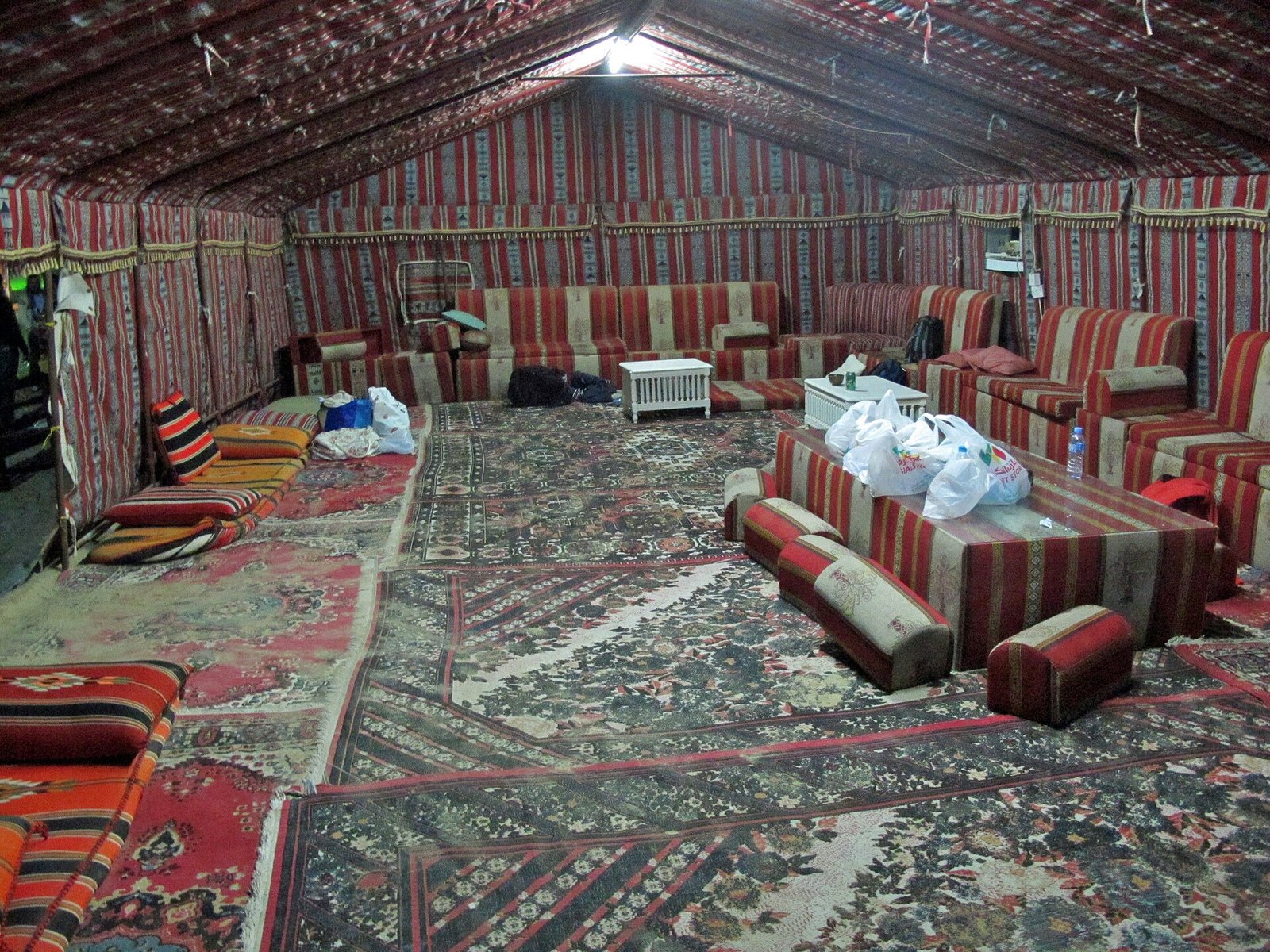
If you want the desert without the equipment, glamping is the answer. A licensed overnight camp handles the tents, beds, lighting, toilets and meals, and most include transfers or a guided dune drive. Qatar Tourism’s classification (three, four and five-star overnight camps) gives you a rough idea of what to expect, from simple tents with shared facilities to private units with en-suite bathrooms.
What a typical package includes
- Pick-up from Doha in a 4×4, or a meeting point at the edge of the sand near Sealine.
- A dune drive, often ending at the Inland Sea for sunset.
- Activities such as sandboarding, camel rides or quad bikes (sometimes at extra cost).
- A barbecue dinner and a night in the camp, then breakfast.
Choosing an operator
Book with an operator that holds a Qatar Tourism licence, and ask exactly what is included: private or shared tent, bathroom arrangements, meals, and whether the return is the same evening or the next morning. Ask what happens if strong winds are forecast, and read recent reviews before you pay. Prices change by season and weekday, so compare a few quotes.
Resort alternatives
For a softer version of the desert night, Sealine Beach, a Murwab Resort sits among the dunes south of Mesaieed, and Our Habitas Ras Abrouq is a nature-focused resort inside the Al Reem Biosphere Reserve on the west coast. On the south-west coast, the Hilton Salwa Beach Resort & Villas is a full resort rather than a camp, but it is a comfortable base for exploring Umm Bab and the south-west.
Camping rules everyone must follow
Whether you hold a seasonal permit or are pitching a tent for one night, the same environmental and safety rules apply. The ministry, its Environmental Security Unit and inspectors patrol camping areas during the season, and they remove camps that break the rules.
Fires and barbecues
- Never light a fire or barbecue directly on the sand or on the beach. The ministry’s camping guidance prohibits direct ground barbecuing on beaches, and scorch marks and buried charcoal are a common cause of fines. Use a raised barbecue stand or a fire pit that keeps the fire off the ground.
- Keep fires away from tents, on the downwind side, and use only wood and charcoal as fuel.
- Fire balloons (sky lanterns) are banned.
- Let charcoal go completely cold, bag it and take it with you or put it in a designated bin. Don’t bury it.
Camp set-up and safety equipment
The ministry’s safety requirements for registered camps are also a sensible checklist for any group:
- Keep at least 5 metres between tents.
- Keep the kitchen separate from sleeping tents, and store gas cylinders outside.
- Have a 4 kg dry-powder fire extinguisher, a fire blanket and a stocked first aid kit (out of children’s reach).
- Use energy-saving lights; run cables in protective conduit rather than across the sand.
Where you can and can’t camp
- Permit holders must stay within their assigned plot and designated zone, and display their camp number (at least A4 size) for inspectors.
- No building, fencing or altering the land, and no unlicensed cabins or structures. In March 2025 the ministry ran a campaign to remove unlicensed camping cabins.
- Protected areas such as the turtle beach at Fuwairit (closed 1 April to 1 August) and gated parts of Al Reem are off limits when closed.
- Paragliding is not allowed inside camping areas.
Vehicles
The ministry regulates vehicle use in the desert, and driving in sensitive areas such as vegetated rawdahs damages plants that take years to recover. Stick to existing tracks, stay off the upper beach and dune vegetation, and keep speeds low near camps, where children and quad bikes are everywhere. Don’t drive around closed gates.
Renting, subletting and fines
Renting or advertising a permitted camp is a serious violation. In February 2025 the ministry removed camps on the northern coast whose owners were renting them out, and it warned that renting leads to immediate withdrawal of the permit. Other violations can bring fines, loss of the permit and the deposit, and a ban from future seasons. If you see a camp for rent on social media, it is almost certainly not legal. Book a licensed tourist camp instead.
Cultural etiquette
Camping areas are family spaces. Dress modestly away from the water, keep music at a considerate level, especially late at night, and respect other groups’ privacy by not pitching or parking too close to their camp. Drinking alcohol in public is not allowed in Qatar, and that includes beaches and the desert.
Safety: driving, weather and tides
Most camping emergencies in Qatar are predictable: stuck or rolled vehicles, burns, cold nights and sudden wind. A little preparation prevents almost all of them.
Driving in sand
- Use a proper 4×4 for dunes and soft sand. A saloon car is fine for many beach car parks, not for the dunes.
- Lower tyre pressure before the sand (Visit Qatar suggests 18–20 psi for the Inland Sea) and reinflate before you return to the road. Carry a compressor or know where to reinflate.
- Carry recovery gear: a shovel, a tow rope or kinetic strap with rated shackles, recovery boards, a tyre gauge and jump leads.
- Always travel with at least two vehicles when you go deep into the dunes, and tell someone your route and return time.
- Never drive the dunes at night unless you know the route, and never approach the crest of a dune without seeing what is on the other side.
- Leave with a full tank. Fill up in Doha or Mesaieed, because there are no services in the dunes.
Wind, rain and cold
Winter brings strong north-westerly winds, dust and the occasional thunderstorm. In March 2026, ahead of forecast storms, the ministry advised campers to secure their tents before winds pick up, stay away from coastal camps during high waves, shelter in vehicles or cabins rather than tents, avoid parking in low ground or flood channels, disconnect electricity during rain, and avoid fires and metal structures during thunderstorms. Check the Qatar Meteorology Department forecast before you go and again on the day. Nights in the desert can be surprisingly cold in December to February, so pack warm layers and proper sleeping bags.
Tides at the Inland Sea and on the coast
Qatar’s coasts are shallow and the tide can move a long way over flat sand. When you camp on a beach, pitch well above the high-tide line (look for the line of dried seaweed and debris) and never park on damp, flat sand close to the water. At Khor Al Adaid the channel narrows and currents can be strong, and there are no lifeguards, so swim with others and keep children close.
Medical help
Hamad Medical Corporation runs a seasonal clinic at Sealine. In 2025–26 it opened from 16 October 2025 to 11 April 2026, on Thursdays and Fridays from 2pm to 2am and on Saturdays from 10am to 10pm, backed by 4×4 ambulances and LifeFlight air ambulance. It treated 1,680 patients over the season, mostly for colds, stomach bugs, burns and minor injuries. For emergencies anywhere, call 999.
Family camping tips
Camping is one of the best things to do with children in Qatar’s winter, and many families return to the same spot year after year. A few habits make it easier.
- Start with one night, close to Doha. Sealine is a good first trip because help and services are nearby. Save Khor Al Adaid for when you know how your family handles a night in the sand.
- Arrive by mid-afternoon. Set up in daylight, when you can see the ground, the tide line and the tracks around you.
- Mark your camp. Reflective strips or lights on tent guy lines and around the camp help drivers see you at night.
- Set boundaries. Agree where children can go, and keep them away from vehicle tracks and quad-bike routes. Dune areas are busy with vehicles at weekends.
- Plan for the cold. Children lose heat fast. Bring hats, fleeces and more blankets than you think you need.
- Keep the fire safe. Use a raised barbecue, keep a fire blanket and water close, and never leave coals unattended.
- Bring activities. A sandboard or plastic sledge, a football, kites and a star map go a long way.
- Midweek is calmer. Thursday and Friday nights are the busiest and loudest in popular areas.
What to bring: camping checklist
There are no shops at most camping spots, so pack as if you are completely self-sufficient.
Shelter and sleeping
- A tent rated for wind, with sand pegs or long pegs, plus spare guy lines
- Sleeping bags or heavy blankets, and sleeping mats or camp beds
- A groundsheet or rug, and a shade awning for the day
- Camp chairs and a folding table
Water, food and cooking
- Plenty of drinking water, with extra for emergencies
- A cool box with ice, and food that doesn’t need much preparation
- A raised barbecue stand, charcoal or wood, a lighter, tongs and heat-proof gloves
- A gas stove with the cylinder kept outside the tent
- Rubbish bags (more than you need) and a separate bag for cold charcoal
Safety and vehicle
- First aid kit, fire extinguisher and fire blanket
- Head torches and lanterns, plus spare batteries
- Power bank and car charger; a satellite communicator if you go deep into the desert
- Tyre gauge, compressor, shovel, recovery boards, tow strap and shackles, jump leads
- Reflective markers for tents and guy lines
Personal
- Sun hat, sunglasses and sunscreen, even in winter
- Warm layers for the night and a windproof jacket
- Closed shoes for the sand and sandals for the beach
- Wet wipes, hand sanitiser, toilet paper and a small trowel
- Your Qatar ID or passport, and your permit number if you hold one
Leave no trace
Qatar’s desert looks tough, but it is fragile. Tyre tracks across a rawdah can last for years, plastic ends up in the sea and in the stomachs of camels, and charcoal buried in the sand stays there. The ministry’s own end-of-season report for 2025–26 pointed to better compliance, waste containers and regular collection, but it also noted growing pressure from rising camper numbers.
- Take everything home. Pack out all rubbish, including food scraps, bottle caps and cigarette ends, or use the designated bins where they exist.
- No fires on the ground. Use a raised stand, and bag cold charcoal to take away.
- Stay on existing tracks. Don’t drive over vegetation, dune plants or the upper beach where turtles nest.
- Don’t dig, build or fence. Leave the land as you found it.
- Respect wildlife. Watch oryx, gazelles, birds and turtles from a distance. Never feed or chase them.
- Keep noise and light down. Other campers and wildlife will thank you.
Camping calendar: month by month
| Period | What to expect |
|---|---|
| Late September | The ministry usually announces the new season. Still hot for camping. |
| October | Registration for seasonal permits, in phases by region. Season typically opens mid-month. Days still warm. |
| November | Late registration usually closes mid-month. Comfortable days, warm evenings. Good time for a first night out. |
| December to February | Peak season. Mild days and cold nights, occasional rain and strong winds. Busy weekends at Sealine. |
| March | Warmer days, still pleasant nights. Watch for spring storms and dust. |
| 1 April | Fuwairit turtle nesting beach closes until 1 August. |
| Mid-April | Season usually ends, and permit holders must clear and restore their sites. |
| May to September | Too hot for comfortable or safe camping. Licensed camps and resorts are the only realistic option. |
Mistakes to avoid
- Assuming last season’s rules still apply. Dates, fees and zones are set each year. Check the new announcement.
- Booking a “camp for rent” on social media. Renting out a permitted camp is illegal, and the camp can be removed with you in it. Use a licensed tourist camp.
- Taking a saloon car into the dunes. Or taking a 4×4 in alone, without recovery gear or deflated tyres.
- Lighting a fire straight on the sand. It’s prohibited, it leaves scars and it can bring a fine.
- Pitching on the tide line or in a dip. Rising water and flash flooding after rain both catch campers out.
- Underestimating the cold. A thin summer sleeping bag is not enough for a January night in the desert.
- Ignoring wind warnings. A tent that seemed fine at sunset can collapse at midnight.
- Leaving rubbish “for the cleaners”. There often are none. Take it home.
Combine camping with nearby sights
A camping weekend is a good excuse to see places you would not visit on a day trip from Doha.
- From Sealine: the Singing Sand Dunes and Dahl Al Misfir are both reachable on the drive back towards Doha.
- From Umm Bab or Zekreet: the mushroom rocks, Zekreet Film City and Richard Serra’s East-West/West-East sculpture are all on the same peninsula.
- From Al Ghariya or Fuwairit: head up the north coast to Al Zubarah Fort, Al Jumail and Al Ruwais, or see the rock carvings at Al Jassasiya.
Frequently asked questions
When does the camping season start in Qatar?
The 2025–26 winter camping season ran from 15 October 2025 to 15 April 2026. As of 1 October 2026 the ministry had scheduled a press conference to announce the 2026–27 details. Recent seasons have opened in mid-October and closed in mid-April, but confirm the new dates with the Ministry of Environment and Climate Change.
Can expats camp in Qatar?
Expats cannot apply for the ministry’s seasonal camp permits, which in 2025–26 were limited to Qatari nationals aged 25 and over. Residents can stay at licensed desert camps, book overnight tours, or pitch a simple tent for a short stay at popular beaches where this is allowed. Long-stay camps, caravans and trailers need licensing.
How much does a camping permit cost in Qatar?
In 2025–26 the permit fee was QAR 3,000, with a refundable insurance deposit of QAR 10,000. Retirees and people with disabilities were exempt from the fee. Moving to a different site cost QAR 1,000. Fees for 2026–27 may differ.
How do I register for a camping permit?
Eligible applicants registered online through the ministry’s camping portal and its Bee’ah app, logging in with the National Authentication System and paying by card. An inspector then confirms the site, and the permit is issued within three working days of the inspection.
Can I camp at the Inland Sea?
Khor Al Adaid is a designated camping area in the ministry’s southern zone for permit holders. Most residents and visitors camp there on an overnight tour or stay at a licensed camp near Sealine. You need a 4×4, experience and recovery gear to get there on your own.
Can I have a barbecue or campfire?
Yes, but not directly on the sand. Use a raised barbecue or fire pit, keep it away from tents and downwind, use only wood or charcoal, and take cold charcoal away with you. Some beaches and managed areas ban barbecues altogether, so follow local signs.
Do I need a 4×4 to go camping?
Not always. Many beach areas, including the front of Sealine and parts of Al Ghariya, are reachable in a normal car. For dunes, Khor Al Adaid and remote coast you need a 4×4, lowered tyre pressure and recovery equipment, and you should travel with a second vehicle.
Is it safe to camp in Qatar?
Camping in Qatar is generally safe if you prepare well. The main risks are vehicle accidents, burns, strong winds and the cold at night. Check the weather forecast, set up in daylight, carry a first aid kit and fire extinguisher, and call 999 in an emergency.
Last checked October 2026. Rules, fees and access can change, so confirm with the official source before you go.