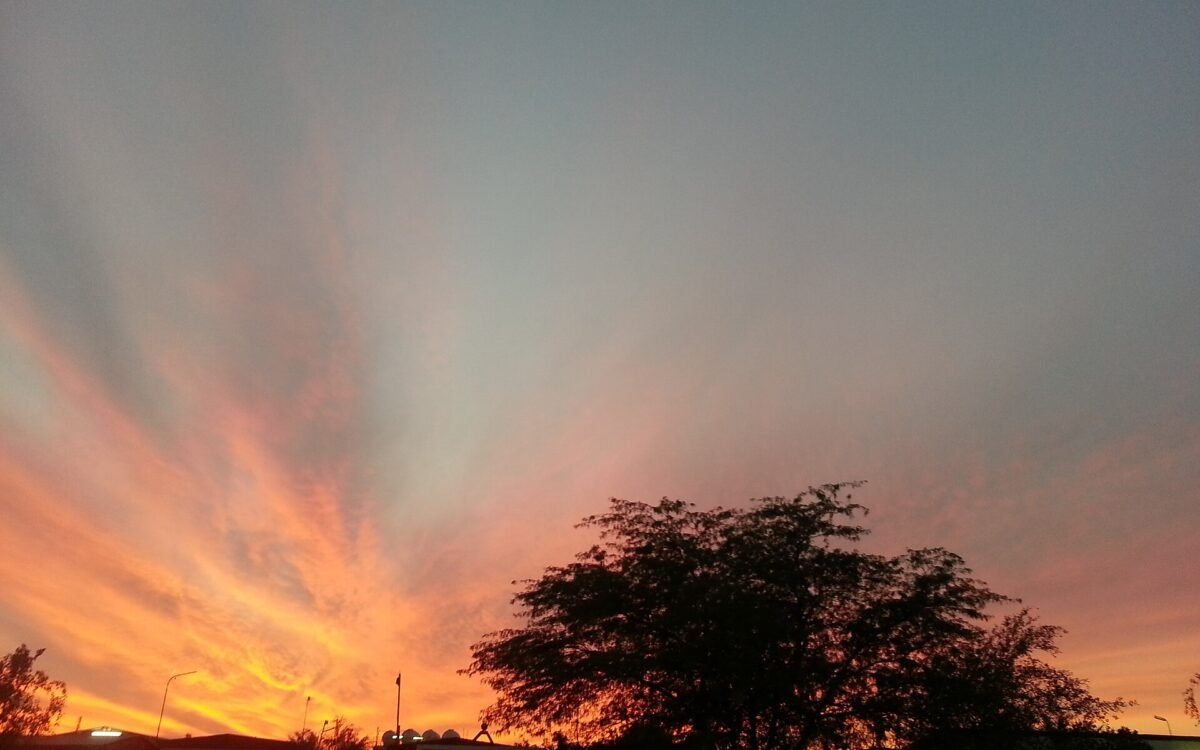
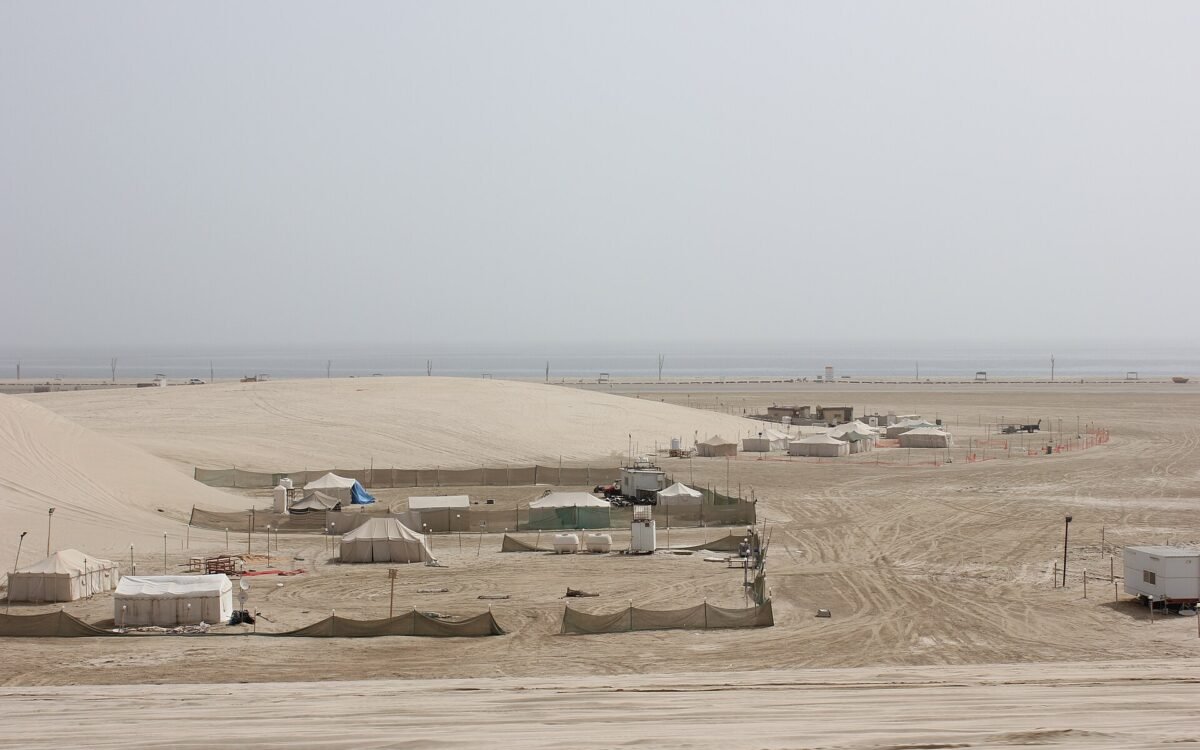
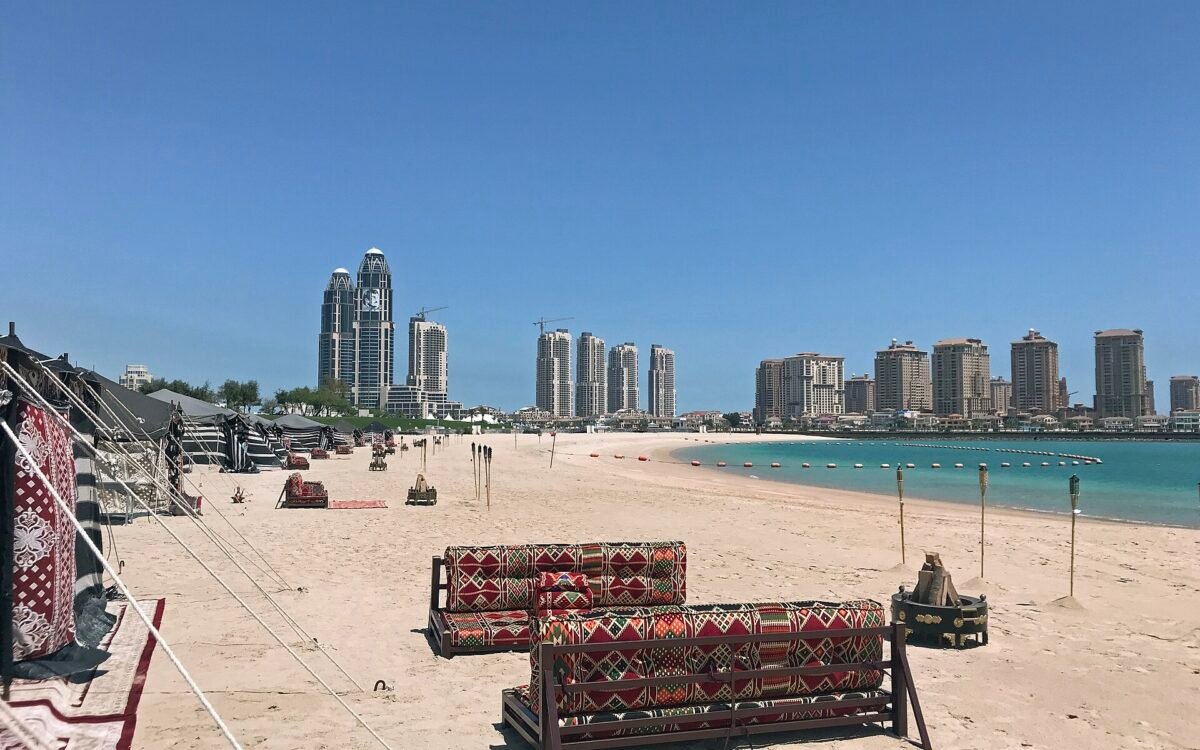
Most visitors see the same half-dozen sights in Doha: the Museum of Islamic Art, the main lanes of Souq Waqif, a stroll on the Corniche and a mall or two. All worth doing, but the city gets far more interesting a few steps away from them. A falcon hospital sits behind the souq car park. A free tram loops past four heritage-house museums most people walk straight by. A 24-metre steel sculpture stands at the tip of a park that tourists photograph from a distance. And in a convention centre on the edge of Education City there is a nine-metre bronze spider that many residents have never seen.
This guide gathers 25 of those places across Doha, Lusail, The Pearl and Al Rayyan, organised by neighbourhood so you can string them together without crossing the city twice. It mixes free sights, small museums, parks, cafés and long-running local restaurants, and it ends with two ready-made routes: a daytime walk through Souq Waqif, Msheireb and the Corniche, and an evening loop from Katara to Lusail and The Pearl.
Every entry links to our full guide for that place, and the practical sections cover transport, timing and etiquette.
At a glance
- Best cluster on foot: Souq Waqif, Msheireb and the southern Corniche, all within walking distance of Msheireb and Souq Waqif metro stations.
- Most of these places are free: the Falcon Souq, Msheireb Museums, Serra’s 7, Maman, The Miraculous Journey and Lawh Wa Qalam cost nothing to see.
- Best season: November to March. From June to September, plan indoor stops for the middle of the day and save outdoor walks for after sunset.
- Watch the closing days: the National Museum (and its Old Palace) closes on Tuesdays, Msheireb Museums on Sundays and Lawh Wa Qalam on Mondays.
- Getting around: the Doha Metro (QAR 2 a trip, QAR 6 for a day pass in standard class) plus Lusail Tram, the free Msheireb Tram and taxis cover almost everything here.
- Need a car for: Al Karaana Lagoon, Umm Al Seneem Park and, realistically, The Pearl.
- Evening tip: end the night the local way, with karak and a chapati from the stand at Katara.
Souq Waqif and old Doha
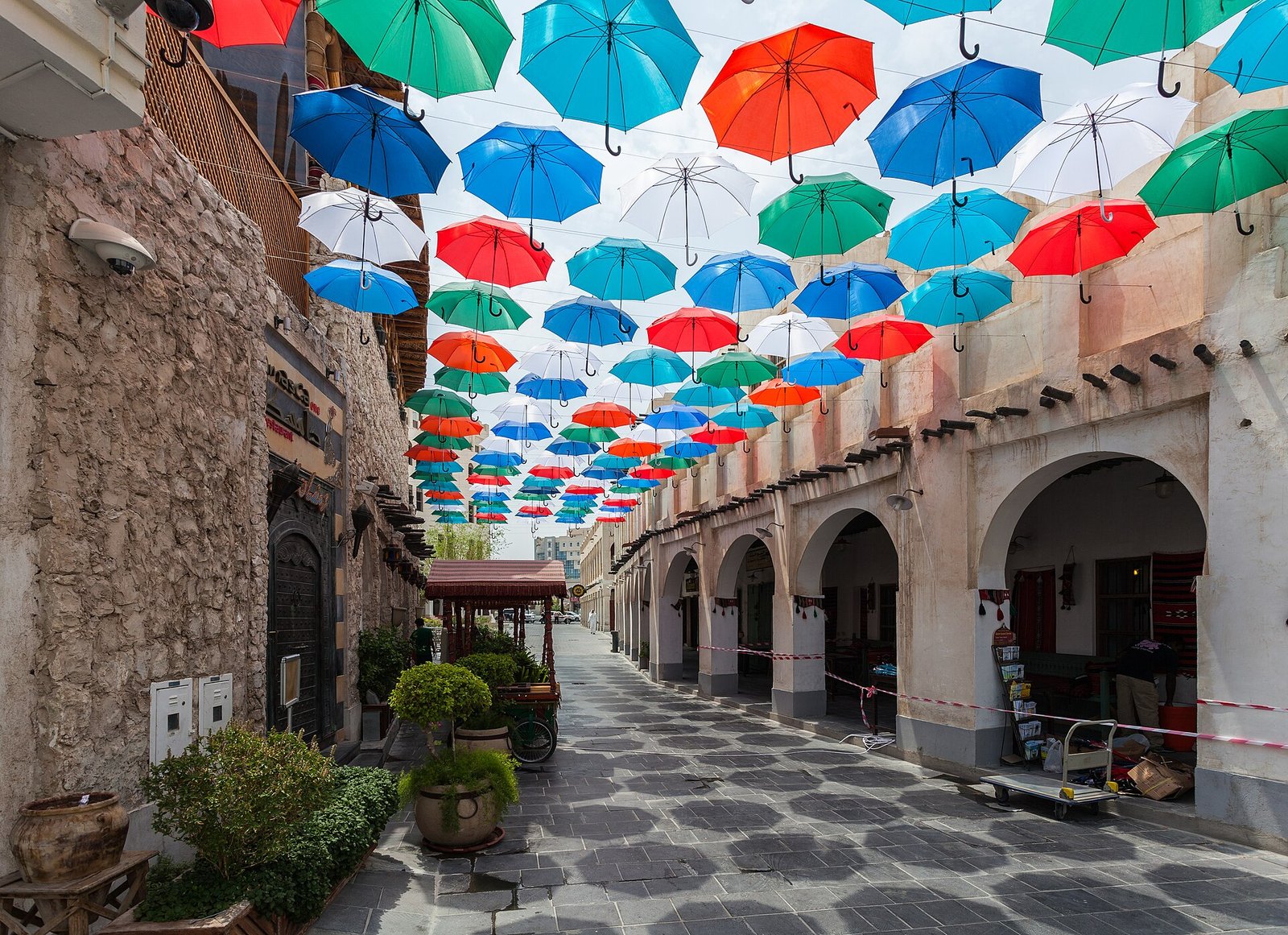
Souq Waqif is the opposite of hidden, but most people only see its central spice, textile and restaurant lanes. Its western edge, the gold arcade across the road and the waterfront opposite are where it gets more rewarding. Everything in this section is within a ten-minute walk of the others.
1. Falcon Souq and Falcon Hospital
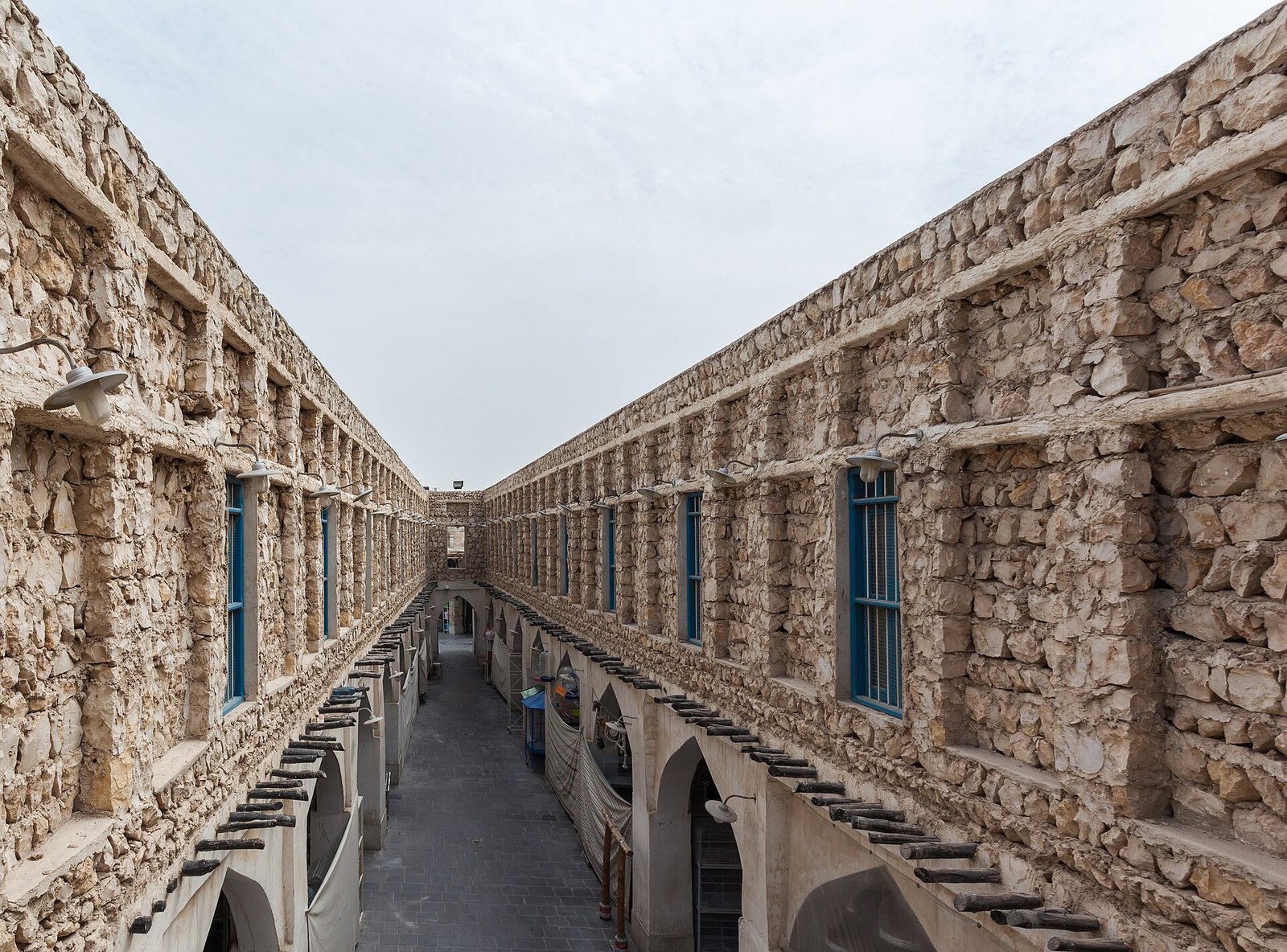
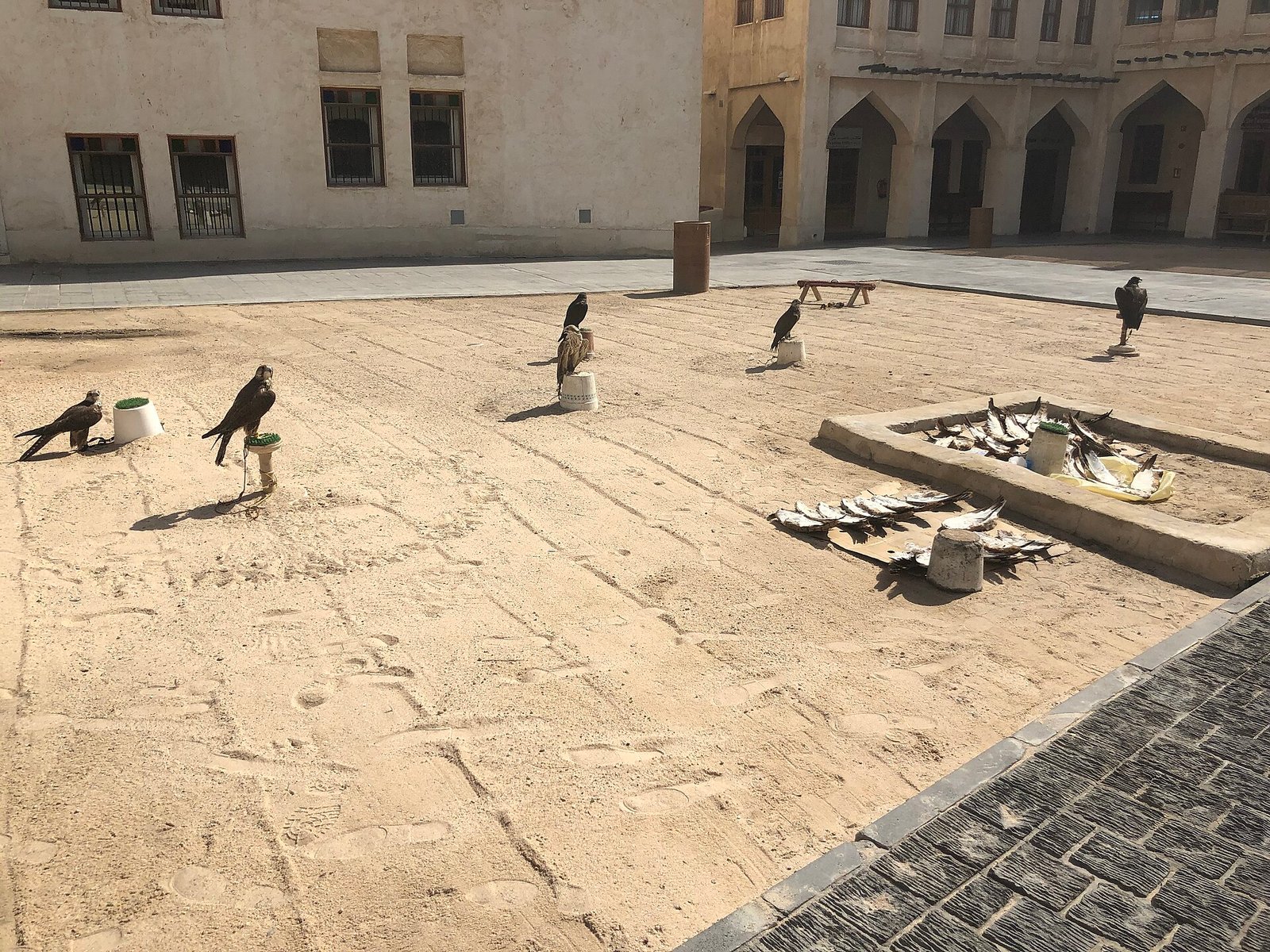
On the western side of the souq, next to the main car park on Al Jasra Street, there is a lane where the shop windows are full of hooded falcons rather than spices. Shelves hold hoods, gloves and tracking gear. Next door, the Souq Waqif Falcon Hospital is a specialist veterinary clinic that treats tens of thousands of birds a year.
The shops are busiest from about 4pm to 10pm, with some open in the morning; the hospital works Saturday to Thursday, roughly 7am to 2pm. It is free to look around, but always ask before photographing a bird or its owner, and never touch a falcon without permission. Read our full guide to the Falcon Souq and Falcon Hospital.
2. Souq Waqif horse stables and camel pen
A few minutes from the falcons, the souq keeps stables of Arabian horses, ridden through the market by its mounted heritage police, and a sandy pen where camels doze behind a row of stone arches. You can view both from outside from daytime into the early evening, and in winter the souq has hosted a horse festival, usually in January. Read our full guide to the horse stables and camel pen.
3. Gold Souq
Many visitors never find the Gold Souq, across the road east of Souq Waqif, around Ali Bin Abdulla Street and Souq Al Najada. Inside an ordinary-looking arcade, more than 40 shops glow with 18 and 22 carat bangles, bridal sets, coins and Arabic name pendants. Evenings and the weeks before Eid are the liveliest times. Browsing is free; prices follow the daily gold rate plus a making charge, which is where any bargaining happens. Read our full guide to the Gold Souq.
4. NOMAD Coffee in the Msheireb underpass
The pedestrian underpass between Souq Waqif and Msheireb Downtown is a place most people hurry through. Tucked into it is NOMAD, a tiny specialty coffee bar known for Yemeni beans and a house signature flavoured with cardamom and cinnamon. Hours vary, so check its Instagram before making a detour. Read our full guide to NOMAD Coffee.
5. Dhow Harbour on the southern Corniche
Cross from the souq to the Corniche and you reach the dhow harbour: wooden boats moored in sheltered water, the Pearl Monument at the entrance and the West Bay towers across the bay. Some take visitors on short shared rides, mostly from the afternoon into the evening, typically around QAR 20 to 25 per person. Come at sunset, when the boats switch on their coloured lights and the skyline starts to glow. Read our full guide to the Dhow Harbour.
Msheireb Downtown
Just south-west of the souq, Msheireb Downtown Doha replaced one of the city’s oldest neighbourhoods with shaded, cream-coloured streets and courtyards. It is easy to treat it as a shortcut to the metro. Slow down and it holds some of the most thoughtful small museums in the country.
6. Msheireb Museums
Four restored heritage houses, each a free museum with its own subject. Bin Jelmood House tells the story of slavery and human exploitation, including in the Gulf. Company House follows Qatar’s first oil workers. Mohammed Bin Jassim House covers the history and rebuilding of Msheireb, and Radwani House shows everyday family life before oil, with archaeological finds under glass in the floor. Allow two to three hours for all four. They open Monday to Thursday and Saturday from 9am to 5pm and Friday from 3pm to 9pm, and are closed on Sundays. Read our full guide to Msheireb Museums.
7. The Msheireb Tram heritage loop
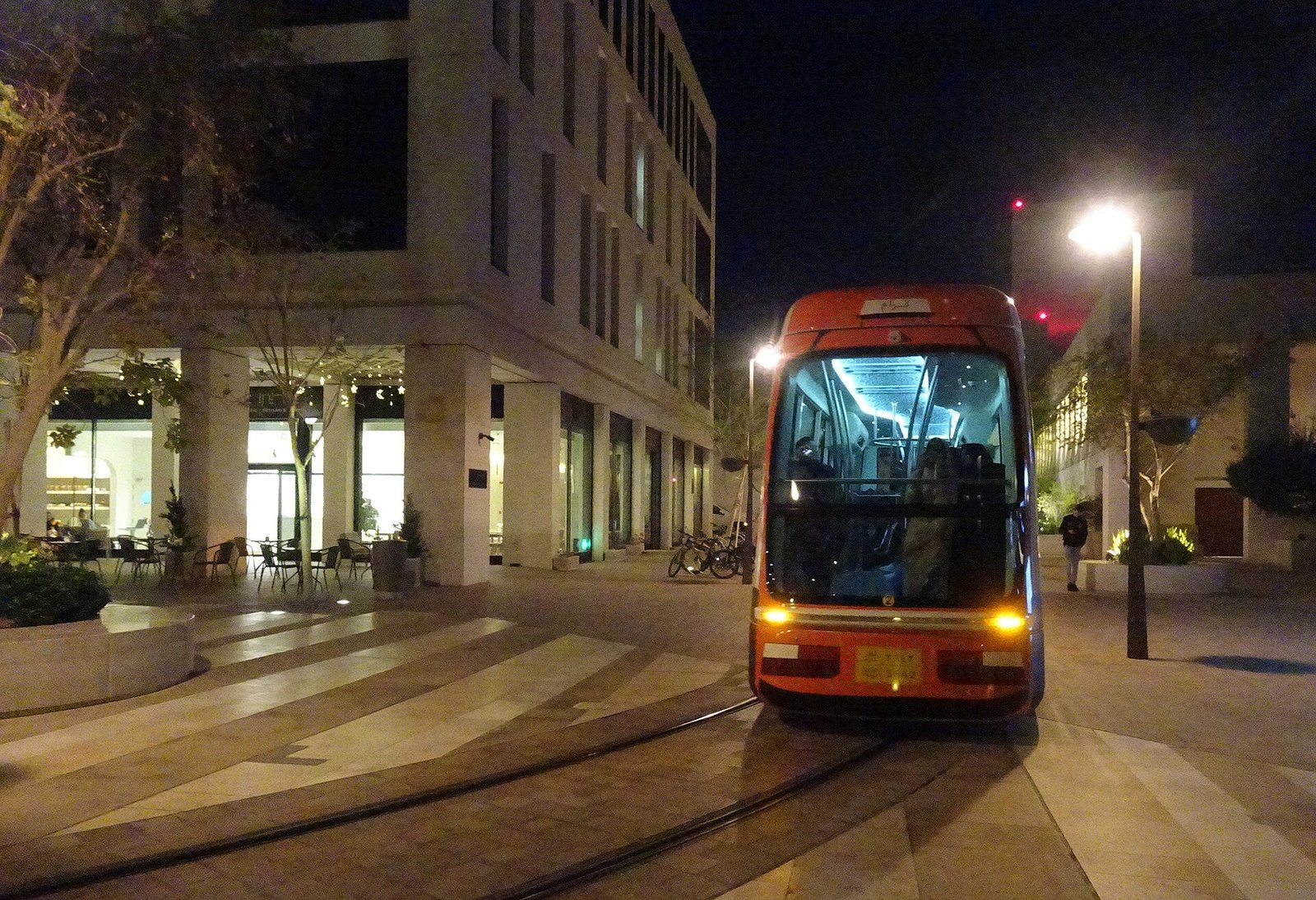
The district’s small, free tram runs a loop of about 18 minutes with nine stops. Use it instead as the spine of a heritage walk: ride the full loop to get your bearings, then hop off near the museum houses, Al Kahraba Street (remembered as the country’s first fully lit street) and Al Baraha, the district’s big public square. The tram runs Saturday to Thursday from 9am to 12pm and 4pm to 9pm, and on Fridays from 4pm to 9pm. While you are on Al Kahraba Street, Savant Café is a good stop (see the cafés section below). Read our full guide to the Msheireb Tram heritage loop.
The Corniche and the museum quarter
The seven-kilometre curve of the Corniche links the old centre with West Bay. Its ends hold some of the city’s best quiet corners.
8. Richard Serra’s 7, MIA Park
At the far end of the crescent-shaped promenade in MIA Park, about as far into Doha Bay as you can walk, stands a 24-metre tower of seven steel plates by the American sculptor Richard Serra. Walk the 10 to 15 minutes out to it, step inside through one of the triangular openings at the base and look up: the noise of the city drops away and you see a sliver of sky. The park is open around the clock and the sculpture is free. Go in the late afternoon and stay into blue hour, when the West Bay skyline lights up across the water. Read our full guide to Serra’s 7.
9. The Old Palace at the National Museum of Qatar
Jean Nouvel’s “desert rose” building gets the attention, but the whole National Museum was designed around something older: the restored early 20th-century palace of Sheikh Abdullah bin Jassim Al Thani, which from 1975 housed Qatar’s first national museum. Qatar Museums calls it the museum’s largest artefact. Give it 30 to 45 minutes on its own. Entry is included in the museum ticket (QAR 50 for non-residents, free for QID holders and under-16s). The museum opens Saturday to Monday and Wednesday from 9am to 7pm, Thursday from 9am to 9pm and Friday from 1.30pm to 7pm, and is closed on Tuesdays. National Museum station on the Gold Line is right beside it. Read our full guide to the Old Palace.
10. Bayt Sharq
Just inland from the eastern Corniche, a few minutes from the National Museum, Bayt Sharq serves Qatari home cooking in a restored family house that is roughly a century old. You eat in a leafy courtyard, on a veranda or in private cabanas surrounded by old boats and fishing gear. Try balaleet at breakfast, or harees, madrooba and machboos later. The MICHELIN Guide includes it in its Doha selection, and prices are mid-range. Read our full guide to Bayt Sharq.
11. Old Doha Port and the Mina District
Beyond the Museum of Islamic Art, Doha’s former cargo harbour has become a waterfront district of pastel buildings, murals, a container-built marina yard and a quayside promenade looking back at West Bay. Early morning is best for photographs. There is no metro station at the port; the walk from National Museum station takes about 20 minutes, so in hot weather take a short taxi ride instead. Read our full guide to Old Doha Port and the Mina District.
12. Al Bidda Park
At the western end of the Corniche, Al Bidda Park stretches far further inland than drivers on the Corniche realise. At around 170 hectares it is one of the city’s largest parks, and since hosting the International Horticultural Expo 2023 it has become Doha’s main everyday green space, with long cycling and running tracks, playgrounds, barbecue areas and lawns where dogs are welcome. It is open daily from 4am to midnight (hours may vary in summer). Al Bidda station on the Red and Green lines is right beside it. Read our full guide to Al Bidda Park.
Old neighbourhoods: Bin Mahmoud and Al Nasr
West of Msheireb, the districts of Fereej Bin Mahmoud and Al Nasr are ordinary working neighbourhoods packed with small restaurants. This is where long-term residents go to eat, at a fraction of hotel prices.
13. Beirut Restaurant
Behind a big red frontage in Fereej Bin Mahmoud, this Lebanese family restaurant has been serving hummus, fuul, falafel and msabbaha to Doha since around 1960. A weekend breakfast here is a Doha ritual. Budget prices; Bin Mahmoud station on the Gold Line is a short walk away. Read our full guide to Beirut Restaurant.
14. Turkey Central
A loud, busy, family-run Turkish grill on Al Mirqab Al Jadeed Street in Al Nasr, feeding the city since 1988. The menu runs to charcoal mixed grills, pide and mezze with fresh bread, and Time Out Doha highly commended it in its 2025 awards for the city’s best budget restaurants. Time Out lists it as open daily from 11am to 1am. Read our full guide to Turkey Central.
Education City and Al Rayyan
The Qatar Foundation campus in Al Rayyan, on the western side of Doha, is where you will find some of the most striking art in the country, most of it free and much of it overlooked because it sits on a university campus or outside a hospital. The Green Line serves the area (Qatar National Library and Al Shaqab stations), but distances between sights are long, so a taxi or car helps. If you have children with you, the 3-2-1 Qatar Olympic and Sports Museum at nearby Aspire Zone makes a good add-on.
15. Maman by Louise Bourgeois
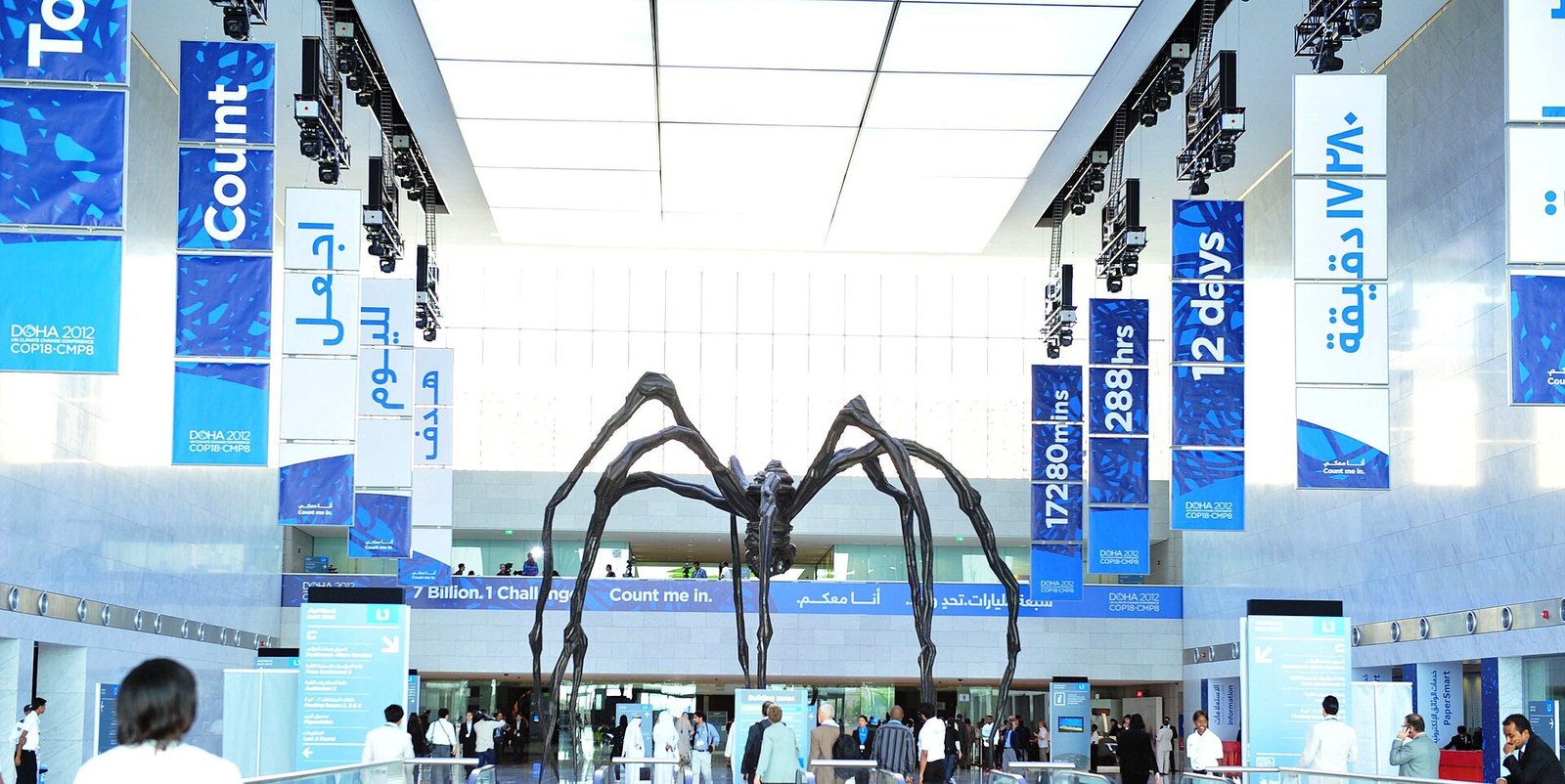
In the glass-roofed foyer of the Qatar National Convention Centre (QNCC) stands one of Louise Bourgeois’s giant bronze spiders: about nine metres high and more than ten metres across, carrying a sac of marble eggs beneath its body. Because it sits in a conference venue, many people miss it. The foyer is open when public events are on, so check the QNCC calendar and plan your visit around an exhibition or fair. Entry is free. Read our full guide to Maman.
16. The Miraculous Journey by Damien Hirst
Outside Sidra Medicine, the women’s and children’s hospital on the edge of Education City, fourteen huge bronzes by Damien Hirst follow a baby’s development from conception to birth, ending with a 14-metre newborn. Walk the line one figure at a time instead; it takes 20 to 30 minutes and costs nothing. Use the hospital’s visitor parking, not the drop-off zones. Read our full guide to The Miraculous Journey.
17. Lawh Wa Qalam: M. F. Husain Museum
Qatar Foundation opened this museum on 28 November 2025, and in 2026 TIME named it one of the World’s Greatest Places. It is devoted to Maqbool Fida Husain, the Indian modernist who spent his last years in Qatar, and the building itself grew out of one of his sketches. Four galleries trace his life from painting cinema billboards in Bombay to his vast final installation, made in Doha. Entry is free. It opens Saturday, Sunday and Tuesday to Thursday from 10am to 5pm and Friday from 1.30pm to 7.30pm, and is closed on Mondays. Allow 90 minutes to two hours. Read our full guide to Lawh Wa Qalam.
18. Oxygen Park
A 13-hectare park in the middle of Education City, designed with rolling ridges, sunken paths, shaded passages and a looping running track. After dark, glowing balloon lamps light the paths, which makes it a lovely place for an evening walk in winter. Free, open daily from about 6am until late. Read our full guide to Oxygen Park.
19. Al Shaqab Equestrian Centre
Qatar’s national centre for the Arabian horse covers almost a square kilometre on the edge of Education City. Its horses have air-conditioned stables, treadmills and hydrotherapy pools. Guided tours run by arrangement, Sunday to Thursday during working hours (about 7.30am to 3.30pm), so book ahead and confirm the cost when you do. Al Shaqab station on the Green Line is the nearest metro stop. A short drive further west, Al Wajbah Fort marks the site of the 1893 battle against the Ottomans; it has no published opening hours, so treat it as a view from outside. Read our full guide to Al Shaqab.
20. Umm Al Seneem Park, Ain Khaled
An everyday neighbourhood park south of Salwa Road, with one remarkable feature: a 1,143-metre walking and jogging loop cooled by outdoor air-conditioning. Guinness World Records certified it in October 2022 as the world’s longest air-conditioned outdoor path. The cooling runs roughly from 3pm to 11pm, which makes it one of the few places where a summer afternoon walk is comfortable. Free, with a large car park; there is no metro station within walking distance. Read our full guide to Umm Al Seneem Park.
21. Al Karaana Lagoon
The odd one out in this list, and the furthest: a cluster of man-made lagoons about 60 km south-west of Doha off Salwa Road, on a site that was once one of the most polluted in Qatar. Today the reed-lined lagoons draw wetland and migrating birds, including ospreys and herons. There are no facilities at all, and the last stretch is on gravel tracks; visitors have driven it in ordinary cars, slowly. Go early on a winter morning with water and binoculars. Read our full guide to Al Karaana Lagoon.
Katara, Lusail and The Pearl
North of West Bay, three newer districts sit close together along the coast: Katara Cultural Village, the Marina District of Lusail and the man-made island of The Pearl. All three come alive after sunset.
22. Katara pigeon towers
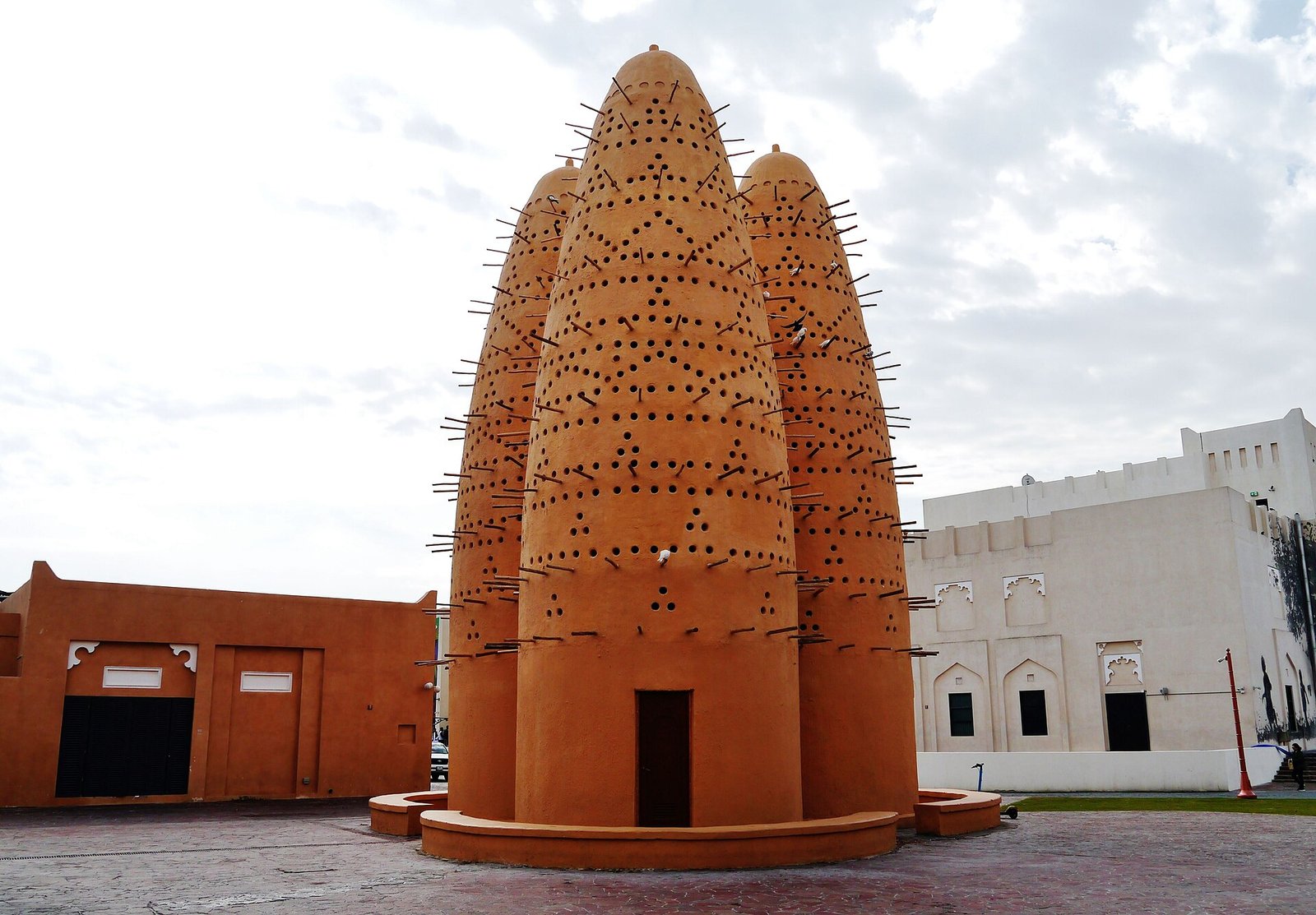
On the slope at the back of Katara, beside the blue-tiled Katara Mosque, stand tall clay and brick dovecotes bristling with wooden perches. They are among the most recognisable shapes in Doha, yet many visitors head straight for Katara’s beach or restaurants and never walk up to them. Come in the hour before sunset, when the clay turns warm gold, and look for all five. Free; Katara station on the Red Line serves the village. Read our full guide to the Katara pigeon towers.
23. Chapati & Karak, Katara
A no-frills tea and flatbread stand that has become one of Doha’s best-known late-night stops. After dark, especially at weekends, cars queue beside it while staff bring paper cups of sweet, spiced karak and folded chapatis to the window. It costs a few riyals; just follow the line of cars into Katara. Read our full guide to Chapati & Karak.
24. Lusail Marina Promenade
A palm-lined waterfront walk around the marina in Lusail’s Marina District, with yachts on one side, new towers on the other and the curved twin Katara Towers dominating every view. By day it is calm; after sunset the towers light up, the fountains glow and families come out to stroll. The easiest way in is the Red Line to Legtaifiya, then the Lusail Tram to Marina South, Marina Central, Yacht Club or Marina North. For the view from above, Plan B Café is on the 20th floor of a tower right on the marina (see below). Read our full guide to Lusail Marina Promenade.
25. Qanat Quartier, The Pearl
The Pearl’s Venice-inspired district: turquoise canals, pastel apartment buildings, arched bridges and little squares with fountains. The streets and canal-side cafés are open to everyone; come at sunrise or in the hour before sunset. Short boat rides operate on the canals for a fee. The Pearl has no metro station; the nearest is Legtaifiya on the Red Line, from where you need a feeder bus or taxi, so most people drive or use a ride-hailing app. Parking can queue on winter weekend evenings. Read our full guide to Qanat Quartier.
Hidden cafés worth seeking out
Doha’s homegrown coffee scene is one of the best in the region, but the good places are often in an underpass, on a 20th floor or behind a souq courtyard. Hours change often, so check Instagram first.
Athr Café, Souq Waqif
A courtyard café near the perfume lanes, with a fountain and heritage décor and a sense of privacy that is rare in the souq. You can walk past the entrance several times before you notice it. Traditional Qatari coffee and balaleet make it a good breakfast stop; it may close in the middle of the day. Read our full guide to Athr Café.
Savant Café, Msheireb
A locally owned, gallery-like café on Al Kahraba Street, recommended by residents for a proper breakfast in the city centre. It balances specialty espresso drinks and Spanish lattes with Arabic coffee served in a dallah. Prices are on the premium side. Read our full guide to Savant Café.
Kava Koffee, Katara
A homegrown specialty brand founded in 2018, in a heritage-style building inside Katara with a terrace close enough to the sea to catch the breeze. It is known for flat whites and cold brew in glass bottles, and it is a calm alternative to Katara’s big waterfront restaurants, especially early in the morning. Read our full guide to Kava Koffee.
Plan B Café, Lusail
Easy to miss because it is not at street level: take the lift to the 20th floor of Marina Twin Tower A. The reward is a sweeping view across Lusail’s waterfront to the Katara Towers, plus home-roasted espresso and creative drinks. Read our full guide to Plan B Café.
Harvest Coffee, Porto Arabia
The original branch of the homegrown roaster founded in 2019, on the Porto Arabia marina at The Pearl. In 2026 Harvest was ranked No. 44 among the World’s 100 Best Coffee Shops, the highest global ranking yet for a Qatari coffee brand. Go early, when the marina is quiet. Read our full guide to Harvest Coffee.
Volume Café, Qanat Quartier
A two-storey café on the Qanat Quartier boardwalk, open since 2017, with canal-side terraces downstairs and a library upstairs where you can take a book off the shelf and read with your coffee. Its honey cake has a loyal following. Read our full guide to Volume Café.
Local eats beyond the hotel restaurants
Alongside Bayt Sharq, Beirut, Turkey Central and the karak stand at Katara (all covered above), two Souq Waqif institutions belong on any list of places residents actually eat.
Shay Al Shoomoos, Souq Waqif
A small, busy breakfast room on the ground floor of Al Bidda Hotel, run by Shams Al Qassabi, one of the best-known names in Doha’s food scene. The food is what many Qatari families cook at home on a weekend morning: thin regag bread, eggs with tomato, sweet saffron vermicelli (balaleet) and milky tea. Budget prices; it is mainly a breakfast spot, so go early. Read our full guide to Shay Al Shoomoos.
Bandar Aden, Souq Waqif
The souq’s long-running Yemeni restaurant, known for smoky lamb mandi, bubbling saltah and private carpeted rooms where you sit on the floor and share platters. Its website lists hours of 8am to 11pm Saturday to Thursday and 12.30pm to 11pm on Fridays. Weekday lunch is calmer than weekend evenings. Read our full guide to Bandar Aden.
If you want to sleep close to all this, the Souq Waqif Boutique Hotels put you inside the market itself.
All 25 hidden gems at a glance
| Gem | Neighbourhood | Type | Cost | Best time |
|---|---|---|---|---|
| Falcon Souq & Falcon Hospital | Souq Waqif | Market / heritage | Free | 4pm onwards (hospital mornings) |
| Horse stables & camel pen | Souq Waqif | Heritage | Free | Late afternoon |
| Gold Souq | Souq Al Najada | Market | Free to browse | Evenings |
| NOMAD Coffee | Msheireb underpass | Café | Specialty coffee prices | Weekday afternoons |
| Dhow Harbour | Southern Corniche | Waterfront | Free; rides approx. QAR 20–25 | Sunset |
| Msheireb Museums | Msheireb | Museum | Free | Weekday mornings (closed Sun) |
| Msheireb Tram loop | Msheireb | Experience | Free | From 4pm |
| Serra’s 7 | MIA Park, Corniche | Public art | Free | Late afternoon to blue hour |
| Old Palace, NMoQ | Corniche (south) | Museum | QAR 50 non-residents | Afternoons (closed Tue) |
| Bayt Sharq | Eastern Corniche | Qatari restaurant | Mid-range | Breakfast or evening |
| Old Doha Port & Mina District | Corniche (east) | Waterfront / photography | Free | Early morning or sunset |
| Al Bidda Park | Corniche (west) | Park | Free (paid parking) | Early morning or evening |
| Beirut Restaurant | Fereej Bin Mahmoud | Lebanese restaurant | Budget | Breakfast |
| Turkey Central | Al Nasr | Turkish grill | Budget | Afternoon or early evening |
| Maman | Education City | Public art | Free | During a QNCC event |
| The Miraculous Journey | Al Rayyan (Sidra) | Public art | Free | Late afternoon |
| Lawh Wa Qalam | Education City | Museum | Free | Weekday afternoons (closed Mon) |
| Oxygen Park | Education City | Park | Free | Early morning or after dark |
| Al Shaqab | Education City | Equestrian tour | Confirm when booking | Weekday mornings |
| Umm Al Seneem Park | Ain Khaled | Park | Free | Summer afternoons (cooled track) |
| Al Karaana Lagoon | South-west of Doha | Nature / birds | Free | Winter, early morning |
| Katara pigeon towers | Katara | Heritage / photography | Free | Hour before sunset |
| Chapati & Karak | Katara | Street food | Budget | Late evening |
| Lusail Marina Promenade | Lusail | Waterfront | Free | Sunset and after dark |
| Qanat Quartier | The Pearl | Neighbourhood walk | Free | Sunrise or before sunset |
Walking route: Souq Waqif, Msheireb and the Corniche
This route links eight of the gems on foot, with the metro at both ends. Allow a full day with a midday break, ideally between November and March. Start at Msheireb station (Red, Green and Gold lines).
- Breakfast, early: walk ten minutes to Souq Waqif for a Qatari breakfast at Shay Al Shoomoos, or coffee and balaleet at Athr Café. The lanes are quiet at this hour.
- Msheireb Museums, from 9am: walk back through the underpass (stopping at NOMAD if it is open) to the Heritage Quarter. Pick two of the four houses if you are short of time; Bin Jelmood and Radwani make a strong pair. Remember they are closed on Sundays.
- Al Kahraba Street and the tram, late morning: walk the old electricity street, have a coffee at Savant, then ride the Msheireb Tram loop before it pauses at midday (it runs 9am to 12pm and again from 4pm, except Fridays, when it only runs from 4pm).
- Lunch and a break, 1pm to 3.30pm: mandi at Bandar Aden in the souq, or a short metro hop on the Gold Line to Bin Mahmoud for hummus at Beirut. Then rest while the souq shops are shut.
- Falcon Souq and stables, from 4pm: the falcon shops reopen and the light softens. The horse stables and camel pen are a few minutes away.
- Gold Souq, about 5pm: cross the road to the east for half an hour among the jewellery windows.
- Dhow Harbour at sunset: cross to the Corniche, watch the dhows light up and, if you like, take a short shared ride.
- Serra’s 7 at blue hour: walk east along the Corniche to the Museum of Islamic Art, then 10 to 15 minutes out along MIA Park’s crescent to the sculpture as the West Bay towers light up.
- Dinner: walk or take a short taxi back to the souq, or to Bayt Sharq on the eastern Corniche. Souq Waqif station on the Gold Line takes you home.
On any day except Tuesday, if you would rather see a big museum, swap steps 2 and 3 for the National Museum and its Old Palace (National Museum station, one stop from Souq Waqif on the Gold Line).
Evening route: Katara, Lusail and The Pearl
The northern districts are at their best from late afternoon until late at night. A car or ride-hailing app makes this route easy; on public transport you can do the first two stops, then take a taxi to The Pearl.
- Katara, an hour before sunset: coffee at Kava Koffee, then walk up to the pigeon towers beside Katara Mosque for the golden light.
- Lusail Marina, after sunset: drive 15 to 25 minutes north, or take the Red Line from Katara to Legtaifiya and change to the Lusail Tram for the Marina stations. Walk the promenade as the Katara Towers light up, then ride up to Plan B on the 20th floor of Marina Twin Tower A for the view.
- The Pearl, evening: a short taxi ride takes you to Qanat Quartier for a canal-side stroll, then Volume Café or the Porto Arabia marina and Harvest Coffee.
- Late night: finish back at Katara in the queue of cars at Chapati & Karak.
Getting around
Doha Metro
Three lines cover almost every gem in this guide. The Red Line runs along the coast from Lusail through Legtaifiya, Katara, West Bay and Al Bidda to the airport and Al Wakrah. The Gold Line is the “historic” line, serving National Museum, Souq Waqif, Msheireb, Bin Mahmoud and Aspire Zone (Sport City). The Green Line runs west from Msheireb and Al Bidda to Education City, with stations at Qatar National Library and Al Shaqab. Msheireb is the interchange for all three.
Since January 2025 the metro has run from 5am to 1am Saturday to Thursday and from 9am to 1am on Fridays (hours change during Ramadan and on some holidays). A standard single journey costs QAR 2 and fares are capped at QAR 6 a day; Gold Class costs QAR 10 a trip. You need a Travel Card (the reusable standard card costs QAR 10, with no credit included) or a limited-use ticket from the station machines. Eating and drinking are not allowed on board.
Trams
The Lusail Tram connects with the Red Line at Legtaifiya and serves the Marina District; the same travel card works on both. The free Msheireb Tram loops around Msheireb Downtown (Saturday to Thursday 9am to 12pm and 4pm to 9pm, Friday 4pm to 9pm).
Taxis, ride-hailing and buses
Karwa taxis (the turquoise official taxis) and Uber both operate in Doha, and the Karwa app also books rides; Careem stopped operating in Qatar in 2023. Metrolink feeder buses run from many metro stations, including services from Legtaifiya towards The Pearl, and Qatar Rail’s on-demand Metroexpress shuttles serve selected areas via the Karwa app. For Umm Al Seneem Park, Al Wajbah and Al Karaana Lagoon you need a car or a taxi; there is no practical public transport.
Best times, etiquette and mistakes to avoid
When to go
- November to March is the best time for everything here: warm days, cool evenings and most outdoor events.
- April, May and October are hot but workable if you do outdoor stops early or after sunset.
- June to September is very hot and humid. Build the day around air-conditioned stops (Msheireb Museums, the National Museum, Lawh Wa Qalam, NOMAD) and save the Corniche, Katara and Qanat Quartier for after dark. Umm Al Seneem’s cooled track is one of the few comfortable outdoor walks in summer.
- Fridays: many places open later in the day (the metro from 9am, museums from the early afternoon), and some souq shops close around midday prayers.
- Ramadan: dates shift about 11 days earlier each year (in 2027 it is expected to begin in early February). Hours change, eating and drinking in public during daylight is not allowed, and evenings become very lively.
Etiquette
- Dress modestly in public places: cover shoulders and knees, especially in the souqs, museums, Education City and anywhere near a mosque.
- Ask before photographing people, particularly women and families, and the falconers and their birds.
- Some areas and times are for families. Respect signs and family sections on the metro and in parks.
- No alcohol in public. It is served only in licensed hotel venues; none of the cafés or restaurants in this guide serve it.
- Leave no trace at Al Karaana and in the parks: take your rubbish home and keep a distance from the birds.
Mistakes first-timers make
- Going to Souq Waqif at midday. Many shops, including the falcon shops, are shut until mid-afternoon.
- Turning up on the closing day. National Museum on Tuesdays, Msheireb Museums on Sundays, Lawh Wa Qalam on Mondays.
- Expecting to walk into the QNCC any time. Maman is in the foyer, which is open during events; plan around the events calendar.
- Underestimating distances. Group your gems by neighbourhood rather than crossing the city on foot.
- Heading to Al Karaana unprepared. There are no facilities, shade or shops. Take water, fuel up beforehand and download the map.
Frequently asked questions
What are the best hidden gems in Doha?
For a first trip, combine the Falcon Souq and horse stables at Souq Waqif, the four free Msheireb Museums, Richard Serra’s 7 at the tip of MIA Park and the Old Palace at the National Museum. With more time, add Education City’s free art and an evening at Katara, Lusail and The Pearl.
Are these places free to visit?
Most are. The Falcon Souq, stables, Gold Souq, Msheireb Museums, Msheireb Tram, Serra’s 7, Maman, The Miraculous Journey, Lawh Wa Qalam, Oxygen Park, Al Bidda Park, Umm Al Seneem Park, Al Karaana Lagoon, the Katara pigeon towers, Lusail Marina and Qanat Quartier are all free. The National Museum (and its Old Palace) charges non-residents QAR 50; dhow rides, Al Shaqab tours, cafés and restaurants cost extra.
Can I see Doha’s hidden gems without a car?
Yes, for most of them. The Doha Metro reaches Souq Waqif, Msheireb, the National Museum, Al Bidda, Katara, Lusail (via the Lusail Tram) and Education City. You need a taxi or car for The Pearl (or a feeder bus from Legtaifiya), Umm Al Seneem Park, Al Wajbah and Al Karaana Lagoon.
How many days do I need?
Two full days covers the essentials: one for Souq Waqif, Msheireb and the Corniche, and one split between Education City in the day and Katara, Lusail and The Pearl in the evening. Add a morning for Al Karaana Lagoon if you are interested in birds.
Where can I see falcons in Doha?
At the Falcon Souq on the western side of Souq Waqif, where shops sell birds and falconry gear, and next door at the Souq Waqif Falcon Hospital. The shops are busiest from about 4pm to 10pm.
Is Maman always open to the public?
The sculpture stands in the foyer of the Qatar National Convention Centre, which is accessible when public events are on. Check the QNCC events calendar and time your visit to coincide with an exhibition or fair.
Last checked October 2026. Rules, fees and access can change, so confirm with the official source before you go.