The best Qatar itinerary depends on two things: how many days you have, and what month you are travelling in. With a single day or a long layover, stay in Doha and string together Souq Waqif, the Corniche and Museum of Islamic Art park, finishing with dinner in the souq. With three days, add the city’s newer districts and one trip out of town, usually the dunes at Sealine or an Inland Sea safari. With five days you can reach the UNESCO-listed ruins of Al Zubarah in the north and the camel country and beaches of the west. A full week lets you sleep in the desert, paddle the Al Thakira mangroves and explore the strange limestone landscape of Zekreet.
Qatar is small, so none of this needs hotel changes. Every plan below uses one base in Doha and day trips of 20 minutes to two hours each way. What makes or breaks a trip is timing: museums that close on different weekdays, heritage sites with Friday afternoon openings, beaches with seasonal or family-only days, and a sun that sets before 5pm in December and becomes dangerous at midday in July.
We built these day-by-day plans from our own place guides, so each stop links to a page with directions, map pins, hours and current access notes. Each day is split into morning, afternoon and evening, with drive times, the stops that need a 4×4 or a tour, where to eat, and a summer version for anyone visiting between May and September.
At a glance
- 1 day or a layover: Souq Waqif, MIA Park and the Corniche, with a dhow ride at sunset. The metro covers almost all of it.
- 3 days: two days in Doha (old town, then Msheireb, the National Museum, Katara and The Pearl) plus one day south to Al Wakrah, the Singing Sand Dunes and Sealine.
- 5 days: add a north-west heritage day (Al Zubarah, Al Ruwais) and a west-coast day (Al Shahaniya, Dukhan). A normal hire car is enough.
- 7 days: add Zekreet and Richard Serra’s desert sculpture (SUV or 4×4 advised), Al Khor’s mangroves, and a night at the Inland Sea with a licensed operator.
- Best months: November to March. From June to September plan outdoor time for sunrise or after sunset only.
- Closures to know: Fuwairit Beach shuts 1 April to 1 August, Simaisma Beach is closed for redevelopment, Zekreet Fort is temporarily closed, Al Jumail is fenced, and Al Zubarah closes at 5pm.
- Getting around: metro and taxis in Doha; a hire car or tours for everything outside the city.
How these itineraries work
Each plan builds on the one before it. The three-day plan is the one-day plan plus two days; the five-day plan adds two more; the week adds the last two. If you have four or six days, take the shorter plan and pick the extra day that appeals most.
A few assumptions sit behind the timings:
- One base in Doha. Stay near a Red Line or Gold Line metro station (West Bay, Msheireb, the Corniche or Souq Waqif) and you can do the city days without a car. Our guide to the Souq Waqif Boutique Hotels covers the most atmospheric option.
- A hire car from day three or four. Outside Doha, public transport is thin. Al Wakrah is on the metro, but the north, the west and the desert need a car, a driver or a tour.
- Winter timings by default. The plans assume a weekday between November and March. Each day has a summer version, and the section on summer versus winter explains how to reshape a whole trip.
- The weekend is Friday and Saturday. Many attractions open late on Friday, typically after midday prayers, and roads to the beaches and desert are busiest on Friday and Saturday.
Drive times are from central Doha in normal traffic. Add 20 to 30 minutes at rush hour, roughly 6.30 to 8am and 1 to 3pm on weekdays, when the ring roads and the Corniche slow down.
Qatar itinerary summary table
This is the full seven-day plan on one screen. The shorter plans use the first one, three or five days, with the swaps explained in each section.
| Day | Area | Highlights | Transport |
|---|---|---|---|
| 1 | Old Doha and the Corniche | Souq Waqif, Falcon Souq, MIA Park and Serra’s 7, dhow harbour at sunset | Metro (Gold/Red Line) and walking; taxi |
| 2 | Msheireb, Museum Park, Katara, The Pearl | Msheireb Museums, National Museum of Qatar, Katara pigeon towers, Qanat Quartier, Lusail Marina | Metro plus taxi or ride-hailing |
| 3 | South: Al Wakrah and Sealine | Singing Sand Dunes, Sealine Beach, Al Wakrah souq dinner; optional Inland Sea safari | Hire car (normal car) or tour; 4×4 tour for the Inland Sea |
| 4 | North-west heritage coast | Al Zubarah UNESCO site, Shadows Travelling on the Sea of the Day, Al Ruwais old port, Al Jumail from outside | Hire car (normal car); 75–90 min each way |
| 5 | West and centre | Al Shahaniya camels, Sheikh Faisal Museum, Dukhan Beach or Umm Bab at sunset | Hire car (normal car) |
| 6 | Zekreet Peninsula | Mushroom Rocks, Ras Abrouq (in Brouq Season), East-West/West-East by Richard Serra | SUV or 4×4 advised; tours available |
| 7 | Al Khor, then the desert | Al Thakira mangrove kayak, Purple Island, then an overnight at Khor Al Adaid | Hire car to Al Khor; licensed 4×4 operator for the desert |
For more ideas to swap in, see our guides to the best day trips from Doha and the city’s hidden gems.
Doha layover or 1 day in Qatar
One day is enough to see the heart of Doha: the old market, the waterfront and the city’s most famous museum building. It is also the right plan for a stopover at Hamad International Airport, provided your layover is long enough and you are allowed to enter the country.
Can you leave the airport on a layover?
Entry rules depend on your passport, so check them for your nationality before you book. As of October 2026, Visit Qatar says citizens of more than 100 countries can enter visa-free, with a passport valid for at least three months. Others apply in advance through the Hayya platform, or may be eligible for a visa on arrival.
For travellers who would otherwise need a visa, Visit Qatar describes a transit visa for Qatar Airways passengers with a layover of at least six hours, arranged through the Discover Qatar desk at the airport, with longer stopover options of up to four days. Discover Qatar, the airline group’s tour arm, also sells transit tours for layovers of six hours or more. Fees and eligibility have changed several times in recent years, so confirm with Qatar Airways, Hayya or Discover Qatar before you travel rather than relying on a blog post, including this one.
As a rule of thumb, a layover under six hours is best spent in the terminal. With six to ten hours you can do a compact version of the plan below, and with more than ten hours, or an overnight, you can do the whole day.
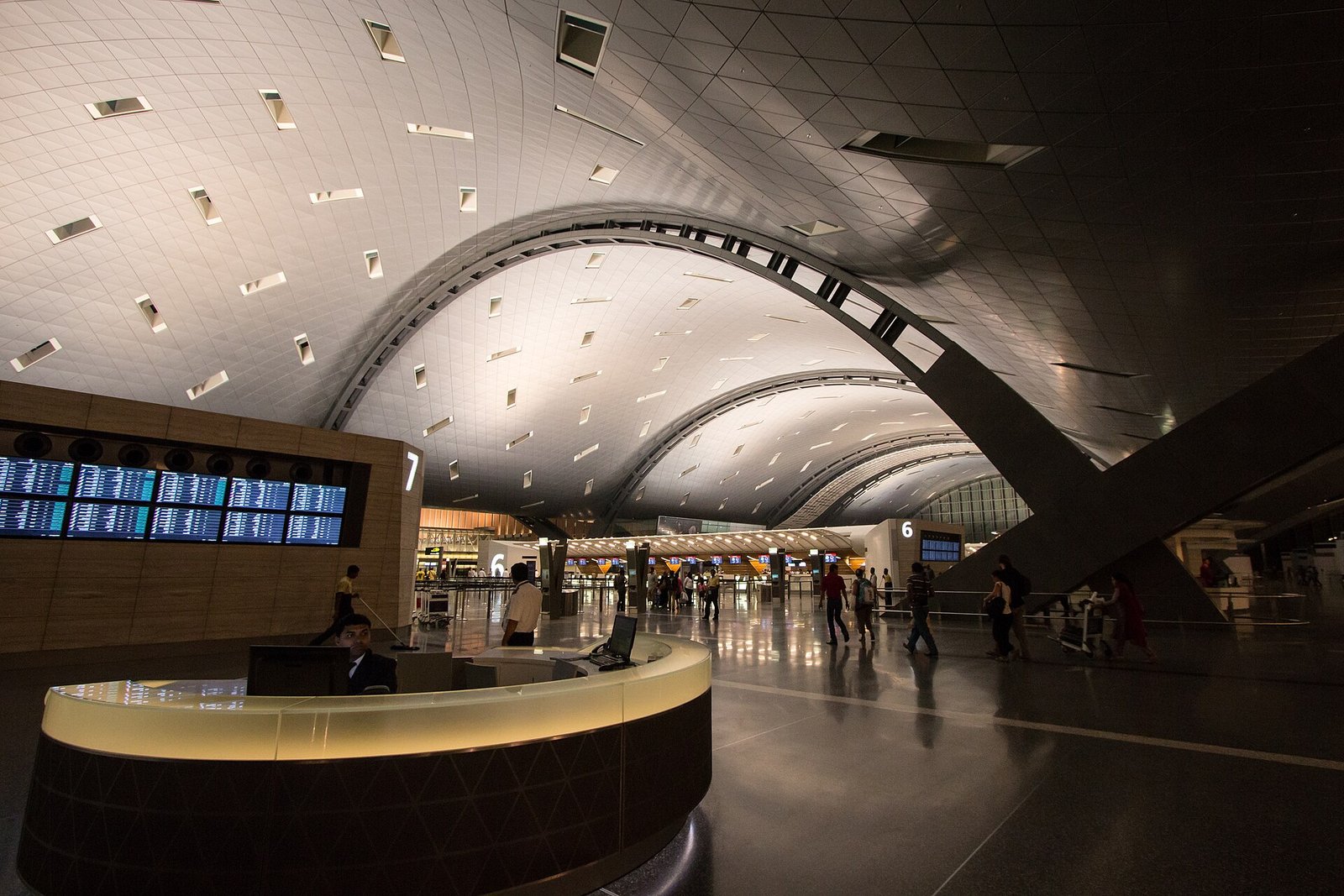
From Hamad International Airport into Doha
The airport has its own metro station on the Red Line, signposted from arrivals. Buy a Standard travel card (the card itself costs QR10), tap in, and ride towards the city: Msheireb is the interchange for Souq Waqif (Gold Line), and the Corniche and West Bay stations are a few stops further north. A standard journey costs QR2 and daily spending is capped at QR6. Qatar Rail runs the metro from 5am to 1am Saturday to Thursday, but only from 9am on Fridays, so on a Friday morning take a Karwa taxi from the rank outside arrivals or book an Uber or Careem.
1-day plan in winter (November to March)
Morning: Souq Waqif and its animal corners. Start with breakfast in the souq, either Qatari dishes at Shay Al Shoomoos or coffee in the courtyard of Athr Café. Walk the lanes before the crowds, then visit the Falcon Souq on the western edge, where the falcon hospital is open Saturday to Thursday from 7am to 2pm, and look in on the horse stables and camel pen. If you like jewellery, the Gold Souq is just east of the market.
Afternoon: the Museum of Islamic Art and MIA Park. Walk or take a short taxi ride along the Corniche to the Museum of Islamic Art. Its own website lists opening from 9am to 7pm on most days, to 9pm on Thursday and from 1.30pm on Friday, and it is closed on Wednesdays. Allow two hours inside, then walk to the tip of the park for Richard Serra’s 7, a 24-metre steel tower facing the West Bay skyline. The park is open 24 hours.
Evening: dhows, sunset and dinner. Across the road from the souq, the dhow harbour has short shared boat rides (roughly QAR 20–25 per person) that are best just before and after sunset. If you have energy left, walk north-east along the Corniche to the murals and container yard of the Old Doha Port and Mina District. Then head back into Souq Waqif for dinner: Yemeni mandi at Bandar Aden is a good first meal in Qatar. Finish, as many locals do, with sweet ginger karak; if you have a car or a taxi, join the late-night queue for chapati and karak at Katara.
1-day plan in summer (May to September)
Turn the day inside out. Start early with a short Corniche, MIA Park or Al Bidda Park walk before 8am, then spend the hot middle of the day indoors: the Museum of Islamic Art (unless it is a Wednesday), the free Msheireb Museums, which are closed on Sundays, and a coffee at NOMAD Coffee in the air-conditioned underpass between Msheireb and Souq Waqif. Go back outside only after about 5.30pm, when the souq fills up and the dhow rides start running. Carry water even for short walks.
Short layover version (6 to 10 hours)
Allow at least an hour each way for immigration, security and transport, and aim to be back at the airport three hours before departure. That leaves a window of three or four hours in town: take the metro to Souq Waqif, walk the market and the Falcon Souq, cross to MIA Park for the view of West Bay, eat in the souq and head back. Skip anything that needs a reservation or a drive. If you would rather not plan anything, a Discover Qatar transit tour handles transport for you.
3 days in Qatar: Doha plus one day trip
Three days is the most popular length of visit, and the right balance is two days in the city and one out of it. Day one is the plan above. Days two and three look like this.
Day 2: Msheireb, the National Museum, Katara and The Pearl
Morning: Msheireb and the National Museum. Have breakfast at Savant Café on Al Kahraba Street, then spend a couple of hours in the four heritage houses of the Msheireb Museums (free; Monday to Thursday and Saturday 9am to 5pm, Friday 3pm to 9pm, closed Sunday). The free Msheireb tram loops the district from 9am to noon and 4pm to 9pm, Saturday to Thursday. From Msheireb, the Gold Line runs to National Museum station. The National Museum of Qatar and its Old Palace are open Saturday to Monday and Wednesday from 9am to 7pm, Thursday to 9pm, Friday from 1.30pm, and closed on Tuesdays. Non-resident adults pay QAR 50; under-16s are free. Allow two to three hours.
Afternoon: Katara. Take a taxi or the Red Line to Katara. Have a late lunch or coffee at Kava Koffee, walk the amphitheatre and beach, and photograph the pigeon towers beside Katara Mosque in the hour before sunset.
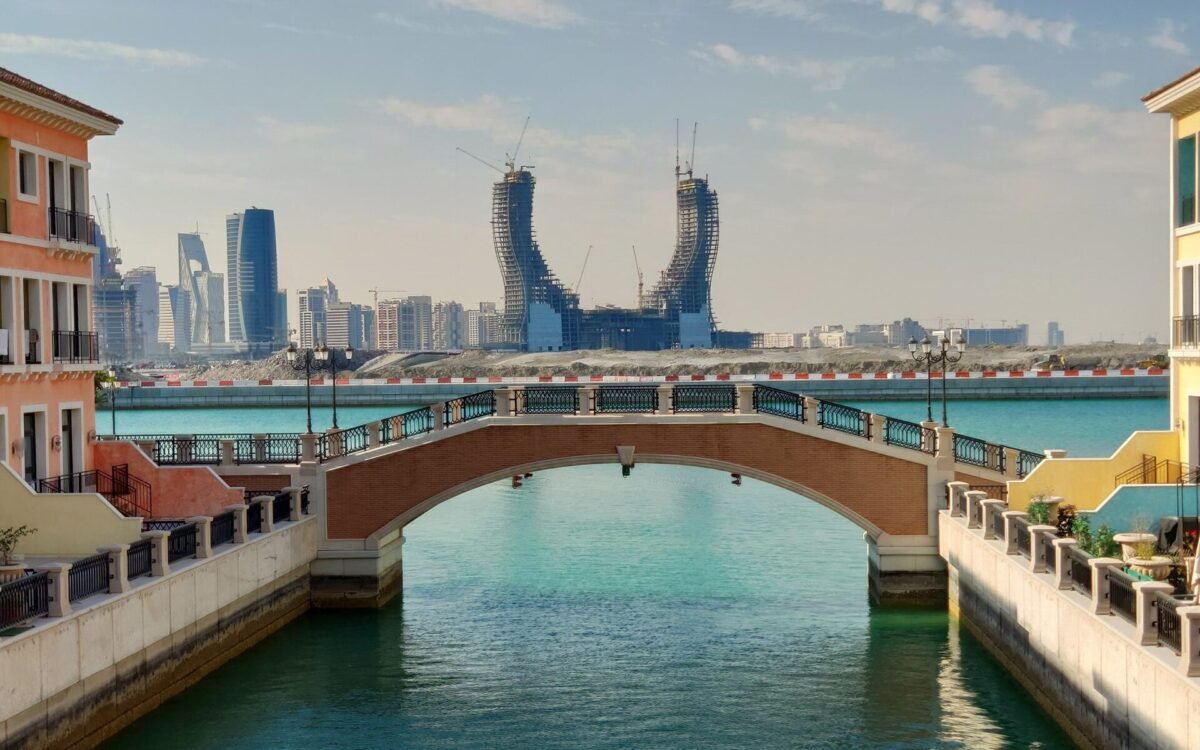
Evening: The Pearl or Lusail. From Katara it is a short ride to The Pearl. Walk the pastel canals of Qanat Quartier as the lights come on, with honey cake at Volume Café or a coffee on the marina at Harvest Coffee. The island’s palace-style Marsa Malaz Kempinski has restaurants open to non-guests. If you prefer skyline views, go north instead to the Lusail Marina Promenade and the 20th-floor Plan B Café.
Summer version: keep the museums for the middle of the day and save Katara and The Pearl for after 6pm. Qatar Museums also runs 3-2-1 Qatar Olympic and Sports Museum at Aspire Zone and the free Lawh Wa Qalam M. F. Husain Museum in Education City, both good indoor options. In Education City, you can also see Louise Bourgeois’s giant spider Maman during public events at the convention centre, Damien Hirst’s The Miraculous Journey outside Sidra Medicine, and, on a weekday morning by arrangement, the stables of Al Shaqab. After dark, Oxygen Park and the cooled outdoor track at Umm Al Seneem Park are pleasant even in summer. Our Qatar with kids guide has more indoor ideas.
Day 3: south to Al Wakrah, the Singing Sand Dunes and Sealine
This is the easiest day trip from Doha that still feels like the desert, and an ordinary car can do all of it on tarmac.
Morning: a slow start, or a desert safari. In winter, have a lazy breakfast at Bayt Sharq, a restored family house off the eastern Corniche known for harees and Qatari breakfasts. If you want the Inland Sea on a three-day trip, this is the day for it: book a half-day desert safari with hotel pick-up. Shared half-day tours run about four hours and were advertised at roughly QAR 215–330 per person when we last compared prices. Morning and afternoon departures are both common; in October, April and May, choose whichever avoids the midday heat.
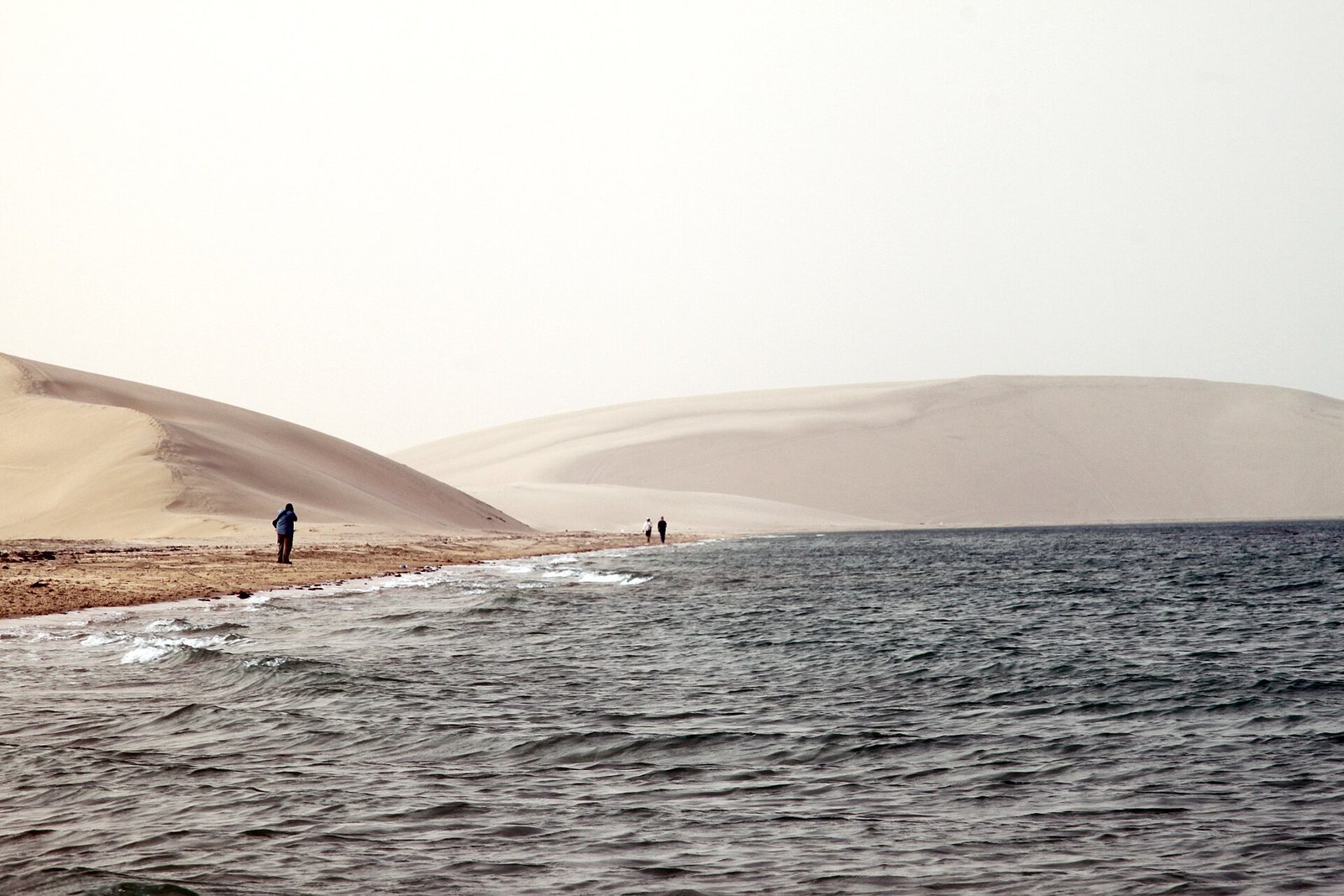
Afternoon: the Singing Sand Dunes and Sealine. Drive about 40 minutes south-west to the Singing Sand Dunes west of Mesaieed. Park on firm ground, climb a crescent dune and slide sand down the steep face; on dry days it can hum. Continue to Sealine Beach, 50–60 km from Doha, where the dunes run down to the sea. It is free, open daily, and has camel rides, quad bikes and buggies for hire near the beach. Keep a normal car on the tarmac: the sand by the shore traps saloons every weekend. For a meal or day use with facilities, Sealine Beach, a Murwab Resort sells day packages.
Evening: Al Wakrah. On the way back, stop at Al Wakrah Souq and Beach, about 25–30 minutes from central Doha. Walk the rebuilt seafront souq as the lights come on and eat grilled fish by the water. Al Wakrah is also on the Red Line (Al Wakra station), so non-drivers can do this part by metro and a short taxi ride.
Summer version: go to the dunes only at sunrise or in the last hour before sunset, and skip the Singing Dunes in humid weather, when damp sand will not sing. Spend the middle of the day back in Doha, or at a resort pool.
Other day-trip choices for day 3
- Families with young children: Al Khor Park and Al Farkiya Beach, under an hour north. See things to do in Al Khor.
- A beach day: a day pass at Banana Island Resort by Anantara, reached by boat from the Corniche (QAR 395 for adults in October 2026, boat out at 10am and back at 5pm). Our best beaches in Qatar guide compares the public options.
5 days in Qatar: add the north and west coasts
Five days lets you leave the city twice more. Days one to three follow the plan above. Days four and five head north and west, on good roads, in a normal hire car. They are long drives, so start early and carry water and snacks: cafés are few once you leave the highway towns.
Day 4: the north-west heritage coast
Drive: about 100 km and 75–90 minutes each way to Al Zubarah, paved all the way. Car: any car. Avoid: Friday mornings, when Al Zubarah opens only at 12.30pm.
Early morning: Umm Salal. Leave Doha by 7.30am on Al Shamal Road. If you like markets, stop at the Umm Salal Central Fish Market at exit 16 while the morning catch is laid out. Nearby, Barzan Towers and Umm Salal Mohammed Fort are closed to visitors, so treat them as quick photo stops from outside.
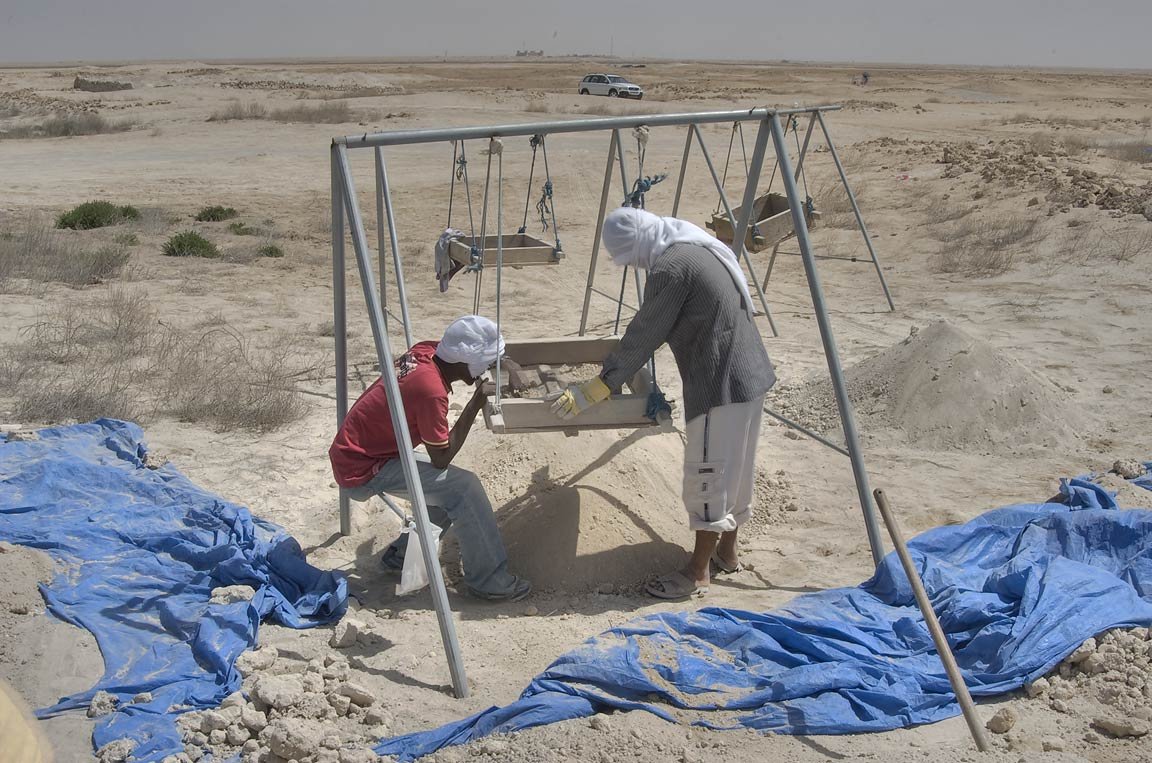
Morning: Al Zubarah. Arrive at Al Zubarah Fort and Archaeological Site at 9am, when it opens (Saturday to Thursday 9am to 5pm, Friday 12.30pm to 5pm). Entry is free, but you need a ticket. Do the fort first and the exposed town site before the heat builds. Allow two to three hours. Just north, Olafur Eliasson’s mirrored discs, Shadows Travelling on the Sea of the Day, stand in the open desert; park by the gate and walk in. History fans can add Freiha, the older town site on the coast (contact Qatar Museums before visiting), and the small Al Thaqab and Al Rakiyat forts inland, which are closed or not open to the public and seen from outside only.
Afternoon: Al Ruwais and the northern tip. Drive north-east to Al Ruwais for lunch in town, then walk the waterfront at Al Ruwais Mosque and Old Port. If you have time, Al Mafjar Beach, just east, has clear shallows and mangroves, and Abu Dhalouf has a seafront park and a restored mosque.
Late afternoon: abandoned villages. On the coast west of Madinat Al Shamal, Al Jumail Abandoned Village is fenced and not open to the public, so you look over the ruins from the edge of the site. The open-air ruins of Al Khuwayr and Al Arish can be walked in daylight. Leave by about 4.30pm to be back in Doha around 6pm.
Where to eat: there is no restaurant at Al Zubarah. Eat in Madinat Al Shamal or Al Ruwais, or pack a picnic. Summer version: be at Al Zubarah at 9am sharp and leave by 11am, then eat lunch inside and drive home in the air-conditioning; skip the villages until a cooler month.
Day 5: the west and the centre
Drive: Al Shahaniya is under an hour west of Doha on Dukhan Highway; Dukhan is about 80 km. Car: any car on the main roads.
Early morning: camels at Al Shahaniya. The Al Shahaniya Camel Racetrack is busiest in the early morning in the racing season, roughly October to February, with the major Emir’s races later in the winter. Race days vary, so check the schedule; outside race days you may still see camels in training. Watching is free. On the way, the four-towered Al Wajbah Fort, about 15 km west of Doha, has no published opening hours, so treat it as a possible photo stop.
Late morning: Sheikh Faisal Museum. At Al Samriya, the eccentric private Sheikh Faisal Bin Qassim Al Thani Museum holds vintage cars, manuscripts, a Damascus house and much more. It opens Monday to Thursday 9am to 5pm, Friday 2pm to 7pm and Saturday 10am to 6pm, and is closed on Sundays. Adult tickets are QAR 50; under-12s are free. Allow about three hours.
Afternoon: Dukhan. Continue west to Dukhan Beach, a free public shore by Qatar’s first oil town with shallow, clear water and sunsets straight over the Gulf. For a longer outing, families can head instead to Umm Bab (Palm Tree Beach) on the south-west coast, about 90 minutes from Doha, which has very few facilities.
Evening: drive back to Doha in time for a late dinner. Our best sunset spots in Qatar guide has other west-facing choices.
Alternative for day 5: if you would rather see wildlife, swap in Al Karaana Lagoon for early-morning birdwatching. If you are in a 4×4, add Dahl Al Misfir Cave near Rawdat Rashed; the cave is closed in rainy periods.
7 days in Qatar: desert overnight, Al Khor and Zekreet
A full week gives you the two experiences most short visits miss: a night in the dunes by the Inland Sea, and the wild west coast around Zekreet. If you are following the week-long plan, keep day three to Al Wakrah, the Singing Sand Dunes and Sealine, and save the Inland Sea for the overnight on day seven.
Day 6: Zekreet, the Mushroom Rocks and Richard Serra
Drive: 80–90 km and 60–90 minutes via Dukhan Highway, then desert tracks. Car: an SUV or 4×4 is strongly advised; the tracks have ruts, rocks and soft sand. Many rental agreements forbid off-road driving, so check yours, or book a guided tour.
Morning: Zekreet Peninsula. Leave Doha around 9am with a full tank and an offline map. The Zekreet Mushroom Rocks are wind-cut limestone pillars scattered across the peninsula. Zekreet Fort, near the village, is temporarily closed by Qatar Museums, so see it from outside. The northern part of the peninsula, with Zekreet Film City and Ras Abrouq and the Al Reem Biosphere Reserve, is gated outside Visit Qatar’s winter Brouq Season, except for resort guests and permitted tours. The 2025–26 season ran from 26 November 2025 to 17 January 2026, with Film City entry at QAR 50 for adults. Dates for 2026–27 had not been confirmed when we checked, so look at Visit Qatar before you go. If the gate is shut, do not drive round it; the southern outcrops are worth the trip on their own.
Midday: shade and lunch. There are no cafés on the open peninsula. Bring a picnic from Doha or Dukhan, or reserve a meal at Our Habitas Ras Abrouq; every visitor there needs a booking to get through the gate.
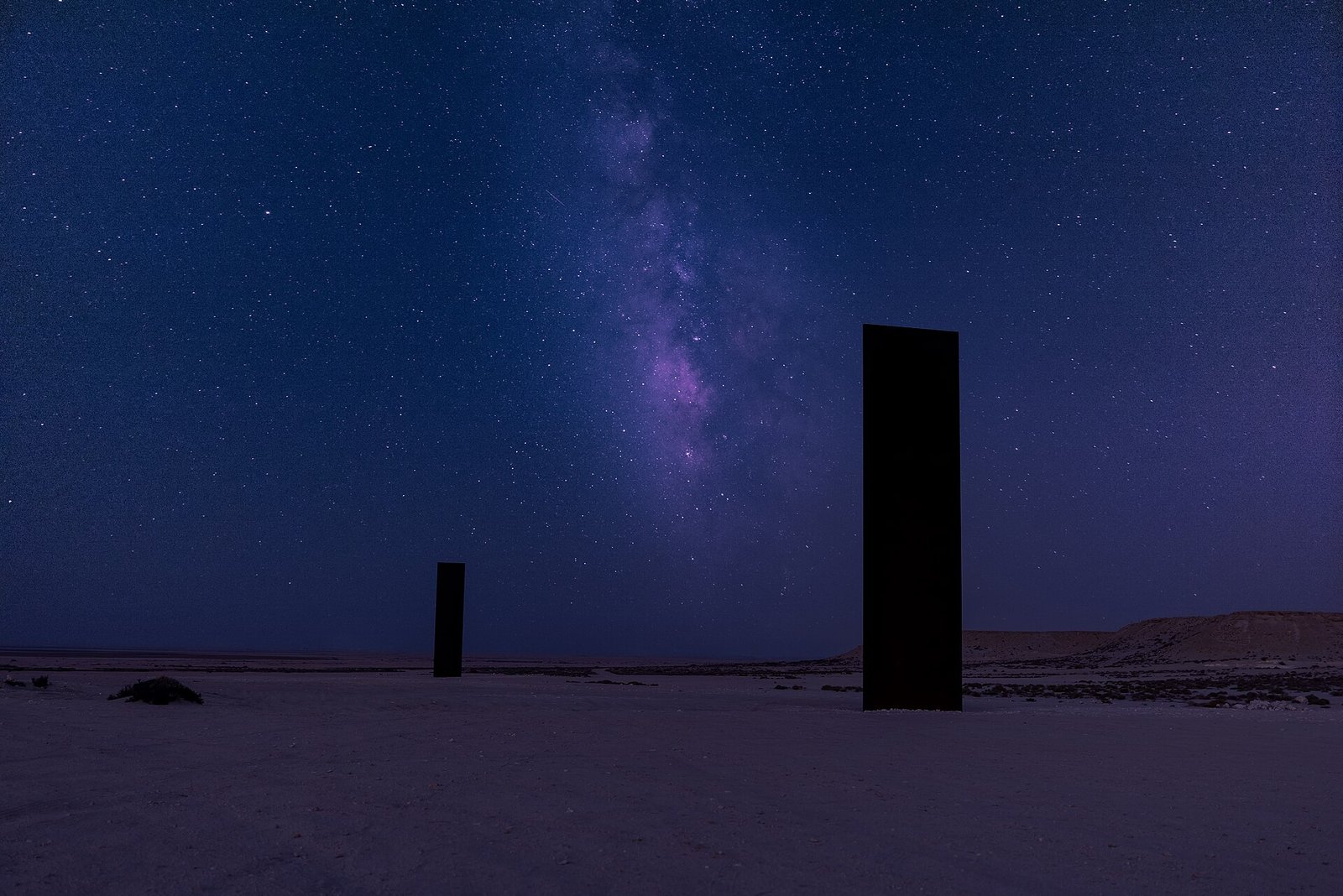
Late afternoon: East-West/West-East. Arrive about 90 minutes before sunset at East-West/West-East, Richard Serra’s four steel plates set in a line more than a kilometre long across the Brouq Nature Reserve. Walk the line as the light turns gold, then leave the tracks before dark. Back in Doha around 6.30 to 7pm.
Summer version: do not attempt this day in the middle of a summer’s day. If you must go between May and September, leave Doha before sunrise, see the rocks and the Serra in the first two hours of daylight, and be back on tarmac by about 9am.
Day 7: Al Khor’s mangroves, then a night at the Inland Sea
Early morning: kayak the mangroves. Drive 45–60 minutes north to Al Thakhira for a guided Al Thakira mangroves kayaking trip. Operators time departures to the tide and charge roughly QAR 100–200; book a day or two ahead and ask for the meeting pin. Afterwards, walk the footbridge to Purple Island, best near high tide, and have lunch in Al Khor town. Our guide to things to do in Al Khor has more stops.
Afternoon: south to the dunes. Head back to Doha by early afternoon for your desert pick-up. The paved road ends at Sealine, about an hour south; from there to Khor Al Adaid, the Inland Sea, is roughly another 40 minutes to an hour over open dunes. Only a capable 4×4 driven by someone experienced in soft sand should attempt it, ideally in convoy. For almost every visitor, a licensed tour operator is the right answer.
Evening and overnight: sleep by the dunes. Sunset over the Inland Sea, a barbecue and a quiet night under the stars are the highlight of a winter trip. Overnight safaris with a camp at the Inland Sea are sold by Doha tour companies, or stay at Regency Sealine Camp, an air-conditioned camp near Sealine with seafront tents, dune drives and camel rides (check-in from 3pm, check-out at noon). Book well ahead for December to February weekends. The official 2025–26 winter camping season ran from 15 October 2025 to 15 April 2026; the 2026–27 season runs from 25 October 2026 to 20 April 2027, as announced by the Ministry of Environment and Climate Change on 1 October 2026, and seasonal camp permits are for Qatari nationals, so visitors use licensed camps or tours. More in our guide to camping in Qatar.
Summer version: skip the overnight. Book an early-morning or evening safari instead, and use the middle of the day for a pool or a museum.
Swaps for days 6 and 7
- North-east beaches instead of Zekreet: Al Ghariya Beach and Fuwairit Beach are 80–100 km north. Fuwairit’s turtle-nesting beach is closed from 1 April to 1 August, and Al Jassasiya Rock Carvings are temporarily closed.
- A farm stay: Heenat Salma Farm, west of Doha, offers farm-to-table meals, workshops and canvas tents by booking.
- A pampering day: Zulal Wellness Resort at Al Ruwais sells a pre-booked day pass (QAR 700 for adults in October 2026), and Hilton Salwa Beach Resort has a waterpark (QAR 150 in October 2026; closed on Mondays from October to December 2026).
- Families: swap the Serra sculpture for Al Khor Park and its zoo (QAR 15 adults, QAR 10 children under 10; Tuesday is for women and children only).
Summer vs winter: how to adapt any itinerary
The same seven days look very different in January and July. In winter you can be outside all day; in summer, outdoor time shrinks to the first hour after sunrise and the hours after sunset. Use this calendar to decide what to keep.
| Months | What it is like | How to plan |
|---|---|---|
| November–February | Warm days, cool nights, short daylight; sunset before 5pm in December | Everything works. Start early, as the best sites are an hour or more from town. Brouq Season and camping are typically in this window. |
| March and October | Hot middays, pleasant mornings and evenings | Shift outdoor plans 30–60 minutes earlier and take a long indoor break at midday. Fuwairit is open in October, and closes on 1 April. |
| April–May | Heating up fast, occasional dust | Mornings and late afternoons only for the desert and beaches. |
| June–September | Extreme heat and humidity | Museums, malls and resorts by day; souqs, Corniche and Katara after dark. No desert driving or long walks in daylight. |
For a season-specific list, see things to do in Qatar in winter. Ramadan changes opening hours across the country, often with later evening openings; check each venue’s current times if you travel during the holy month.
Getting around Qatar
Doha has a modern metro, plentiful taxis and ride-hailing apps. Outside the city, you need a car, a driver or a tour.
Doha Metro
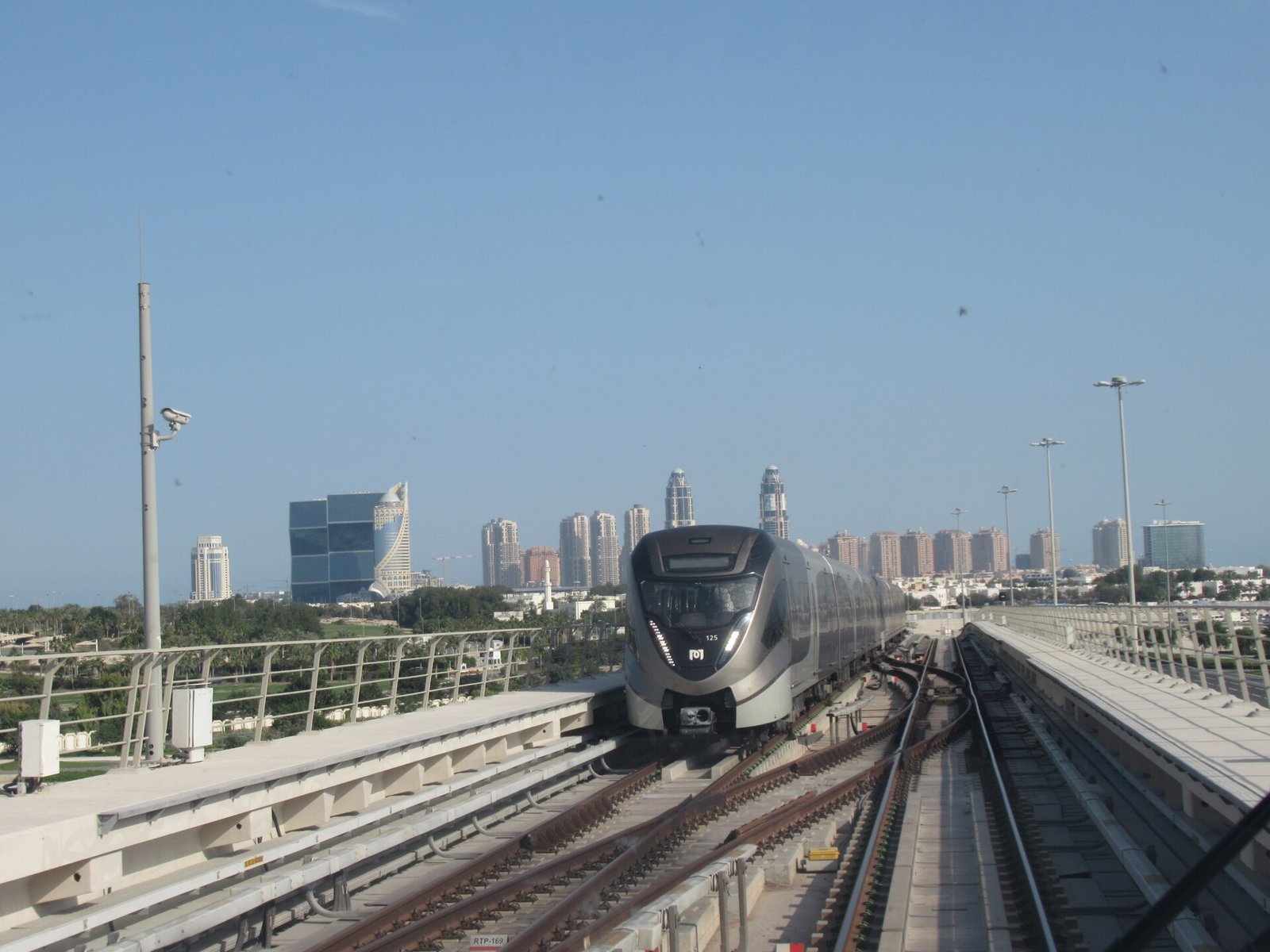
Three lines meet at Msheireb. The Red Line runs from Lusail through Katara, West Bay and the Corniche to Msheireb, then splits for the airport and Al Wakra; the Gold Line serves Souq Waqif and the National Museum; the Green Line runs west to Qatar National Library and Education City. In Standard class a journey costs QR2 with a daily cap of QR6, on a reusable QR10 travel card; Goldclub costs more. Tap in and out every time. Trains run 5am to 1am Saturday to Thursday and 9am to 1am on Friday, with changes during Ramadan. Free Metrolink feeder buses cover the last few kilometres from many stations.
Taxis, Uber and Karwa
Karwa taxis, run by the state transport company Mowasalat, use meters; local guides commonly quote a QR4 starting fare in town, a higher starting fare from the airport and a minimum fare, but check the meter or app before you rely on a figure. Uber and Careem also operate and are often the easiest way to reach Katara, The Pearl and places away from stations. Taxis rarely wait at remote sites, so do not count on a ride back from the north or west.
Car hire and driving licence rules for visitors
A hire car makes days three to seven far easier. According to the Ministry of Interior guidance reported by local outlets in 2026, visitors from outside the GCC holding a licence from an approved country can generally drive on their home licence for up to seven days from arrival; with an International Driving Permit carried alongside the original licence, they can drive for up to six months. Holders of GCC licences can drive for up to three months. Rental desks often ask for both your licence and an IDP anyway, typically set a minimum age of 21, and take a card deposit. Get an IDP at home before you fly.
There are no road tolls. Roads are excellent but fast, so stick to the posted limits. Fill up before you leave Doha, Al Khor, Madinat Al Shamal or Dukhan, and download offline maps: signal and signposting fade in the north and west.
When you need a 4×4 or a tour
| Place | Normal car? | Notes |
|---|---|---|
| Khor Al Adaid (Inland Sea) | No | Experienced 4×4 driver in convoy, or a licensed tour |
| Zekreet, Film City, Ras Abrouq, Serra sculpture | Not advised | SUV or 4×4 on rutted, sandy tracks; northern area gated outside Brouq Season |
| Dahl Al Misfir Cave | No | 4×4 on stony, sandy tracks; closed in rainy periods |
| Sealine Beach, Singing Sand Dunes | Yes, on tarmac | 4×4 only for driving into the dunes |
| Al Zubarah, Al Ruwais, Al Khor, Dukhan | Yes | Paved roads; short dirt tracks at some stops |
| Umm Bab | Yes, to the main beach | 4×4 with lowered tyres for driving along the shore |
Where to eat along the way
Doha is easy; the countryside is not. Plan meals around towns, and pack food for the north and west.
- Qatari breakfast: Shay Al Shoomoos in Souq Waqif and Bayt Sharq off the Corniche.
- Cheap and legendary: hummus and fuul at Beirut Restaurant, shawarma at Turkey Central, mandi at Bandar Aden.
- Coffee stops: Savant and NOMAD in Msheireb, Kava Koffee at Katara, Harvest and Volume at The Pearl, Plan B in Lusail.
- Seafood: Al Wakrah’s seafront souq, or buy at the Umm Salal fish market.
- Out of town: Al Khor, Madinat Al Shamal, Al Ruwais and Dukhan have local restaurants and cafeterias. There is nothing at Al Zubarah, Zekreet, the Serra sculpture or the Inland Sea unless a tour or camp provides it.
Budget notes
Qatar has a reputation for being expensive, and hotels and resorts can be. Sightseeing need not be. Many of the best stops cost nothing: Souq Waqif, MIA Park, the Corniche, Katara, Qanat Quartier, the Msheireb Museums, Al Zubarah, the abandoned villages, the Serra sculptures and every public beach in these plans. Our guide to free things to do in Qatar lists more.
| Item | Typical cost (checked October 2026) |
|---|---|
| Metro day (Standard class) | QR6 maximum, plus QR10 for the card |
| National Museum of Qatar, 3-2-1 museum | QAR 25 (National Museum) or QAR 50 (3-2-1) for non-resident adults; under-16s free |
| Sheikh Faisal Museum | QAR 50 adults; under-12s free |
| Dhow ride on the Corniche | About QAR 20–25 per person (shared) |
| Shared half-day desert safari | About QAR 215–330 per person |
| Mangrove kayak tour | About QAR 100–200 per person |
| Al Khor Park | QAR 15 adults, QAR 10 children under 10 |
| Banana Island day pass | QAR 395 adults |
The biggest variable is transport. A few days of hire car costs far less than private drivers, but a tour is cheaper than wrecking a rental in the sand. Alcohol is served only in licensed venues, mostly hotels, and is expensive.
Closures and seasonal rules to check before you go
Several places on these routes have closures that catch visitors out. This was the position at the start of October 2026:
- Fuwairit Beach: the hawksbill turtle nesting beach is closed every year from 1 April to 1 August. Never drive on the sand.
- Simaisma Beach: closed since June 2025 for redevelopment; the town is only a brief stop.
- Zekreet Fort, Al Jassasiya, Al Rakiyat, Barzan Towers: listed as temporarily closed. Al Thaqab Fort and Umm Salal Mohammed Fort are not open to visitors.
- Al Jumail: fenced and not open to the public; view it from outside.
- Al Zubarah: closes at 5pm, and opens only at 12.30pm on Fridays.
- Northern Zekreet Peninsula: gated outside Brouq Season, apart from resort guests and permitted tours. 2026–27 Brouq dates were not confirmed when we checked.
- Winter camping: the Ministry of Environment and Climate Change’s 2026–27 season runs from 25 October 2026 to 20 April 2027, with registration from 11 to 21 October 2026.
- Weekly closures: the Museum of Islamic Art closes on Wednesdays, the National Museum of Qatar and 3-2-1 on Tuesdays, Sheikh Faisal Museum and the Msheireb Museums on Sundays, and Lawh Wa Qalam on Mondays.
- Family days: Al Khor Park is for women and children on Tuesdays, Al Farkiya Beach on Sundays and Wednesdays.
Etiquette, safety and what to pack
Rules and etiquette
- Dress: cover shoulders and knees in souqs, museums, villages and near mosques. Swimwear belongs on the beach or by the pool.
- No alcohol in public, including on beaches and in the desert.
- Photography: ask before photographing people, particularly women, and do not fly drones without permission.
- Heritage and wildlife: do not climb walls, fences or artworks, take pottery or stones, or chase oryx and gazelles.
- Leave no trace: take all rubbish home, including barbecue charcoal; bins are rare outside town.
Heat and safety
- Carry at least 1.5 litres of water per person for any trip out of town, more from April to October.
- Be back on tarmac by sunset. Desert tracks are hard to read in the dark.
- Do not drive into sand in a normal car or in a rental that bans off-roading.
- For sand driving, travel with a second vehicle, a compressor, a shovel and recovery straps, and tell someone your plan.
- Pack a hat, sunscreen, closed shoes, a scarf for mosques, a power bank and a light jacket for winter desert evenings.
- In an emergency, call 999.
Mistakes to avoid
- Overpacking the city days. Doha’s sights are spread out and the heat tires you faster than you expect. Three big stops a day is plenty.
- Planning a Friday morning museum or Al Zubarah visit. Many places open after midday prayers, and the metro starts at 9am.
- Arriving at a museum on its closing day. MIA closes on Wednesdays, the National Museum on Tuesdays.
- Starting a desert day too late. In December the light goes before 5pm, and the best places are an hour or more from town.
- Driving a saloon onto soft sand at Sealine or Umm Bab, or taking a rental off-road against the contract.
Frequently asked questions
How many days do you need in Qatar?
Three days covers Doha’s highlights and one trip into the desert or to the coast. Five days adds the UNESCO site at Al Zubarah and the west, and a week lets you add a night at the Inland Sea, the Al Thakira mangroves and the Zekreet Peninsula without rushing.
Can I visit Doha on a layover?
Yes, if your nationality allows entry and you have enough time. Many nationalities enter visa-free; others may be eligible for a transit visa for Qatar Airways layovers of at least six hours, arranged through Discover Qatar. With six to ten hours, take the metro from the airport to Souq Waqif and MIA Park and come back with three hours to spare. Always confirm current rules with Qatar Airways or Hayya.
Do I need a car in Qatar?
Not in Doha, where the metro, taxis and ride-hailing apps cover the main sights. For the north, the west and the desert, you need a hire car, a private driver or a tour. Taxis rarely wait at remote sites.
Can tourists drive in Qatar with a foreign licence?
Generally yes. Visitors from outside the GCC with a licence from an approved country can usually drive for up to seven days from arrival, or up to six months with an International Driving Permit carried with the original licence. Rental companies often ask for both, so bring an IDP.
Do I need a 4×4 to see Qatar?
Only for some places. Al Zubarah, Al Ruwais, Al Khor, Sealine Beach, the Singing Sand Dunes and Dukhan are fine in a normal car. The Inland Sea and Dahl Al Misfir need a 4×4, and an SUV or 4×4 is strongly advised on the Zekreet Peninsula. For the Inland Sea, most visitors book a tour.
What is the best month to visit Qatar?
December to February is coolest, with comfortable days and cool desert nights. November and March are also good if you start early. From June to September the heat limits outdoor sightseeing to the edges of the day.
Is Qatar expensive for tourists?
Hotels and resort day passes can be, but much of the sightseeing is free, including Souq Waqif, MIA Park, Katara, the Msheireb Museums, Al Zubarah and the public beaches. The metro costs at most QR6 a day in Standard class.
Last checked October 2026. Rules, fees and access can change, so confirm with the official source before you go.